


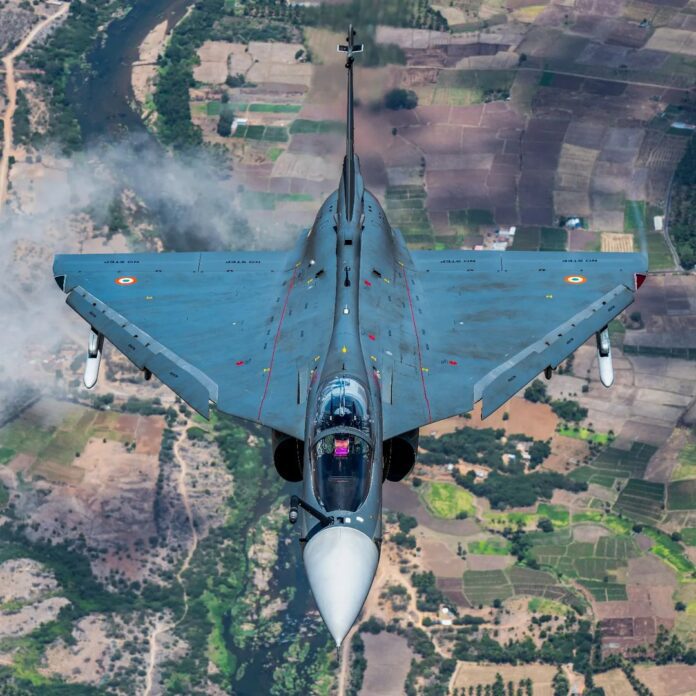
Tejas Fleet Grounded
India’s indigenous fighter jet LCA Tejas has once again come into the spotlight after the Indian Air Force (IAF) has temporarily grounded its entire fleet. This decision came after one Tejas aircraft overshot the runway at a frontline airbase during a training sortie earlier in February 2026. The step has been taken as a precaution to ensure flight safety and to carry out detailed technical checks. This development is important not just for the IAF but also for India’s long-term defence modernisation and the future of the indigenous aerospace industry.
What Exactly Happened?
According to reports, the Tejas aircraft suffered damage after it overshot the runway, possibly due to a suspected brake failure. The pilot ejected safely, which highlights the effectiveness of the aircraft’s safety systems.
Following the incident, the IAF grounded around 30 single-seat Tejas jets so that engineers and technical teams can check whether the issue is limited to one aircraft or if it indicates a larger technical concern. However, HAL (Hindustan Aeronautics Limited) has clarified that there was no crash and described the event as a minor technical issue on the ground, showing a difference in how the incident is being interpreted.
Why Grounding the Entire Fleet?
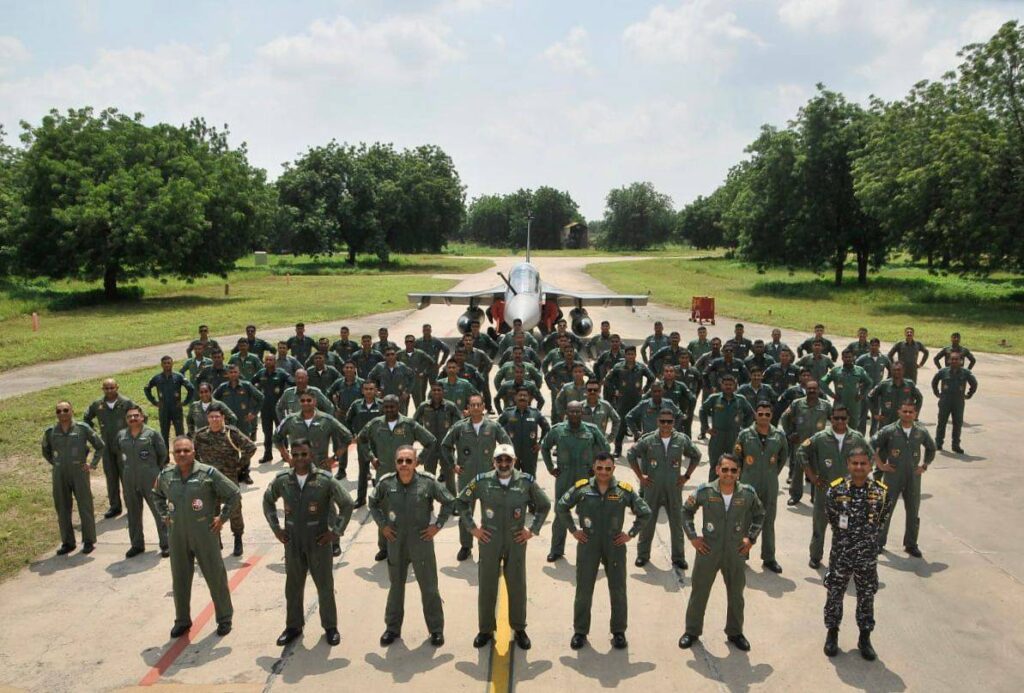
Grounding an aircraft fleet may sound alarming, but in military aviation it is a normal and responsible safety procedure.
The main reasons are to identify any system-wide technical fault, to prevent future accidents, to ensure pilot safety and to maintain operational reliability.
This does not mean the aircraft is unsafe, but rather that the air force is following strict safety protocols.

Is This the First Tejas Incident?
This is not the first time the Tejas programme has faced scrutiny. In recent years:
A Tejas crashed near Jaisalmer in 2024.
Another Tejas was lost during an air show in 2025.
The current runway overshoot happened in February 2026.
So this becomes the third major incident in about two years, which is why the technical review is being taken seriously.
What Happens Next?
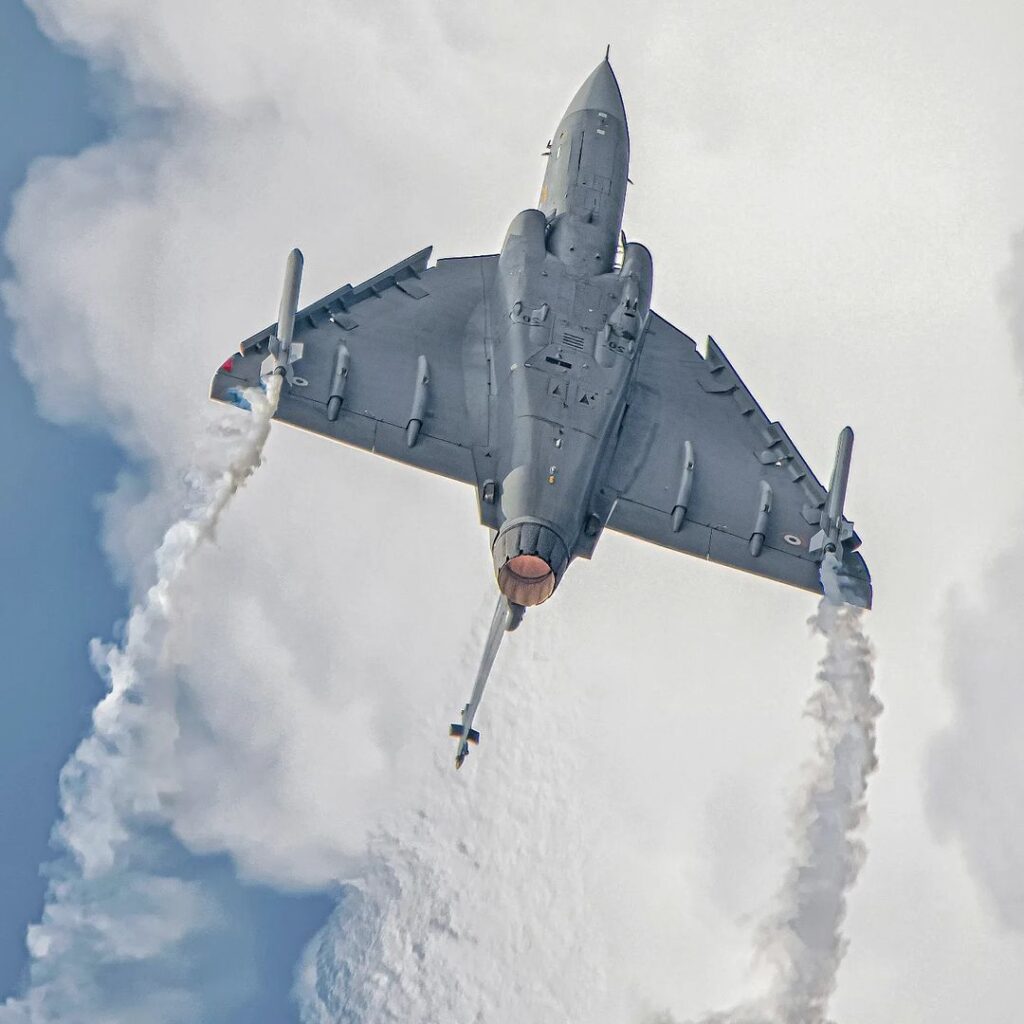
The grounding is temporary. The likely next steps are:
Detailed technical inspection of all aircraft
Identification of the root cause
Necessary repairs or modifications
Gradual return to flying operationsHAL and the IAF are working together to resolve the issue quickly.
The IAF’s decision to ground the Tejas fleet is a precautionary and professional safety measure, not a crisis. The pilot is safe, the issue is under investigation, and HAL has already reassured that there was no crash. Tejas continues to be the backbone of India’s indigenous fighter programme, and this temporary pause will help make it even more dependable for future operations.


 Order Now on Amazon