


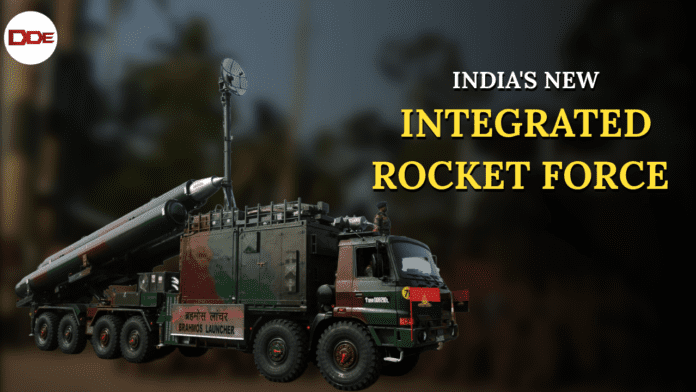
Integrated Rocket Force
India’s security challenges are rapidly changing. Modern wars are no longer fought only by soldiers at borders they are increasingly decided by missiles, drones, cyber systems, and long-range precision strikes. To prepare for future conflicts, India is planning a major military reform known as the Integrated Rocket Force (IRF).
This proposed force will completely transform how India fights wars by strengthening its missile warfare and long-range strike capability. Let us understand what the Integrated Rocket Force is, why India needs it, and how it will shape future warfare.
What Is the Integrated Rocket Force (IRF)?
The Integrated Rocket Force (IRF) is a proposed tri-service command that will bring together missile and rocket units of the:
- Indian Army
- Indian Air Force
- Indian Navy
Under one unified command.
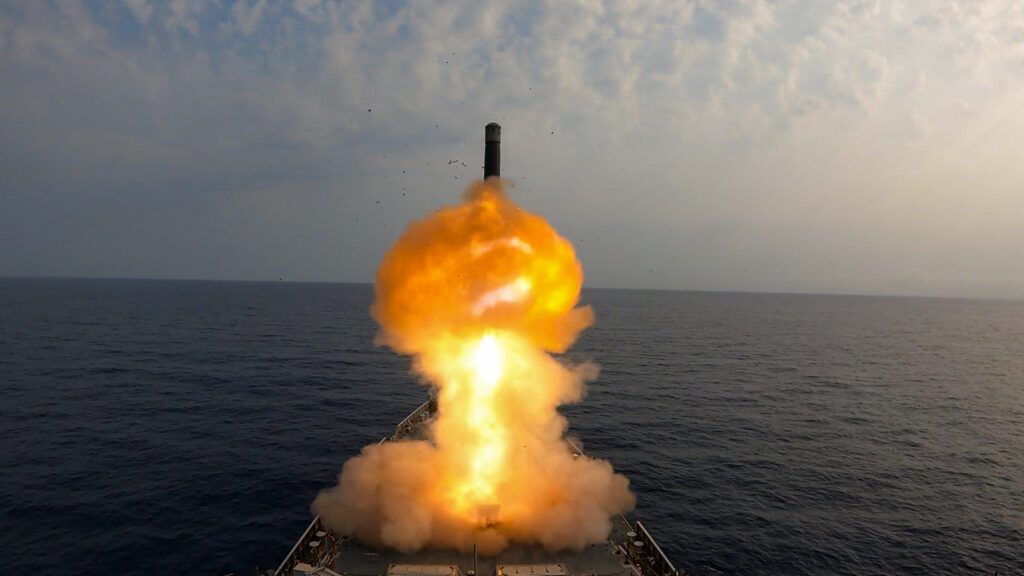
At present, each service operates its own missile systems separately. This leads to:
- Duplication of resources
- Slower decision-making
- Lack of coordination in large-scale conflicts
The IRF will solve this problem by creating a single specialized force responsible for conventional missile warfare.
Its main task will be to conduct:
- Long-range precision strikes
- Deep-strike missions inside enemy territory
- Rapid missile-based retaliation.
This means India can respond faster and more effectively in any future conflict.
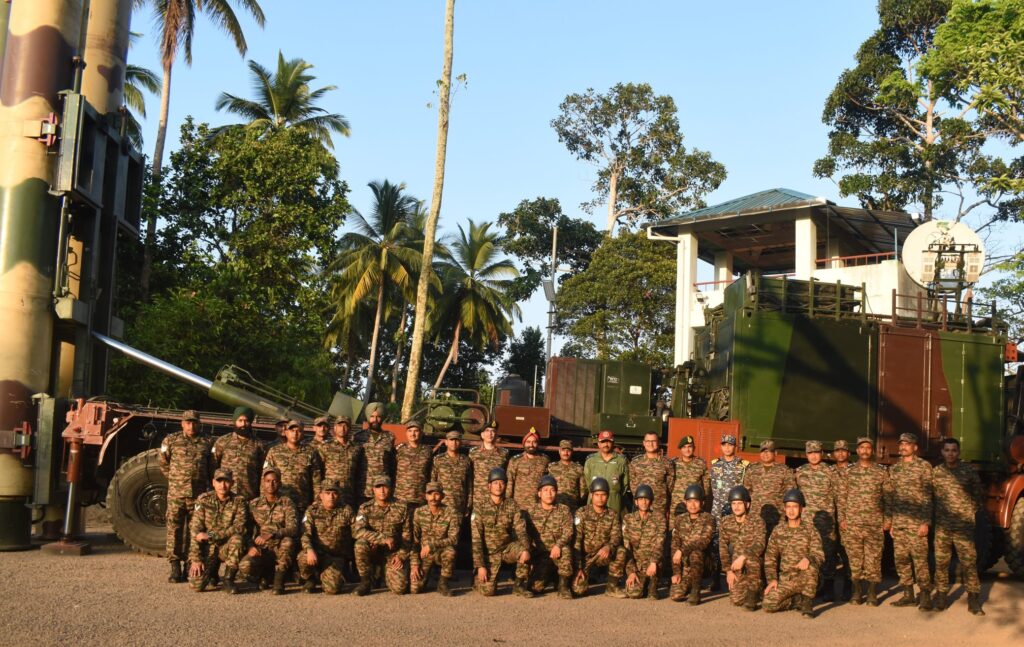
Why Does India Need an Integrated Rocket Force?
Future wars will be short, fast, and technology-driven. Therefore, instead of sending large numbers of troops across borders, countries now focus on:
- Destroying enemy airbases, radar stations, logistics hubs
- Targeting command centers and communication networks
- Crippling infrastructure using precision missiles
China already has the PLA Rocket Force, a powerful missile command that plays a central role in its military strategy. To maintain strategic balance, India must develop a similar capability.
The IRF will allow India to:
- Deter enemies through strong missile power
- Conduct precision strikes without full-scale war
- Reduce casualties by using stand-off weapons
Key Weapons Under the Integrated Rocket Force
The IRF will control some of India’s most advanced missile and rocket systems. These weapons are designed for speed, accuracy, and long-range destruction.
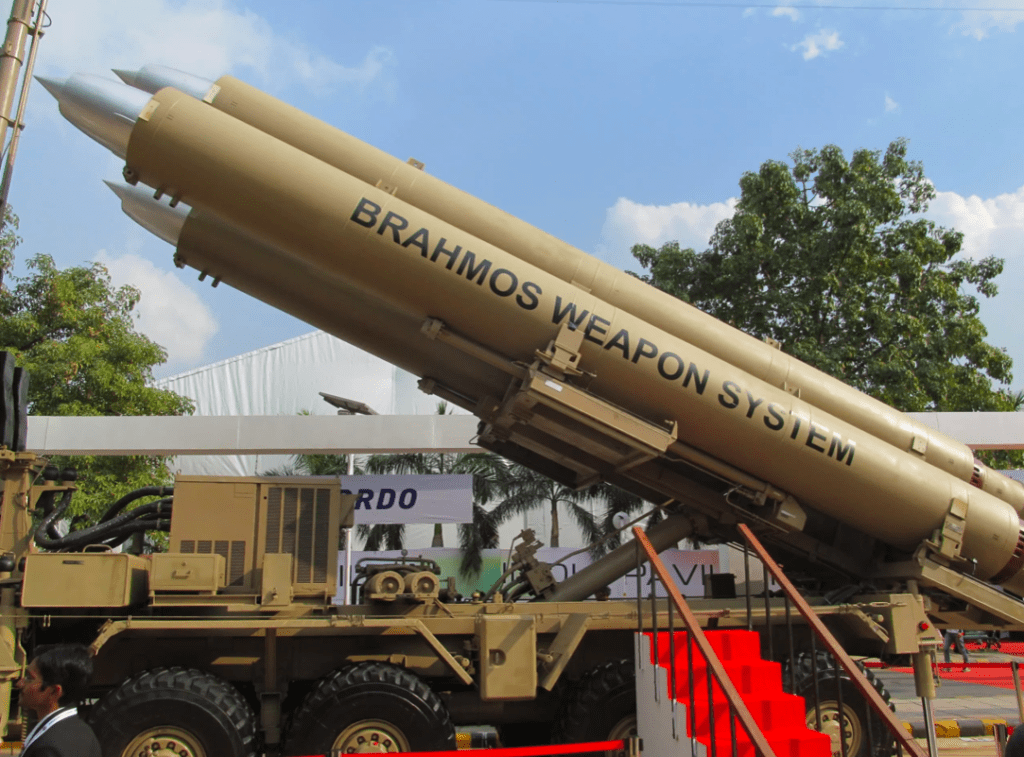
1. Role of BrahMos Missile in IRF:
BrahMos is one of the fastest cruise missiles in the world, capable of being launched from land, sea, air, and submarines.
Its main role in the IRF is to destroy high-value targets like enemy airbases, warships, and radar stations with great speed and accuracy. Due to its supersonic speed, BrahMos is extremely difficult for enemy defences to intercept.
2. Role of Pralay Missile in IRF
Pralay is a short-range tactical ballistic missile designed for battlefield use.
It will be used to strike enemy troop bases, forward airfields, and military infrastructure during limited wars. Pralay strengthens India’s ability to conduct quick and powerful conventional strikes without crossing nuclear thresholds.
3. Role of Nirbhay Missile in IRF
Nirbhay is a long-range subsonic cruise missile capable of flying at very low altitudes to avoid detection.
In the IRF, it will carry out deep strikes inside enemy territory by targeting strategic installations and communication networks. Its long range allows India to hit critical targets without exposing troops.
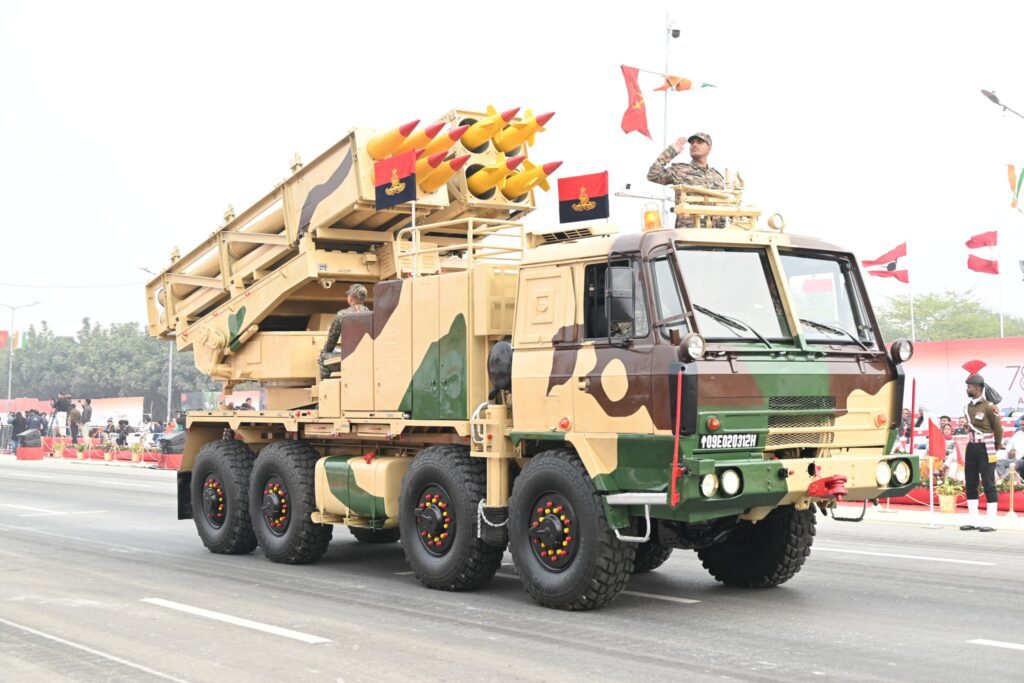
4. Role of Multi Barrel Rocket Launchers in IRF
India’s Pinaka rocket systems provide massive firepower over short and medium ranges.
These rocket launchers will form the first layer of strike capability by neutralizing enemy positions near the border.They support ground forces by delivering rapid and intense firepower in the early stages of conflict.
How IRF Will Change Non-Contact Warfare
The Integrated Rocket Force will make future wars faster and more technology-driven.
With all missile forces under one command, India can take quicker decisions and launch rapid precision strikes.This reduces the need for large troop movements and lowers battlefield casualties.



 Order Now on Amazon


Your feedback image was misleading, it’s looking like a fraud. Because the final result of CDS – I 2025 released on 08th of January 2026, so how can someone message you on 30th December 2025 that he/she got AIR 146 in OTA?
Please verify facts before making such allegations. The CDS (I) 2025 OTA merit list was officially published by UPSC on 29 December 2025, while the marks of recommended candidates were released later on 08 January 2026.
The feedback message dated 30 December 2025 refers to the merit list position (AIR), not the marks. Hence, there is nothing misleading or fraudulent about it and your claim of “fraud” only exposes a lack of basic understanding of UPSC timelines.