

Prepare For SSB Interview
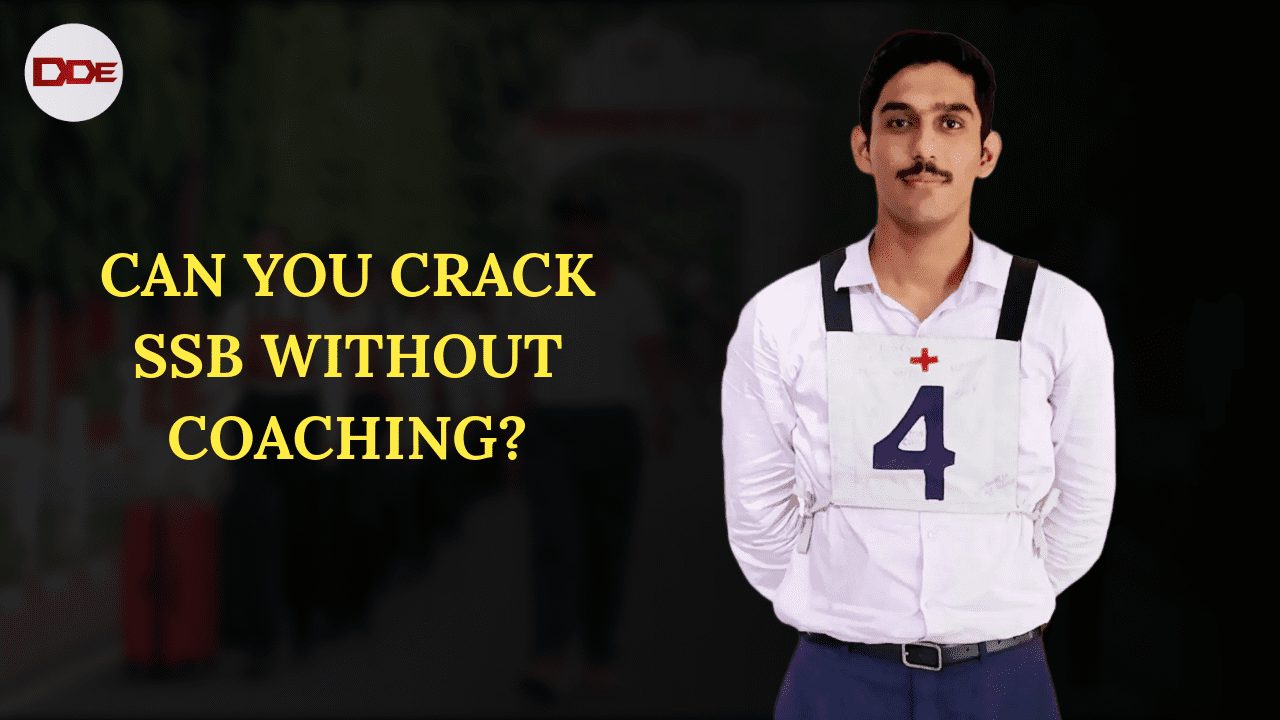
The Services Selection Board (SSB) Interview is a unique selection process conducted for candidates aspiring to join the Indian Armed Forces as officers. Unlike written examinations, SSB evaluates personality, behaviour, leadership potential, and officer-like qualities over a period of five days. Many aspirants assume that joining coaching institutes is necessary to succeed, but with the right understanding and disciplined approach, effective SSB preparation can be done at home. This blog explains a structured and practical way to prepare for the SSB interview from home without missing any important aspect of the selection process.
Understanding the SSB Interview First
Before beginning preparation, it is essential to understand what SSB actually evaluates. The selection process is designed to assess Officer Like Qualities (OLQs), which include intelligence, communication skills, leadership ability, social adaptability, responsibility, initiative, and emotional stability. Assessors observe candidates continuously rather than judging them through a single test. Therefore, preparation should focus on improving overall personality, thinking pattern, and behaviour instead of memorizing answers or attempting to act artificially confident. When candidates understand that SSB is a personality assessment rather than a knowledge exam, their preparation becomes more meaningful and effective.
Know the Complete SSB Process
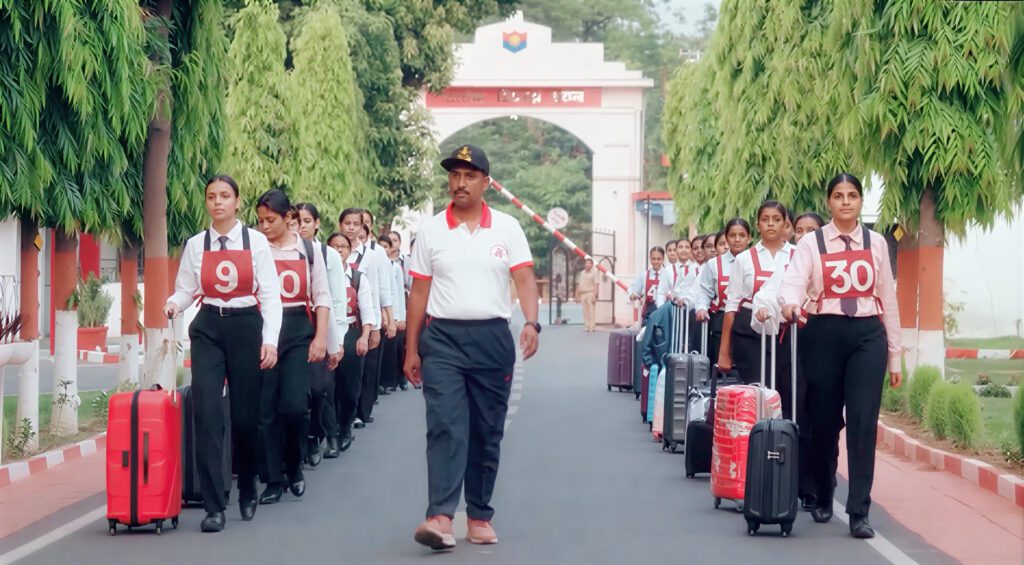
The SSB interview is conducted in two stages spread across five days, and understanding this structure helps candidates plan preparation systematically at home. Stage 1 consists of the Screening Test, which includes the Officer Intelligence Rating (OIR) test and the Picture Perception and Discussion Test (PPDT). Only candidates who clear this stage remain for further assessment. Stage 2 includes psychological tests, group testing officer (GTO) tasks, personal interviews, and the final conference. Each activity evaluates different aspects of personality, and success depends on consistent performance throughout the process rather than excellence in just one test.
Step 1: Build Daily Awareness
General awareness plays a crucial role in SSB performance because officers are expected to remain informed about national and global developments. Preparing at home should begin with developing the habit of reading newspapers daily for at least twenty to thirty minutes. Candidates should focus on defence news, national issues, international relations, and important government initiatives. Reading alone is not enough; speaking about news topics aloud helps improve clarity of thought and communication skills. Maintaining a notebook for important events further strengthens retention and analytical thinking, which proves useful during group discussions and personal interviews.
Step 2: Prepare for OIR at Home
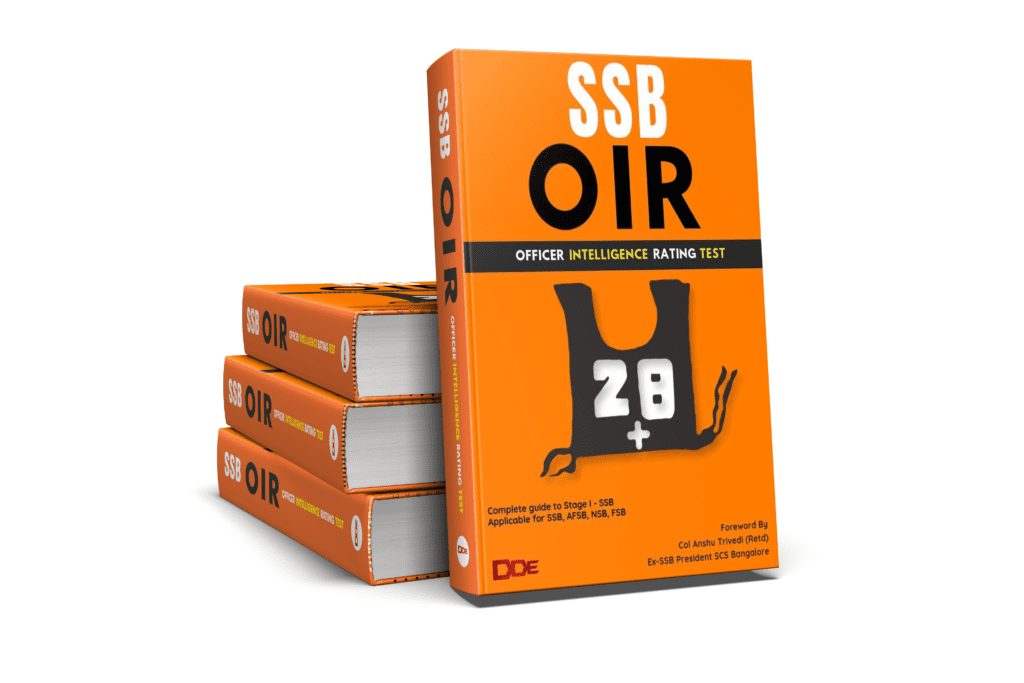
The Officer Intelligence Rating test evaluates logical reasoning ability, observation skills, and mental speed. Preparing for OIR at home is straightforward if candidates practice consistently. Daily practice of verbal and non-verbal reasoning questions helps improve accuracy and confidence. Initially, candidates should focus on understanding question patterns rather than solving questions quickly. Once accuracy improves, timed practice sessions should be introduced to enhance speed. Reviewing mistakes after each practice session is essential because improvement comes from analysing errors rather than solving large quantities of questions without reflection.
Step 3: Master PPDT Practice Without Coaching
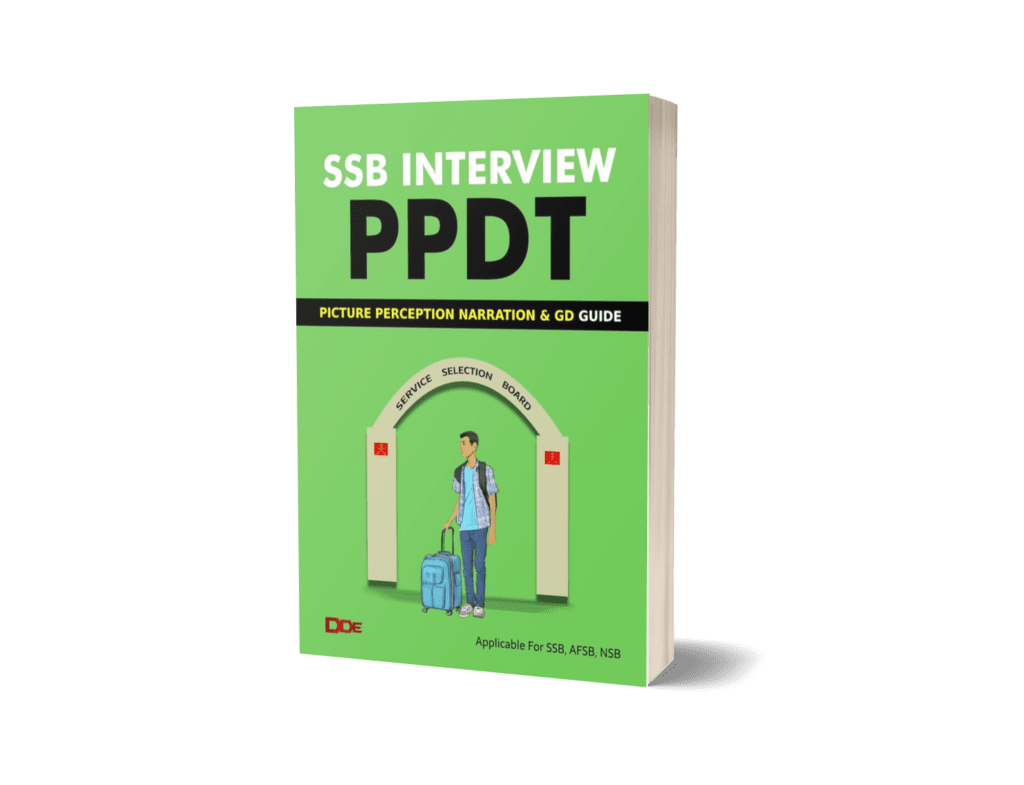
The Picture Perception and Discussion Test assesses imagination, observation, communication skills, and group behaviour simultaneously. Candidates can effectively prepare for PPDT at home by practicing story writing using random images from newspapers or online sources. After observing an image briefly, candidates should write a logical and realistic story that includes characters, a situation, a problem, and a positive outcome. Narrating the story aloud within one minute improves confidence and expression. Regular speaking practice also helps candidates organise thoughts quickly during group discussions. The focus should remain on clarity, cooperation, and realistic thinking rather than creating dramatic or heroic stories.
Step 4: Psychology Tests Preparation
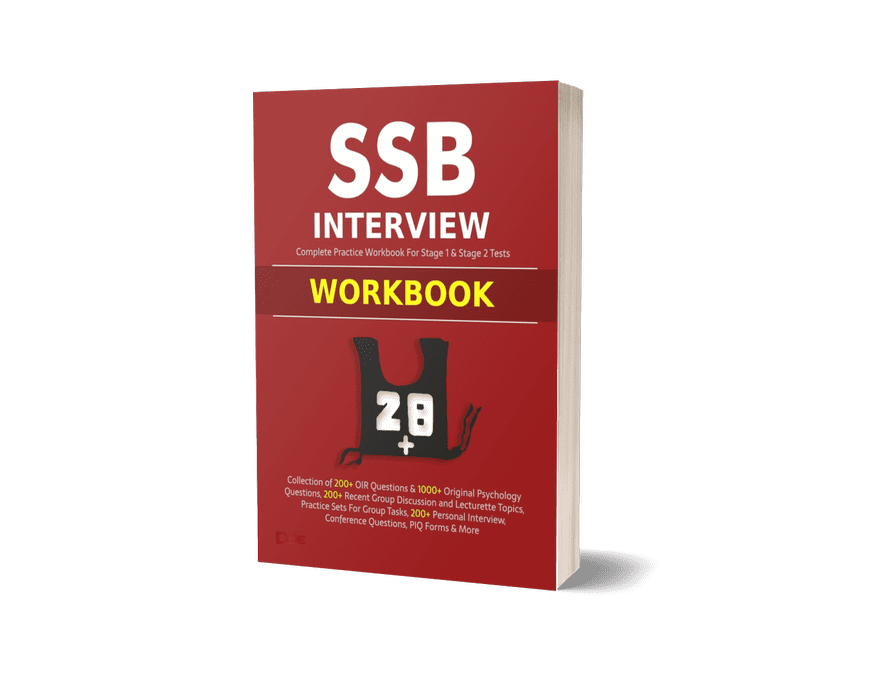
Psychology tests form the core of SSB assessment because they reveal a candidate’s natural thinking pattern and personality traits. Preparation at home should aim at developing positive, practical thinking rather than memorizing responses. In the Thematic Apperception Test (TAT), candidates should practice writing simple stories showing responsibility and problem-solving ability. For the Word Association Test (WAT), daily practice with random words helps develop spontaneous positive responses. Situation Reaction Test (SRT) preparation involves solving real-life scenarios logically and briefly. Self Description (SD) requires honest self-analysis, where candidates reflect on how they are perceived by parents, teachers, friends, and themselves. Regular introspection gradually improves authenticity in responses.
Step 5: Prepare for GTO Tasks at Home
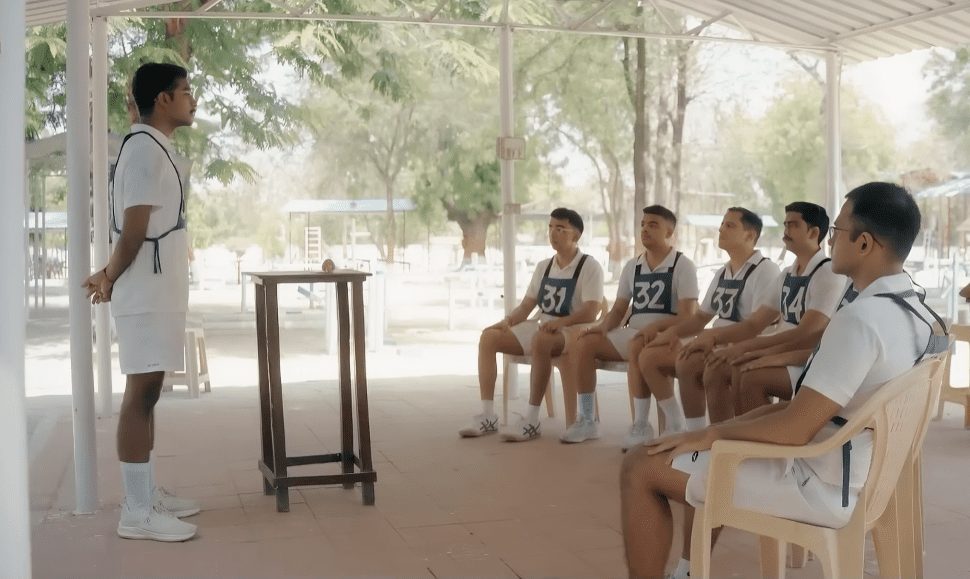
Although GTO tasks are conducted in groups outdoors, several aspects can still be prepared at home. Candidates should work on physical fitness through regular exercise to build stamina and confidence. Equally important is improving communication and teamwork mindset. Practicing lecturette topics daily helps develop structured thinking and public speaking ability. Candidates can also imagine group planning situations and explain solutions aloud to enhance clarity and logical reasoning. The key understanding is that GTO tasks assess cooperation and leadership through participation, not aggression or dominance.
Step 6: Personal Interview Preparation
The personal interview is a structured yet friendly interaction aimed at understanding a candidate’s background, personality, and motivation. Preparation at home should focus on self-awareness rather than memorizing model answers. Candidates must clearly understand their educational journey, strengths, weaknesses, hobbies, achievements, and career goals. Since most interview questions are based on the Personal Information Questionnaire (PIQ) form, honesty and consistency are extremely important. Practicing mock interviews by recording responses helps identify areas needing improvement, such as hesitation, unclear answers, or lack of confidence.
Step 7: Improve Communication Skills Daily
Effective communication is essential for success in SSB, but fluency in English is not mandatory. Assessors value clarity of expression and confidence more than language complexity. Candidates preparing at home should develop the habit of speaking daily on random topics for two to three minutes. Reading newspaper articles aloud improves pronunciation and flow of speech. Recording practice sessions allows candidates to evaluate body language and clarity objectively. Over time, regular speaking practice naturally reduces hesitation and builds confidence required during discussions and interviews.
Step 8: Develop Officer-Like Lifestyle Habits
SSB preparation is not limited to test practice. it involves gradual personality development through daily habits. Candidates should cultivate discipline by maintaining a consistent routine, exercising regularly, and taking responsibility in daily life situations. Participating in social or group activities improves adaptability and teamwork skills. Making independent decisions and reflecting on outcomes strengthens confidence and maturity. When such habits become part of everyday life, officer-like qualities begin to appear naturally rather than artificially during assessment.
Sample Daily Home Preparation Schedule
A structured daily routine helps maintain consistency and balanced preparation. Morning time can be used for physical exercise and newspaper reading to energize both body and mind. Afternoon sessions may focus on OIR practice and psychology test preparation, while evenings can be dedicated to PPDT story narration and lecturette practice. At night, candidates should spend a few minutes reflecting on their day and writing observations in a diary. Such consistent preparation over two to three months significantly improves overall personality and readiness for SSB.
Common Mistakes to Avoid
Many candidates fail at SSB not because of lack of ability but due to incorrect preparation methods. Copying coaching institute answers or memorizing psychological responses creates artificial behaviour that assessors easily identify. Overconfidence, aggression during discussions, and neglecting physical fitness also negatively impact performance. Another common mistake is lack of self-awareness, where candidates fail to understand their own strengths and weaknesses. Avoiding these errors ensures preparation remains genuine and aligned with SSB expectations.