



Why Aspirants Fail In Defence Exam
Every year, lakhs of defence aspirants appear for written exams like NDA, CDS, and AFCAT. Many of them work hard, study for months, and still fail to clear the cut-off. This often leads to frustration and self-doubt. The truth is that most aspirants do not fail because they are weak or incapable. They fail because of common and avoidable mistakes in preparation and exam strategy.
Understanding these reasons clearly can help aspirants change their approach and improve their chances of success.
Lack of a Clear Study Plan
One of the biggest reasons aspirants fail is the absence of a proper study plan. Many start preparing with enthusiasm but without structure. They study random topics on different days and keep changing resources frequently.
Without a clear plan, important topics are missed and revision becomes weak. Defence exams demand consistency and balance across subjects. A simple, realistic timetable followed daily works better than long, irregular study hours.

Studying More but Practicing Less
Many aspirants focus heavily on reading books and watching lectures but ignore practice. Written exams are not only about knowing concepts; they are about applying them quickly and accurately.
Without enough question practice, aspirants struggle with speed and accuracy. They understand the topic but fail to solve questions within the given time. Regular practice and mock tests are essential to convert knowledge into performance.
Poor Time Management
Time management plays a crucial role in defence written exams. Many aspirants know the answers but are unable to attempt enough questions because they spend too much time on difficult ones.
Defence exams reward smart selection of questions. Aspirants who fail often try to attempt everything instead of focusing on easy and familiar questions first. This leads to panic and incomplete papers.

Ignoring Mock Tests
Some aspirants either avoid mock tests or take them casually. They see mocks only as a way to check marks, not as a learning tool.
Mock tests train the mind to work under pressure. They help aspirants understand exam patterns, improve speed, and reduce anxiety. Those who ignore mocks enter the exam hall unprepared for the real pressure, which affects their performance.
Weak Revision Strategy
Studying once is not enough. Many aspirants fail because they do not revise properly. They keep learning new topics but forget what they studied earlier.
Without revision, concepts fade quickly. Defence exams often repeat similar question patterns. Regular revision strengthens memory and boosts confidence during the exam.

Exam Fear and Anxiety
Fear is a silent enemy. Even well-prepared aspirants fail because of nervousness in the exam hall. Anxiety leads to confusion, silly mistakes, and poor decision-making.
This fear usually comes from lack of exam exposure. Aspirants who practice under exam-like conditions feel more confident and calm. Mental preparation is just as important as academic preparation.
Over dependence on Coaching or Resources
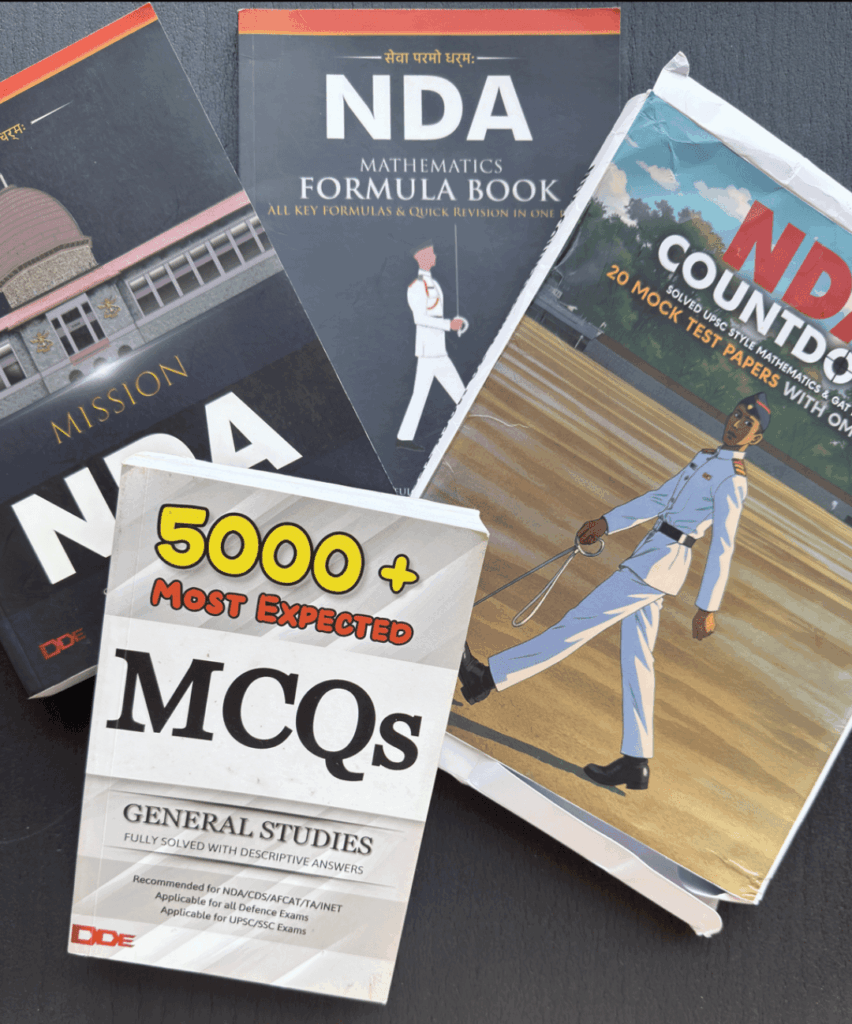
Some aspirants believe that joining coaching or collecting multiple books guarantees success. However, no coaching or book can replace self-discipline and self-study.
Too many resources create confusion and waste time. Successful aspirants usually stick to limited, reliable material and focus on understanding and practicing consistently.
Ignoring Basics and Fundamentals
Many aspirants jump directly to advanced questions without strengthening basics. Defence exams test fundamental concepts, not complex theories.
Weak basics lead to confusion even in simple questions. Building a strong foundation helps in solving questions faster and with more accuracy.
Lack of Self-Analysis
After tests or practice sessions, many aspirants move on without analysing their mistakes. This leads to repeating the same errors again and again.
Self-analysis helps identify weak areas, time issues, and careless mistakes. Improvement comes from correcting errors, not from ignoring them.
Final Thoughts
Most defence aspirants do not fail because they lack intelligence or dedication. They fail because of poor planning, weak practice, fear, and wrong strategies. The good news is that these mistakes can be corrected. With a clear plan, regular practice, proper revision, mock tests, and the right mindset, any serious aspirant can improve performance and clear the written exam. Defence exams reward consistency, smart work and calm thinking, not just hard work.


 Order Now on Amazon