


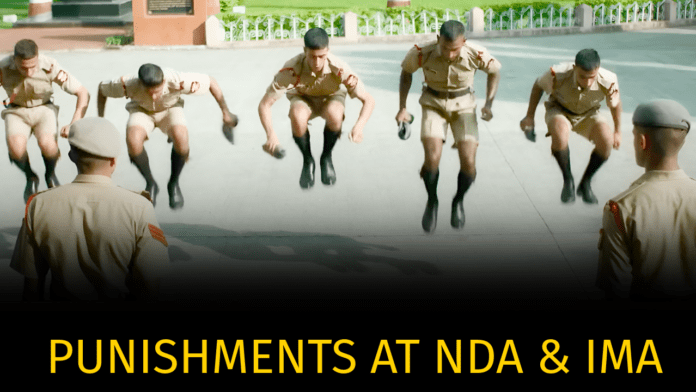
Punishments at NDA
When defence aspirants hear about punishments at NDA and IMA, fear is often the first reaction. Stories of strict seniors, tough routines, and physical punishments create an image that life at these academies is only about hardship. But the reality is different. Punishments at the National Defence Academy (NDA) and the Indian Military Academy (IMA) are not meant to trouble cadets; they exist to build discipline, responsibility, and strong character.
At NDA and IMA, discipline is the backbone of training. Cadets come from different backgrounds and habits, and the first task of the academy is to bring everyone to a common standard. Punishments are used as a corrective tool to help cadets understand the importance of rules, punctuality, and teamwork. They are part of training, not personal anger or humiliation.
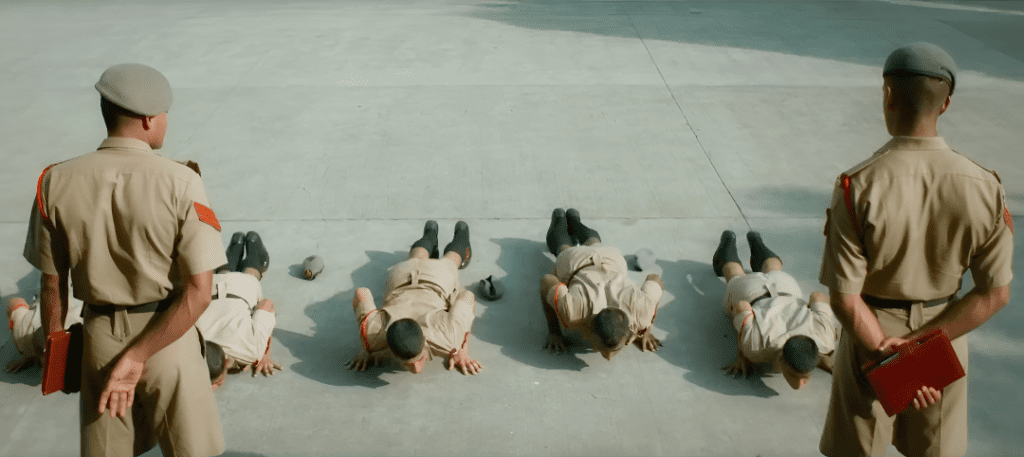
Most punishments are simple and corrective in nature. They usually happen when cadets are late, poorly turned out, careless with orders, or fail to meet expected standards. Physical punishments like extra PT, running, or drills are common because physical effort teaches discipline faster than lectures. These punishments are controlled, supervised, and well within safety limits.
A big misunderstanding among aspirants is that punishments mean suffering. In reality, punishments at NDA and IMA teach accountability. When a cadet makes a mistake, the punishment reminds them that actions have consequences. Over time, cadets learn to take responsibility for their behaviour and avoid repeating the same mistakes.

Another important aspect is that punishments reduce as cadets become more disciplined. Freshers face more corrections because they are still adjusting to military life. As training progresses, cadets understand expectations better, and punishments become less frequent. This itself shows how the system is designed to train, not harass.
Punishments also build mental toughness. Fatigue, pressure, and strict routines test a cadet’s patience and resilience. These challenges prepare cadets for real Army life, where stress and responsibility are part of the job. Learning to stay calm and focused after a punishment is an important lesson in leadership.
It is also worth noting that punishments are given fairly. Senior cadets and instructors are trained to ensure discipline without crossing limits. Respect for dignity and safety is always maintained. The aim is correction, not fear.

In simple words, punishments at NDA and IMA are not about pain; they are about purpose. They shape cadets into disciplined leaders who can be trusted in difficult situations. Aspirants should not fear punishments but understand their role in building strong officers.
For those dreaming of a defence career, this reality check is important. Discipline may feel uncomfortable in the beginning, but it is the foundation of leadership. Those who accept it grow stronger, confident, and ready to lead.



 Order Now on Amazon