


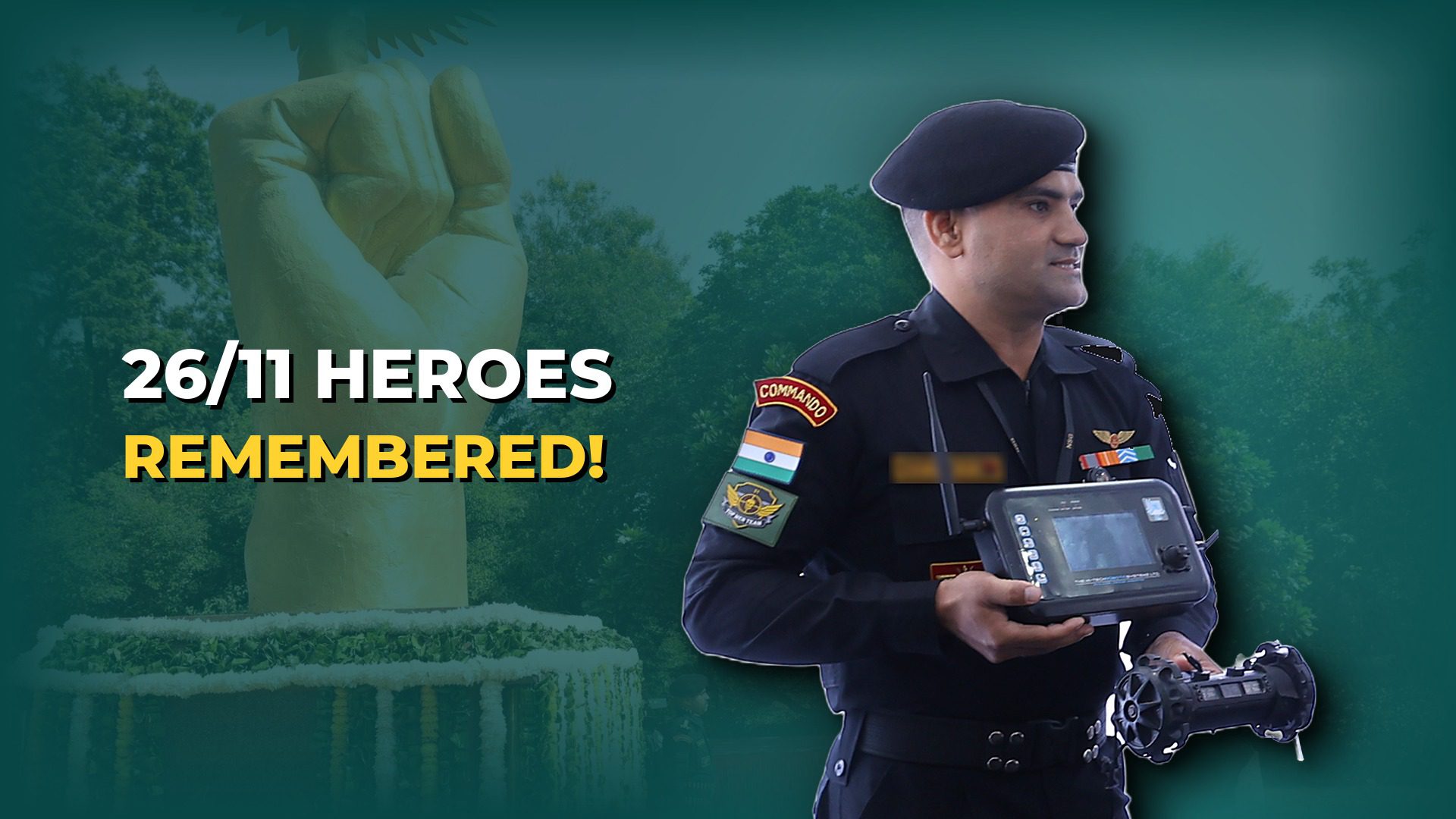
Today, 26 November 2026, marks 18 years since the 26/11 Mumbai attack. For close to three days, from the night of 26 November to the morning of 29 November 2008, ten terrorists held parts of Mumbai under fire. Police officers, Army and Navy personnel and NSG commandos fought them, and many gave their lives.
Here are eight facts every defence aspirant should know, taken only from official government records: the Home Minister’s statement in the Lok Sabha on 11 December 2008, official press releases and the Gallantry Awards portal.
26/11 Mumbai Attack: Key Facts At A Glance
| Point | Official figure |
|---|---|
| Dates | 26 to 29 November 2008 |
| People killed (civilians and security personnel) | 164, including 26 foreigners |
| People injured | 308 |
| Terrorists | 10: nine killed, one captured alive |
| Places attacked | 13 locations, with four main targets |
| Operations ended | About 8.20 a.m. on 29 November 2008 |
1. The Terrorists Came By Sea
As per the Home Minister’s statement, 10 Pakistani nationals of the Lashkar-e-Toiba left Karachi on 23 November 2008 on a launch called Al Hussaini. They hijacked an Indian fishing vessel, M.V. Kuber, off the coast of Gujarat and killed its crew. A few miles from Mumbai they got into an inflatable rubber dinghy and landed near Budhwar Park, Colaba, between 8.00 and 8.30 p.m. on 26 November.
2. Four Groups, Four Main Targets
The terrorists split into four groups. Their main targets were:
- Chhatrapati Shivaji Terminus (CST)
- Leopold Cafe and the Taj Hotel
- The Oberoi-Trident Hotel
- Nariman House
In all, there was firing, grenade throwing and bomb blasts at 13 locations.
3. Army, Navy And NSG Commandos Were Called In The Same Night
Shortly before 11 p.m. on 26 November, the Central Government got the news. At the request of the Maharashtra Government, the Army deployed 5 columns to cordon off the affected areas, and the Navy deployed its commandos. At about 11.30 p.m., Maharashtra asked for the National Security Guard.
A group of around 200 NSG commandos from Manesar in Haryana was airlifted to Mumbai that night, and was reinforced the next day. They were deployed at the sites in the early hours of 27 November. The terrorists were heavily armed, held hostages and had the cover of tall buildings. The operations ended at about 8.20 a.m. on 29 November, after hundreds of trapped people were rescued.
4. Major Sandeep Unnikrishnan Told His Men To Stay Back
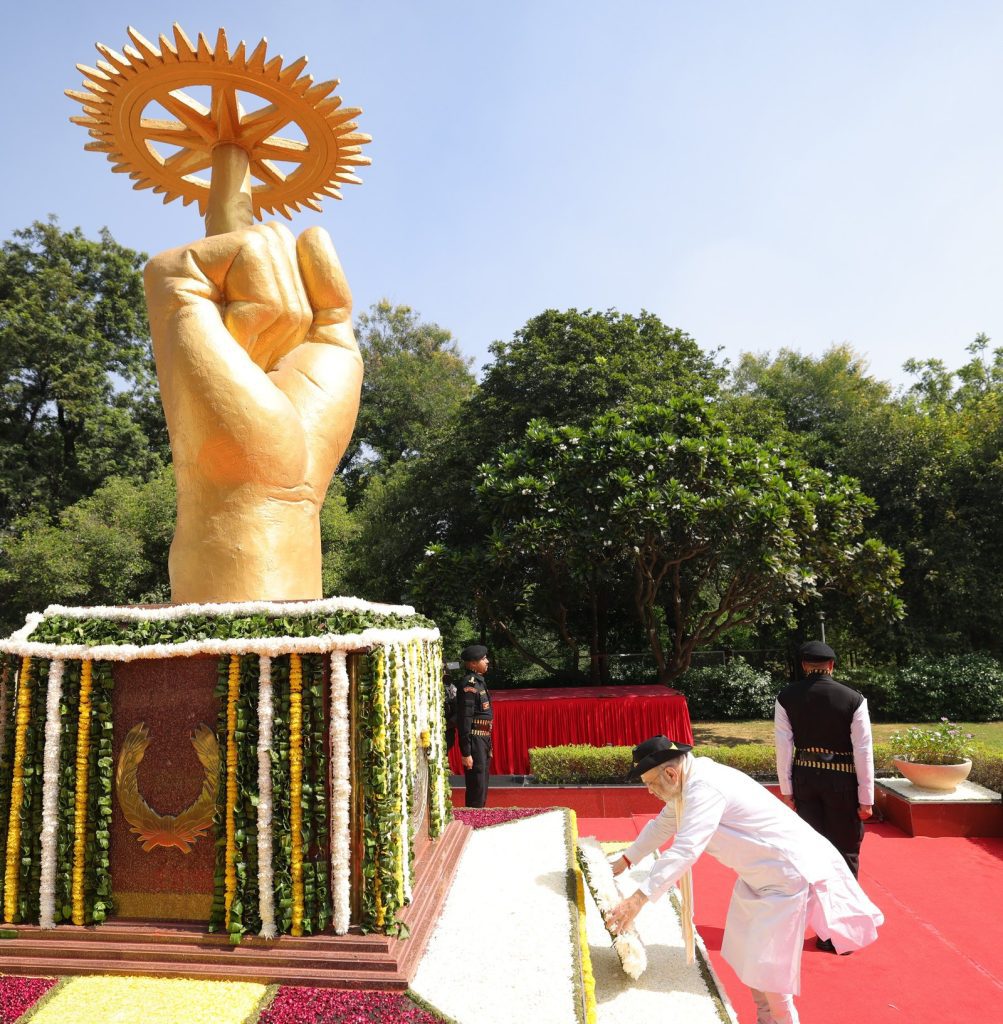
Major Sandeep Unnikrishnan is described as an NSG Special Action Group commando in an official release of November 2022, which also mentions his colleagues in the NSG and the Seventh Bihar Regiment. In his statement to Parliament, the Home Minister asked the nation to remember that the Major “ordered his men to stay back while he confronted the terrorists”.
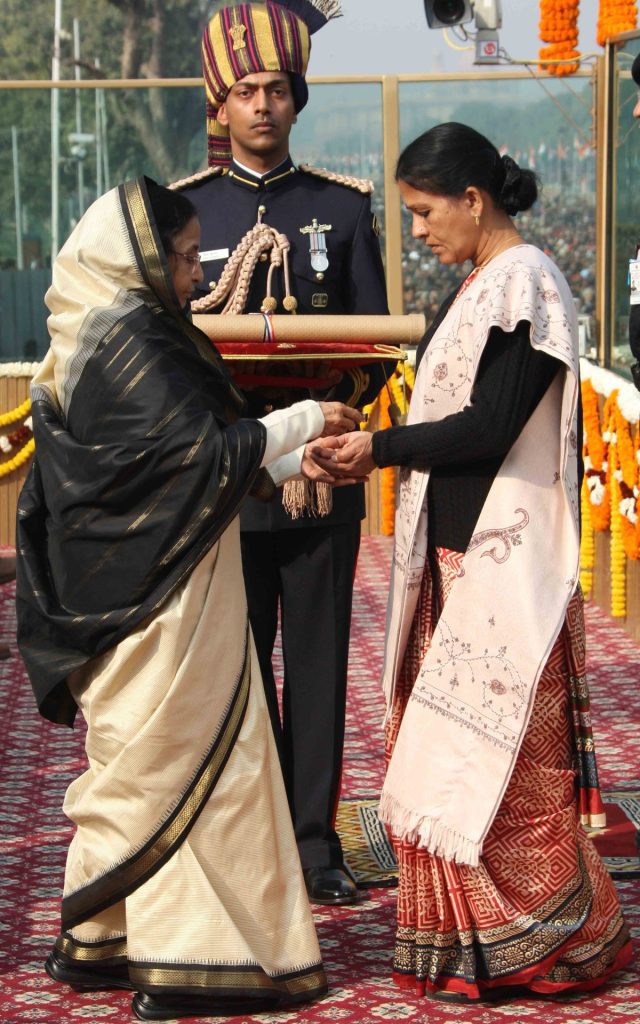
He was awarded the Ashoka Chakra, India’s highest peacetime gallantry award, posthumously. As per the Gallantry Awards portal, his service number was IC-58660 and the award is effective from 26 January 2009. His mother received the award from the President at the Republic Day Parade of 2009.
Read more about his life in our tribute, Remembering the brave Major Sandeep Unnikrishnan.
5. Tukaram Omble Grabbed The Gun Barrel
Only one terrorist was caught alive, and that was because of Assistant Sub-Inspector Tukaram Omble of the Mumbai Police. In the Home Minister’s words, he “grabbed the barrel of the gun and took all the bullets in his chest” so that his fellow policemen could overpower the terrorist, Mohammed Ajmal Amir.
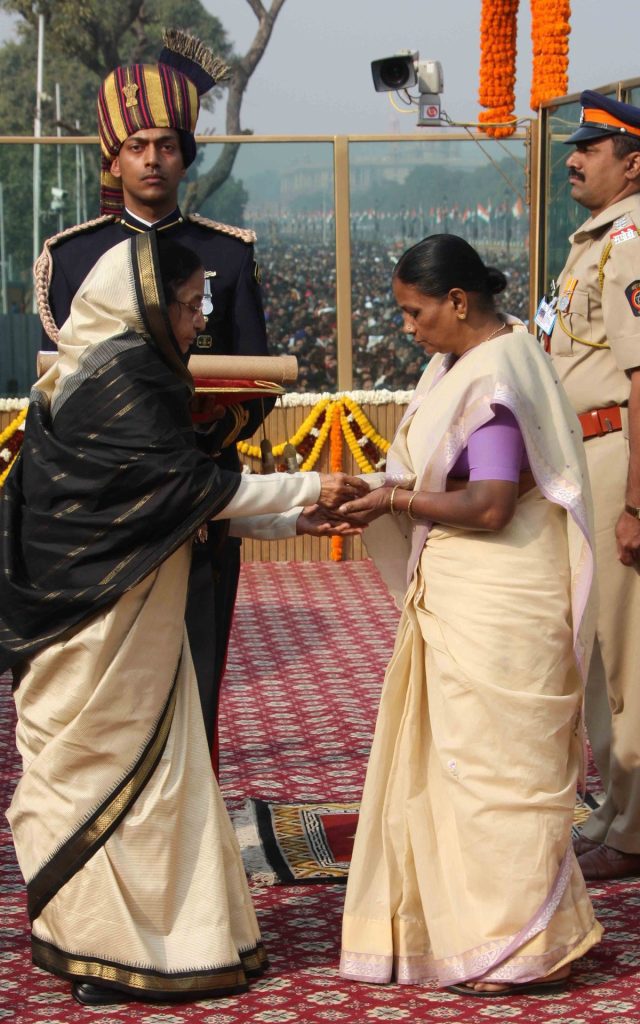
His wife received the Ashoka Chakra awarded to him posthumously at the Republic Day Parade of 2009, as per the PIB photo record.
6. Other Heroes Honoured
An official release lists Anti-Terrorism Squad chief Hemant Karkare and Senior Police Inspector Vijay Salaskar among those who laid down their lives on 26/11, along with Major Sandeep Unnikrishnan. PIB photo records of the 60th Republic Day Parade, 26 January 2009, show posthumous Ashoka Chakras being received for Vijay Salaskar, Ashok Kamte and Havildar Gajender Singh, among others. You can read about more of them in our post on the heroes of the 26/11 Mumbai terror attack.

7. NSG Hubs Were Set Up Across India
The Home Minister told Parliament that the NSG was held back by the distance from its headquarters to the airport, the lack of a dedicated aircraft and poor logistics. So it was decided to place NSG units in regional hubs. The same statement proposed a Bill to set up a National Investigation Agency.
As per the Ministry of Home Affairs release of 14 October 2025, NSG hubs are now in Mumbai, Chennai, Kolkata, Hyderabad, Ahmedabad and Jammu, and a new hub is being set up in Ayodhya.
8. Coastal Security Was Rebuilt Around The Navy
Because the attackers came by sea, the biggest changes came on the coast. As per a Ministry of Defence release of January 2019:
- After 26/11, the Indian Navy was made responsible for overall maritime security, including offshore and coastal security.
- The Naval Commanders-in-Chief at Mumbai, Kochi, Visakhapatnam and Port Blair were also made Commanders-in-Chief Coastal Defence.
- The Indian Coast Guard was made responsible for coastal security in territorial waters, including the waters patrolled by State Marine Police.
- Joint Operations Centres of the Navy, Coastal Security Operations Centres of the Coast Guard, a coastal radar chain and the NC3I information network were set up.
- A National Committee on Strengthening Maritime and Coastal Security, headed by the Cabinet Secretary, was formed.
Ten years after the attack, in January 2019, the Navy ran Exercise Sea Vigil along India’s entire 7,516.6 km coastline, with all 13 coastal States and Union Territories, to test these measures.
Why Defence Aspirants Should Know This
Questions on Ashoka Chakra awardees, the NSG and coastal security come up in GK papers and SSB interviews. More than that, 26/11 shows what officers mean when they speak of leading from the front. Major Sandeep Unnikrishnan, like the soldiers in our hero stories, chose to go first.
Frequently Asked Questions
When did the 26/11 Mumbai attack happen?
The attacks began on the night of 26 November 2008 and the operations ended at about 8.20 a.m. on 29 November 2008.
How many people died in the 26/11 Mumbai attack?
As per the Home Minister’s statement in the Lok Sabha, 164 persons, civilians and security personnel, lost their lives and 308 were injured. Nine terrorists were killed and one was captured.
Which award did Major Sandeep Unnikrishnan get?
He was awarded the Ashoka Chakra (posthumous), effective 26 January 2009.
Who caught the only terrorist alive?
Assistant Sub-Inspector Tukaram Omble of the Mumbai Police grabbed the terrorist’s gun barrel, allowing his fellow policemen to overpower him. He was awarded the Ashoka Chakra posthumously.
How many NSG commandos were sent to Mumbai?
A group of around 200 NSG commandos was airlifted from Manesar on the night of 26 November 2008 and reinforced the next day.
What changed in coastal security after 26/11?
The Navy was made responsible for overall maritime security, the Coast Guard for territorial waters, and Joint Operations Centres, a coastal radar chain and the NC3I network were set up.