

On 13 October 1948, a small Indian post at Richhmar Gali in Jammu and Kashmir was attacked eight times in a single day. The man in command was wounded twice. He refused to leave. When two enemy soldiers came too close to shoot at, he jumped out of his trench and killed both with his bayonet. That man was Lance Naik Karam Singh of 1 Sikh.
For this action he was awarded the Param Vir Chakra (PVC), India’s highest wartime gallantry award. He lived to receive it, and he was already a decorated soldier of the Second World War. Here is the story of the Sikh soldier who would not give up his post.
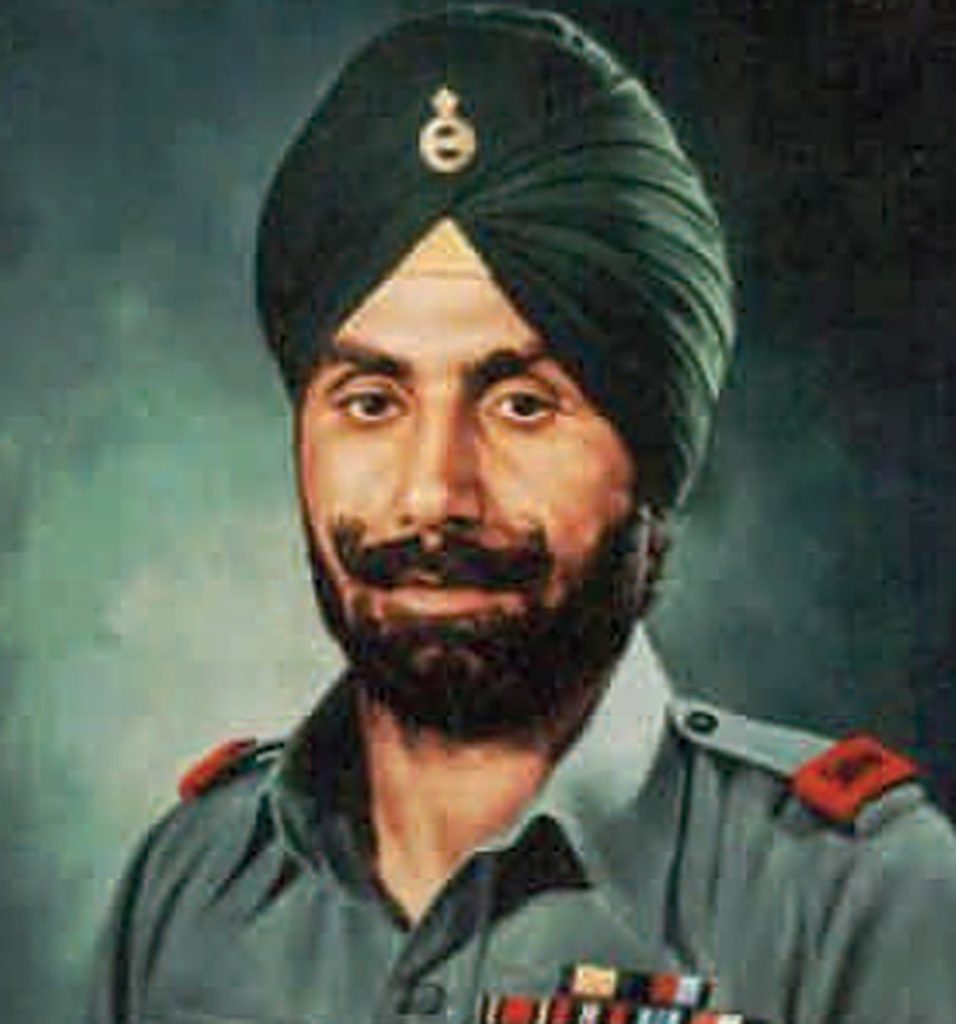
Lance Naik Karam Singh At A Glance
| Detail | Information |
|---|---|
| Name | Karam Singh |
| Service number | 22356 |
| Born | 15 September 1915, Village Sehna, Barnala, Punjab |
| Father | Shri Uttam Singh |
| Enrolled | 15 September 1941, in 1 Sikh |
| Regiment | The Sikh Regiment |
| Earlier award | Military Medal (MM), Second World War |
| Date of action | 13 October 1948 |
| Place of action | Richhmar Gali, Tithwal sector, Jammu and Kashmir |
| Award | PVC |
| Later rank | Subedar and Honorary Captain |
Early Life: A Soldier From Sehna
He was born on 15 September 1915 in Village Sehna in Barnala, Punjab. His father was Shri Uttam Singh. These details are recorded in the official e-book on him published by the Ministry of Defence on the Gallantry Awards portal.
On his 26th birthday, 15 September 1941, he was enrolled in 1 Sikh, a battalion of the Sikh Regiment. The Second World War was on, and the young soldier soon proved himself. He earned the Military Medal in that war. That is why official records write the letters MM after his name.
The Sikh Regiment is one of the most decorated regiments of the Army. You can read its war cry and those of other regiments in our post on infantry regiments war cries.
The Battle Of Tithwal
After Independence, Pakistan sent raiders into Jammu and Kashmir, and the war of 1947-48 began. In the summer of 1948, the Indian Army made big gains in the Tithwal sector. Tithwal was captured on 23 May 1948. The enemy fled across the Kishanganga river, leaving arms and equipment behind.
But the enemy soon came back with a strong counter-attack. Indian troops settled on the Tithwal ridge and held it. As the e-book records, the Battle of Tithwal went on for months, and the enemy could not make a dent in the Indian defences.
The National War Memorial calls it one of the fiercest and longest battles of the 1947-48 conflict. South of Tithwal lay Richhmar Gali. East of it was the Nastachun Pass. The enemy wanted both.
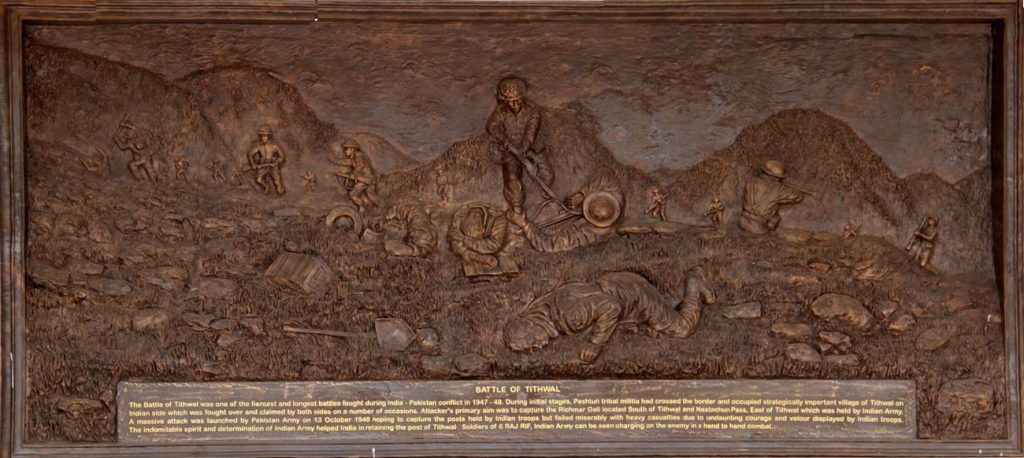
13 October 1948: Eight Attacks On Richhmar Gali
On 13 October 1948, the enemy launched a desperate attack in brigade strength. The aim was to take back Richhmar Gali and to go around the Indian positions through the pass.
Lance Naik Karam Singh was commanding a forward outpost of 1 Sikh at Richhmar Gali. The attack began with heavy shelling by guns and mortars. The fire was so heavy that nearly all the bunkers in the platoon area were damaged.
Then the infantry came, in far greater numbers. The post was attacked eight times that day. Eight times the Sikhs threw the enemy back.
He Brought His Wounded Men Back
When ammunition ran short, he fell back to the main company position. He knew that no help could reach him through the shelling. Though wounded himself, he brought back two injured comrades with the help of a third soldier.
Twice Wounded, He Refused To Leave
With enemy fire all around, he crawled from trench to trench. He encouraged his men to keep fighting and to beat the enemy back with grenades. He was wounded a second time. He still refused to be evacuated and held on to the first-line trenches.
The Bayonet Charge
The fifth attack was very intense. Two enemy soldiers came so close to his position that he could not fire at them without hitting his own men. So he jumped out of his trench and bayoneted both of them to death.
This bold act broke the spirit of the attackers and they called off that attack. Three more attacks followed. He and his men pushed back every one of them. Richhmar Gali stayed with India.
Param Vir Chakra For Lance Naik Karam Singh
For conspicuous courage and indomitable gallantry under extreme adverse circumstances, he was awarded the PVC. In the words of the official e-book, he was “an inspiration to his comrades and a terror to the enemy”. You can read his citation on the National War Memorial website and see his profile on the Gallantry Awards portal.
Five soldiers received this award for the war of 1947-48. The National War Memorial lists three of them, Major Somnath Sharma, Naik Jadunath Singh and Company Havildar Major Piru Singh, as posthumous awards. Second Lieutenant Rama Raghoba Rane and Lance Naik Karam Singh were the two who lived to wear the medal.
He continued to serve in the Army after the war. Official records give his final rank as Subedar and Honorary Captain. To see where his two medals stand among all decorations, read our guide on the service medals of India.
How The Nation Remembers Him
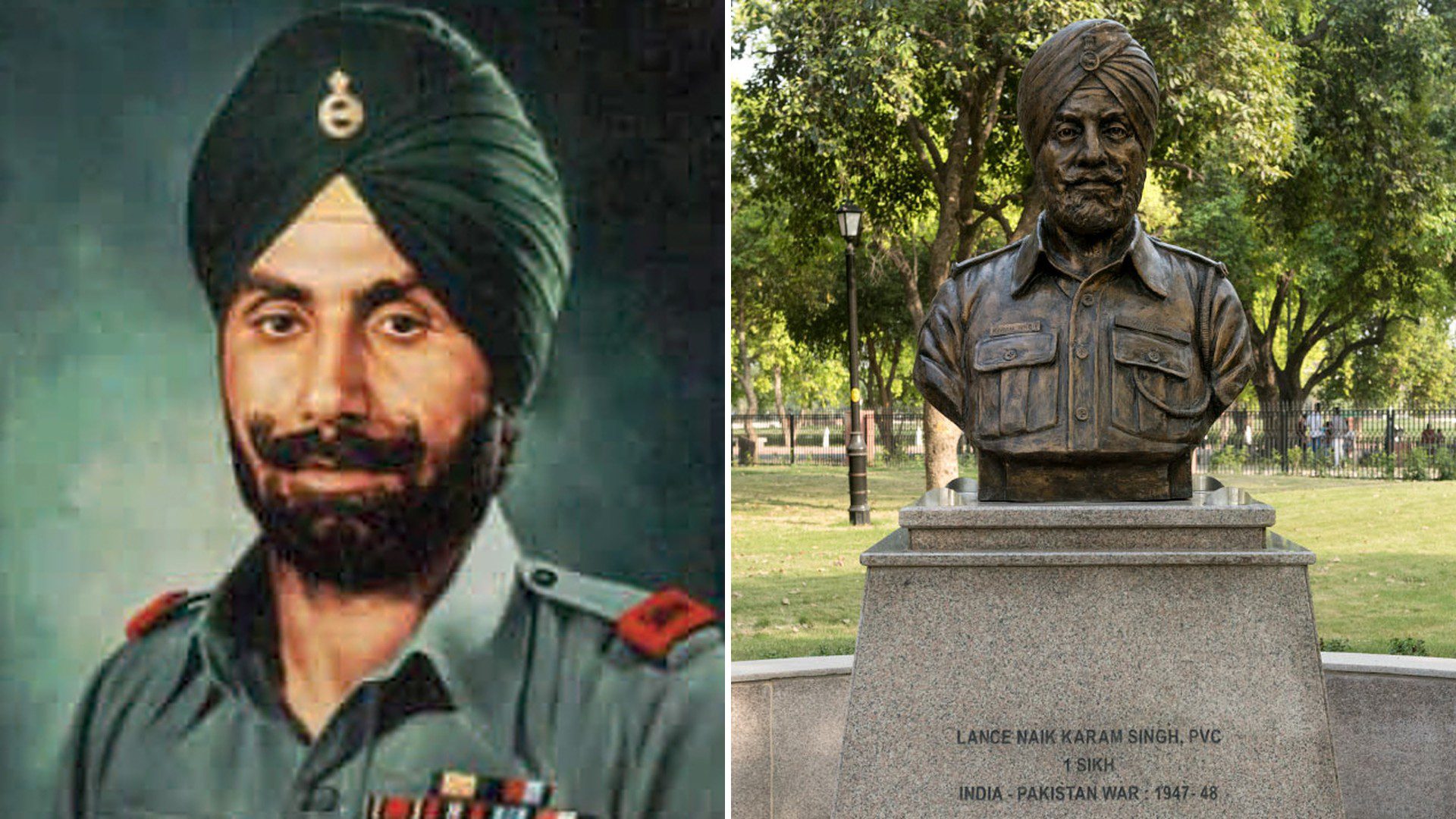
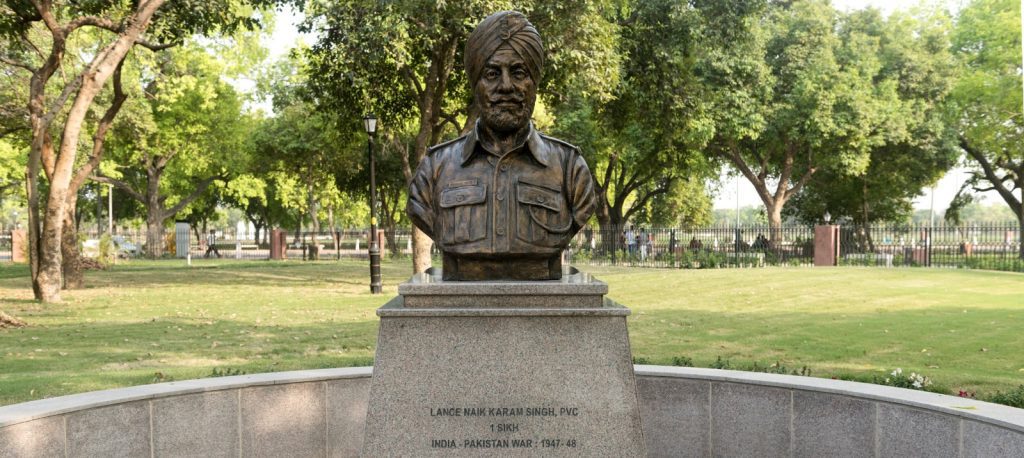
- National War Memorial: His bust stands at the National War Memorial in New Delhi with the other PVC awardees. The plaque reads “Lance Naik Karam Singh, PVC, 1 Sikh, India – Pakistan War 1947-48”.
- An island in his name: On Parakram Diwas, 23 January 2023, the 21 largest unnamed islands of Andaman and Nicobar were named after the 21 PVC awardees. The official release lists him as “Subedar and Hony Captain (then Lance Naik) Karam Singh, MM”.
- Param Vir Dirgha: On Vijay Diwas, 16 December 2025, the President inaugurated the Param Vir Dirgha at Rashtrapati Bhavan. It has the portraits of all 21 awardees.
- A bronze mural: The Battle of Tithwal is one of the battles shown in the bronze murals of the National War Memorial.
What Defence Aspirants Can Learn From Him
- A leader stays with his men. He was wounded twice and could have gone back. He chose to stay in the first-line trenches.
- A leader looks after his men. Even when hurt, he carried two wounded comrades to safety.
- Courage spreads. He went from trench to trench so that every man kept fighting. One steady man held a whole post together.
- Rank is not a limit. He was a Lance Naik that day, one of the junior ranks of the Army. Bravery does not wait for seniority.
If such stories move you, also read about Major Ramaswamy Parameswaran, the only PVC hero of Operation Pawan.
Frequently Asked Questions
Who was Lance Naik Karam Singh?
He was a soldier of 1 Sikh who was awarded the PVC for his bravery at Richhmar Gali in the Tithwal sector of Jammu and Kashmir on 13 October 1948.
Why was he awarded the Param Vir Chakra?
His post was attacked eight times in one day. Though wounded twice, he refused evacuation, rescued two injured comrades, kept his men fighting and killed two enemy soldiers with his bayonet.
When and where was he born?
He was born on 15 September 1915 in Village Sehna, Barnala, Punjab.
What does MM after his name mean?
MM stands for Military Medal. He earned it in the Second World War, before the action at Tithwal.
Was his award posthumous?
No. He survived the battle and received the medal himself.