

SSB Screening Test
The SSB Screening Test is the first stage of the Services Selection Board (SSB) interview process conducted for candidates aspiring to join the Indian Armed Forces as officers. It is considered one of the most important stages because only candidates who clear screening are allowed to stay for the remaining four days of assessment. Every year, thousands of aspirants report to SSB centers, but a large number get screened out on Day 1 itself. Therefore, understanding the screening process properly is extremely important for every defence aspirant.
The main purpose of the screening test is to quickly assess whether a candidate possesses basic officer-like potential required for further evaluation. It helps assessors identify candidates who show clarity of thought, intelligence, communication ability, confidence, and group participation skills.
Why is the SSB Screening Test Conducted?
The SSB process receives a very large number of candidates for entries like NDA, CDS, AFCAT, TES, and other defence examinations. Conducting a detailed five-day assessment for every candidate would not be practical. Therefore, the screening test acts as a filtering stage to shortlist candidates who appear suitable for deeper personality assessment.
Screening does not decide final recommendation, but it determines whether a candidate will continue in the selection process or return home on the very first day.
What Happens on Day 1 of SSB?
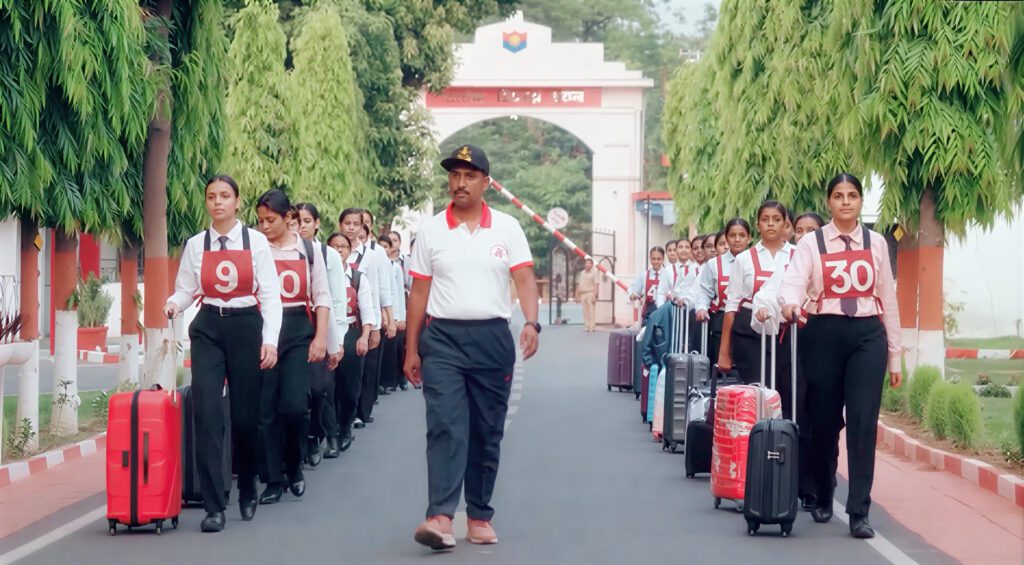
The first day of SSB usually begins with document verification and filling of basic forms. After this, candidates appear for two major tests:
1. Officer Intelligence Rating (OIR) Test
2. Picture Perception and Discussion Test (PPDT)
Performance in both tests together determines whether a candidate gets “screened in” or “screened out.”
Officer Intelligence Rating (OIR) Test
The OIR test is a basic intelligence and reasoning examination conducted to assess a candidate’s mental ability and problem-solving speed. It usually contains verbal and non-verbal reasoning questions similar to aptitude tests.
Questions may include:
Series completion
Coding-decoding
Analogies
Blood relations
Figure patterns
Logical reasoning
The test is designed to evaluate how quickly and accurately a candidate can think under time pressure. Usually, two booklets are given with limited time for each.
The OIR test is not extremely difficult, but speed and concentration are very important. Many candidates fail to manage time properly and lose marks despite knowing the concepts.
Picture Perception and Discussion Test (PPDT)
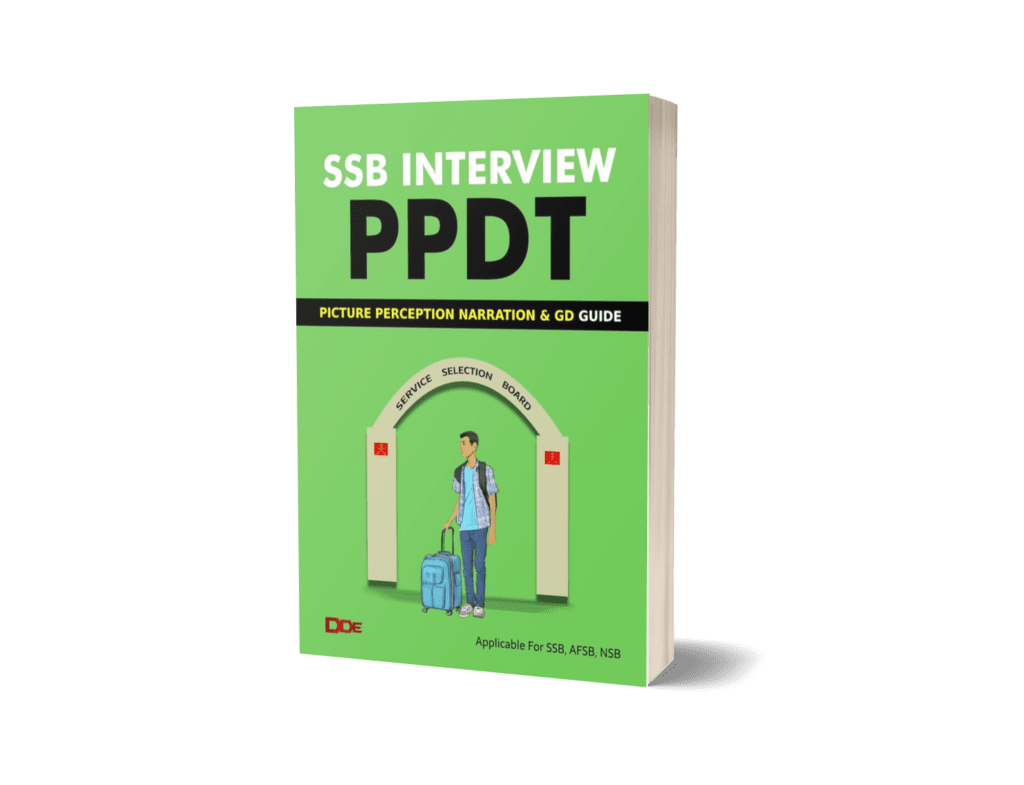
The PPDT is considered the most important part of the screening process because it assesses multiple qualities together.
In this test, candidates are shown a blurred picture for a short duration, usually around 30 seconds. Candidates must observe the image carefully and write a short story based on it within a limited time. The story should include:
Number of characters
Age and gender of the main character
Mood of the character
Situation in the picture
A logical and positive outcome
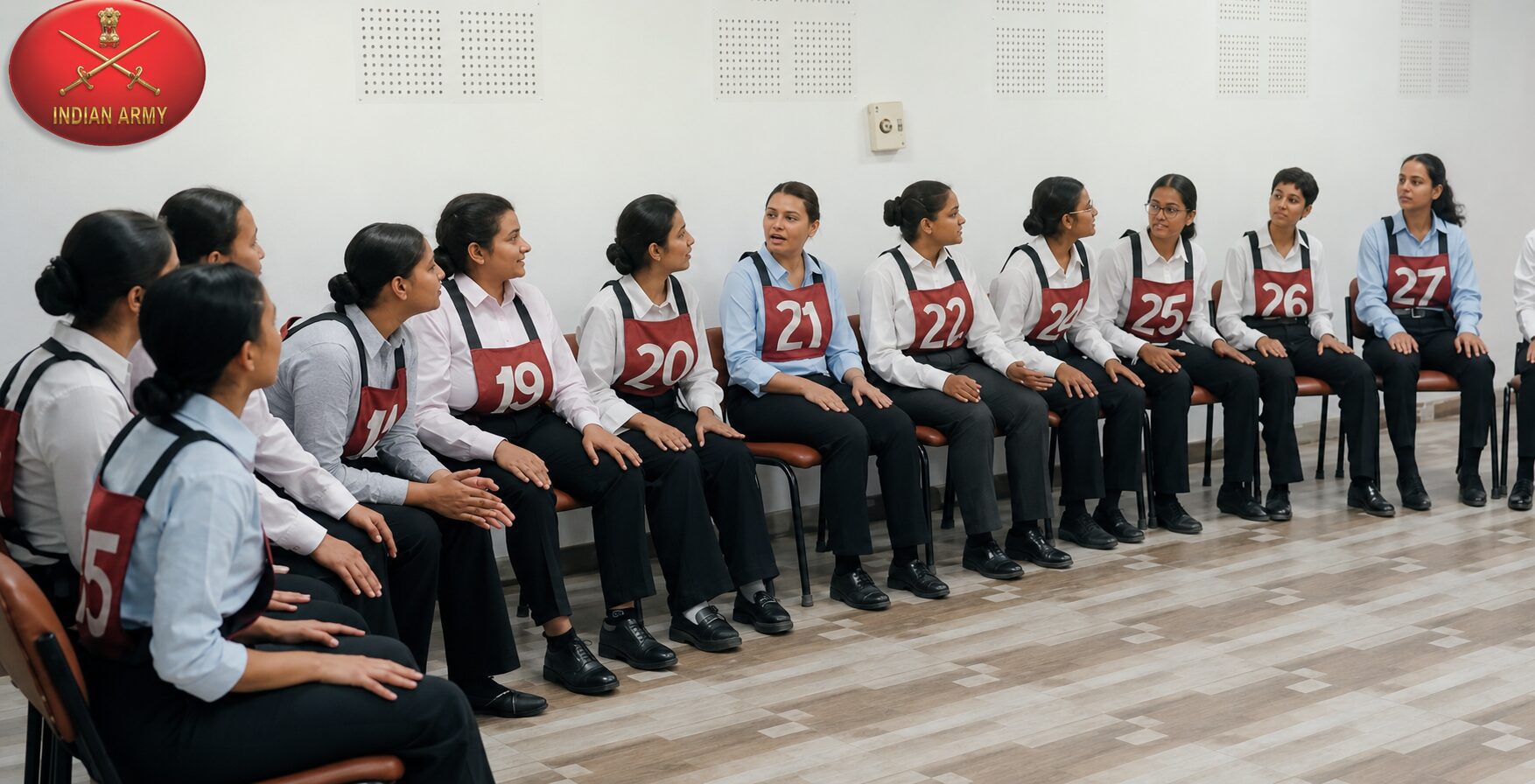
After story writing, candidates individually narrate their stories in front of the group. This is followed by a group discussion where the group tries to reach a common story.
The PPDT assesses observation skills, imagination, communication ability, confidence, cooperation, listening skills, and group behaviour.
What Assessors Look for During Screening
Many candidates think screening depends only on speaking loudly or dominating discussions, but that is not true. Assessors look for balanced behaviour and officer-like qualities.
Some qualities commonly observed during screening include:
Clarity of thought
Confidence
Communication skills
Logical thinking
Team spirit
Listening ability
Positive attitude
Participation in discussion
Candidates who remain calm, communicate clearly, and contribute meaningfully often perform better than those trying to dominate aggressively.
Common Reasons Why Candidates Get Screened Out
A large number of candidates fail in screening due to avoidable mistakes. One common mistake is poor communication during PPDT narration and discussion. Some candidates hesitate too much, while others become overly aggressive.
Weak OIR performance, unrealistic stories, lack of participation, poor listening skills, and nervousness also negatively affect screening results. Many candidates focus only on speaking more instead of contributing quality points during discussion.
Another major reason is artificial behaviour. Assessors can easily identify candidates trying to act smart instead of behaving naturally.
How to Prepare for SSB Screening
Preparation for screening should focus equally on OIR and PPDT practice. Candidates should regularly solve reasoning questions to improve speed and accuracy for the OIR test.
For PPDT preparation, daily practice of story writing and narration is extremely useful. Candidates should practice speaking clearly within time limits and participate in group discussions whenever possible. Reading newspapers and improving general awareness also help in developing confidence and clarity during discussions.
Most importantly, candidates should work on staying calm under pressure because nervousness affects both thinking ability and communication performance.
Is Coaching Necessary for SSB Screening?
Coaching is not compulsory for clearing screening. Many recommended candidates prepare at home successfully through regular practice and self-analysis. However, proper guidance, mock practice, and understanding of the process can definitely help candidates avoid common mistakes.
A good SSB Interview Workbook can also be helpful for structured practice of OIR questions, PPDT stories, and group discussion preparation.