

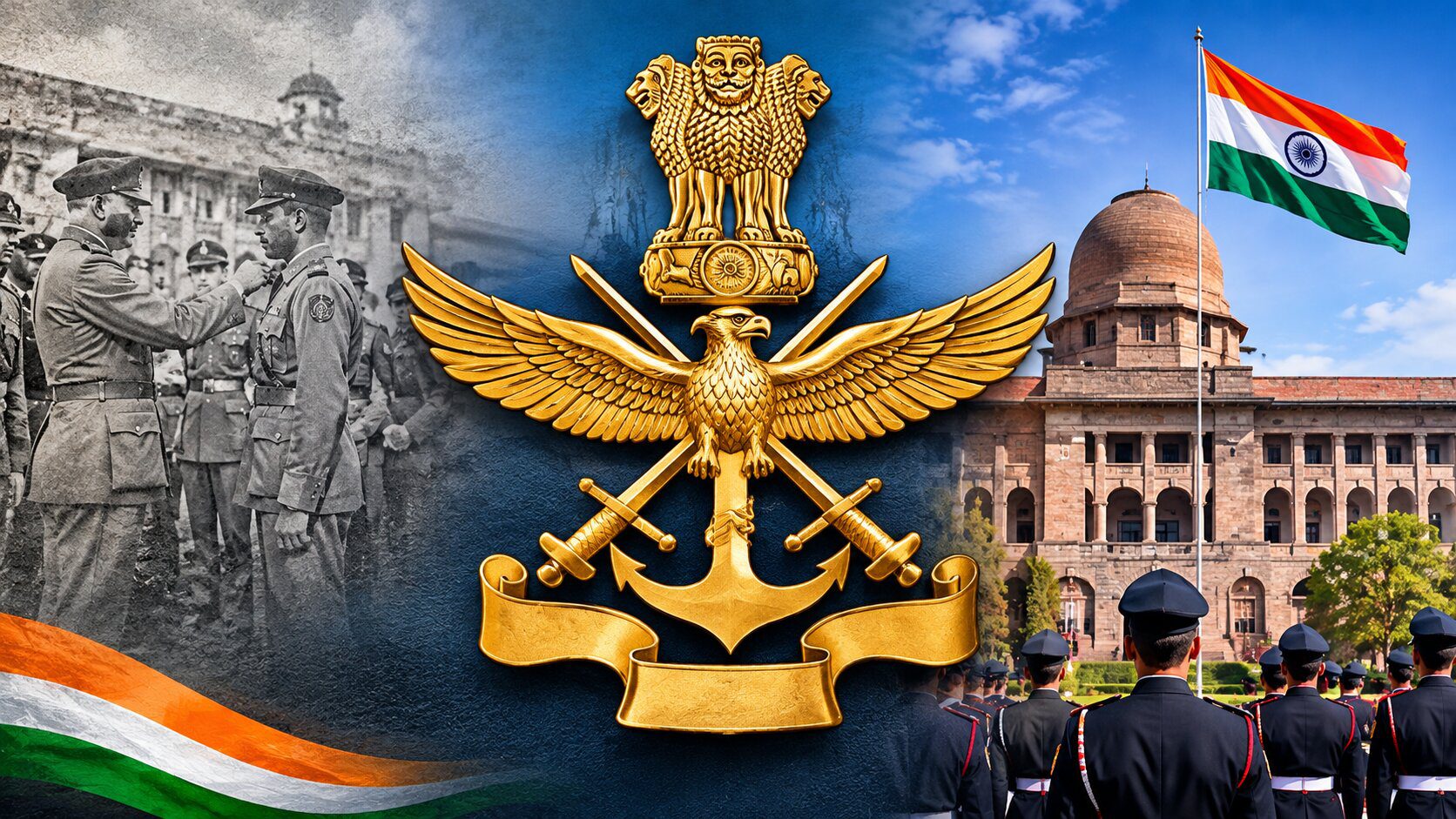
The National Defence Academy or NDA in Khadakwasla is a premier military training institution that represents the spirit of discipline and service. One of the well-known symbols of this legacy is the NDA insignia, which reflects the identity and values of the academy.
The NDA insignia features crossed swords, an anchor, a Himalayan eagle and the national emblem of India. But what do these symbols represent, and how did the crest evolve? We decode everything for you today.
Early Beginnings of the NDA Insignia
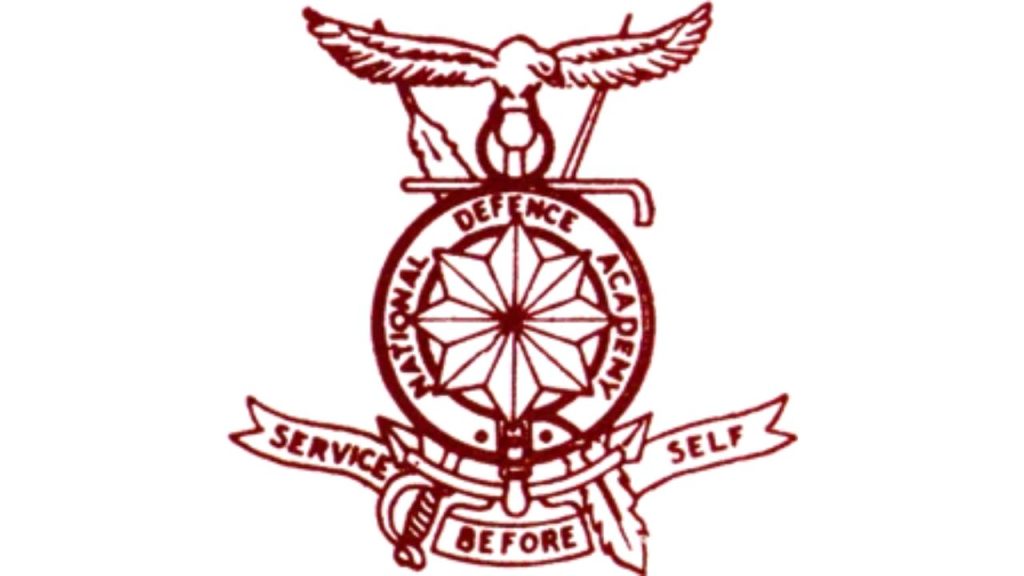
The origins of the NDA insignia date back to 1948, when the original design was selected to represent its joint-services character.
The first NDA insignia featured a sword, an anchor, a quill pen, and an eagle along with an eight-pointed star in the centre. All these elements symbolized the fields in which all cadets received training at the prestigious academy.
As the academy developed, the design underwent several changes between 1949 and 1956. These changes helped shape the present crest, bringing the symbols of the three services together with the national emblem and the academy’s motto. Rather than representing three separate military organisations, the insignia presents them as parts of one unified institution.
What Do the Symbols on the NDA Insignia Mean?
Interestingly, the very element of the NDA insignia carries a specific meaning and reflects the responsibilities and aspirations associated with military service. Let us decode each element now.
The Crossed Swords
The crossed swords in the NDA insignia represent the Indian Army and symbolise its martial valour, courage and readiness to defend the nation. These reflect the qualities expected of Army officers, which are inclusive of determination, leadership and the ability to lead troops through demanding operational situations.
The Anchor
The anchor in the NDA insignia represents the Indian Navy and symbolises stability and poise. Just like an anchor helps maintain a ship’s position, it reflects the Navy’s emphasis on steadiness, resilience and professionalism while operating at sea. It also represents the importance of maintaining composure and making sound decisions in challenging maritime environments.
The Himalayan Eagle
The Himalayan eagle in the NDA insignia represents the Indian Air Force and its aspirations to touch the sky with glory. The eagle reflects the Air Force’s pursuit of excellence in aviation and air power, while representing the high standards expected of those who aspire to become military aviators and air warriors.
The Ashoka Emblem
Above the three service symbols is the Ashoka Emblem, which features the four Asiatic lions drawn from India’s National Emblem. It represents the authority and identity of the Republic of India, as well as the pride associated with serving the motherland. Its position above the service symbols reinforces the idea that the Army, Navy and Air Force ultimately serve one nation and one constitutional framework.
Motto Scroll
At the base of the NDA insignia is a motto scroll bearing the Sanskrit motto, “Seva Paramo Dharma,” which translates to Service Before Self.
It expresses the principle that duty to the nation and the welfare of those under one’s command must take precedence over personal comfort. It is associated with the concept of Nishkama Karma from the Bhagavad Gita, which emphasises performing one’s duty without attachment to personal rewards.
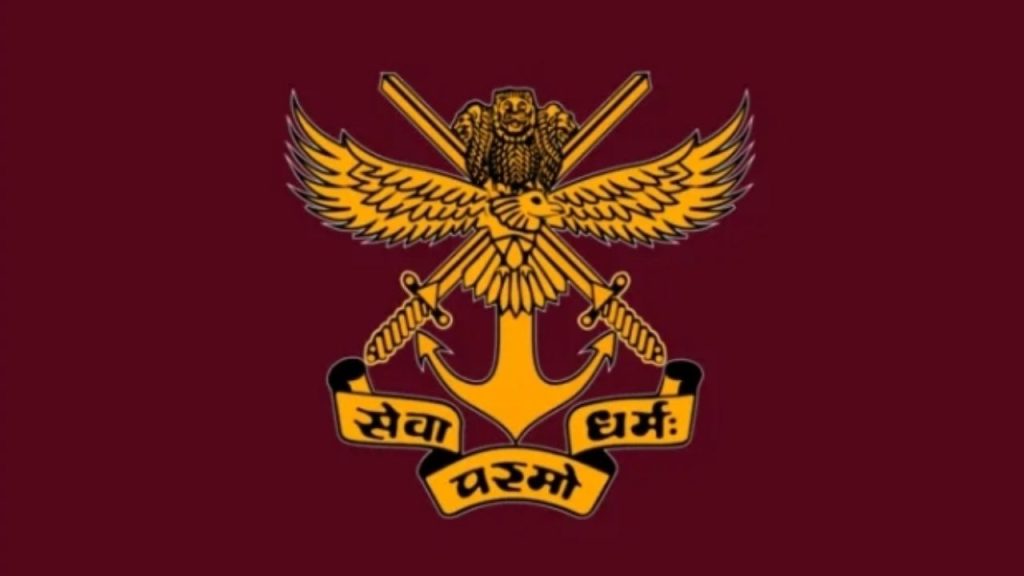
Maroon Background in NDA Insignia
You must have noticed that the NDA insignia is set against a maroon background. This forms an important part of the academy’s visual identity. Maroon is often associated with sacrifice, courage and chivalry, which are qualities closely connected with military life.
This academy colour appears across its traditions, flags and ceremonial identity and creates a shared sense of belonging among cadets. Cadets train under the same academy identity and develop bonds that remain significant throughout their military careers.
Final Thoughts
The NDA insignia is far more than an emblem displayed on uniforms, flags and academy buildings. Its crossed swords, anchor, Himalayan eagle and Ashoka emblem represent the three services united by a common national purpose. The maroon background reinforces the values of courage and sacrifice, while the motto, Seva Parmo Dharma, captures the academy’s philosophy of service.
Together, these elements remind every cadet that becoming an officer is not merely about earning a rank but about accepting the responsibility to serve the nation before oneself.