


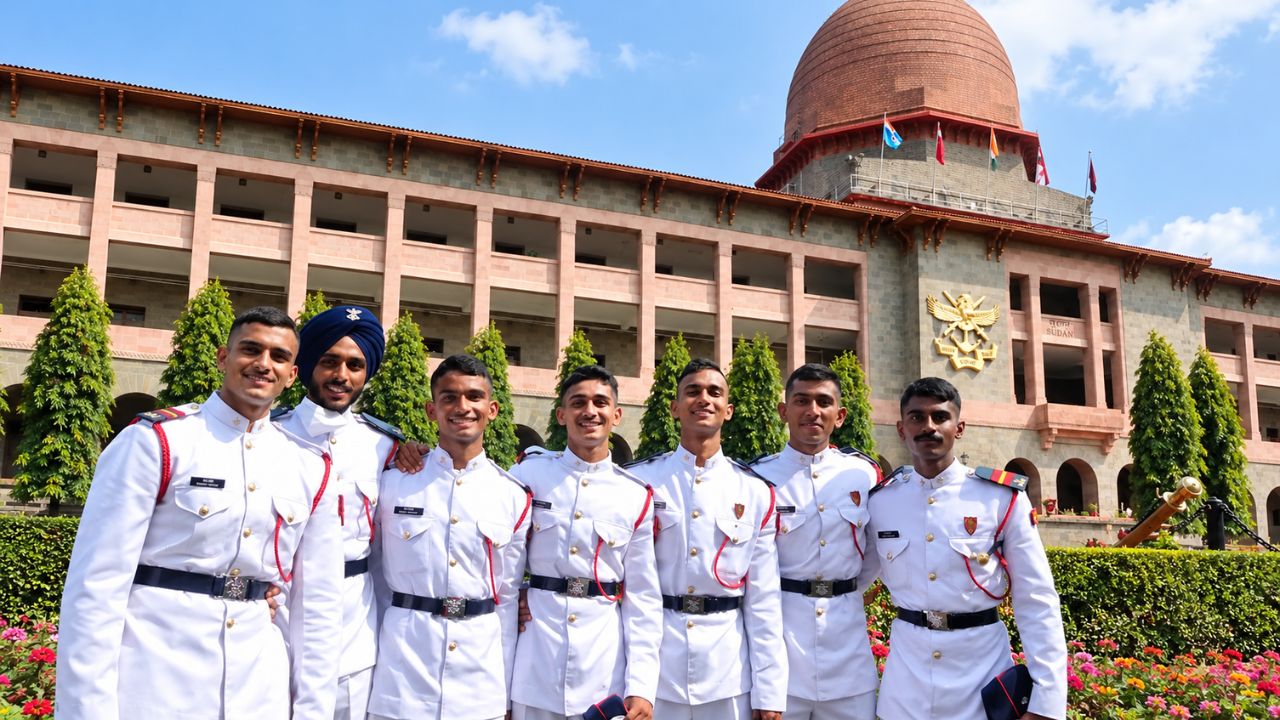
Think of the National Defence Academy in Khadakwasla, Pune and the first picture that comes to your mind is that of the Sudan Block in NDA. This iconic building has a story that connects India and Sudan through a shared history of courage and sacrifice during the Second World War.
But why is the Sudan Block in NDA named after an African country? Today, we decode the story behind this NDA landmark’s name.
What is the Sudan Block in NDA?
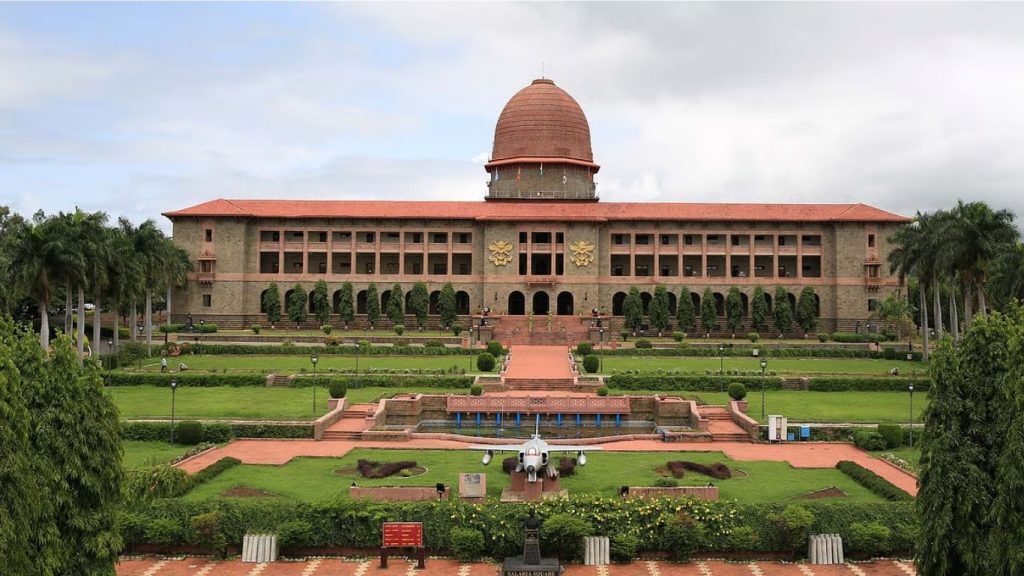
The Sudan Block in NDA is the most popular building of NDA, which functions as the administrative headquarters of the academy. It is a three-storey structure that features arches, pillars, verandahs, and a central dome that resembles an Army field gun from a distance.
The building has been built using Jodhpur red sandstone, basalt, and granite. Being the administrative HQs, it houses the Commandant’s office, academic departments, and a main auditorium used during the passing out parades.
The interior of the Sudan Block in NDA comprises a foyer made of white Italian marble flooring and paneling. The walls display portraits of NDA graduates who were honored with the Param Vir Chakra and Ashoka Chakra, reflecting the legacy that the academy carries.
When Was the Sudan Block in NDA Built?
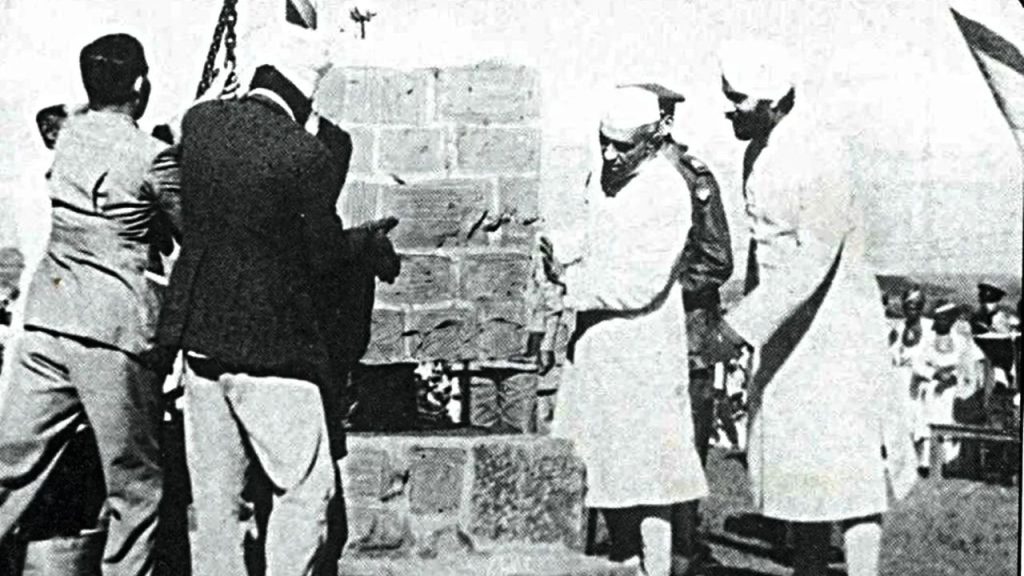
The cornerstone of the National Defence Academy was laid by India’s first Prime Minister, Jawaharlal Nehru, on 6 October 1949 at Khadakwasla, near Pune.
The Sudan Block in NDA was, hence, completed in 1954. The academy was formally inaugurated on 16 January 1955 as an important institution to train future officers of the Army, Navy and Air Force together.
On 30 May, 1959, the building was formally named the Sudan Block and inaugurated by Rahmatullah Abdulla, the then Sudanese Ambassador to India.
Why is Sudan Block in NDA Named After Sudan?
Now, you might wonder why the Sudan Block in NDA is named after Sudan. Well, there is an interesting story to it.
During the North African campaign of the Second World War, Indian soldiers fought alongside Allied forces in Sudan and neighbouring regions against the Axis Powers. Their bravery and service played an important role in the military operations in the region.
Recognising the courage and sacrifices of these Indian troops, the Sudanese government made a generous donation of £100,000 in 1941 (about Rs. 14 lakhs at that time) to Lord Linlithgow, the then Viceroy of India.
The contribution was intended to establish a war memorial in honour of the Indian soldiers who had served in the defence and liberation of Sudan.
However, after the Partition of India in 1947, the funds were divided between India and Pakistan. India’s share was subsequently used to help construct the National Defence Academy’s main building, which was eventually named the Sudan Block to commemorate the country’s contribution.
Significance of the Sudan Block
The Sudan Block in NDA is among the most recognisable landmarks of the academy campus. Its unique architecture, massive dome and distinctive stonework give it a commanding presence.
It is often said that the building resembles a giant field gun, which symbolises the Army. Similarly, other architectural elements of the academy’s central complex take inspiration from the Navy and the Air Force. Together, these reflect NDA’s purpose of bringing the three services together under one training system.
Interestingly, because of its name, the Sudan Block in NDA also serves as a lasting symbol of India-Sudan friendship. It stands as a formal recognition of the sacrifices made by the soldiers of one nation by another.
For generations of NDA cadets, therefore, the building remains a symbol of the academy’s identity and the values expected from future military leaders.

Final Thoughts
The Sudan Block in NDA is named after Sudan to recognize the country’s contribution of £100,000 in 1941 to commemorate Indian soldiers who fought in the Sudan campaign during the Second World War.
Today, it remains an enduring symbol of bravery, international friendship and the sacrifices that helped shape military history. Its story ensures that the connection between Indian soldiers and Sudan is remembered at the very institution where India’s future military leaders begin their journey.