

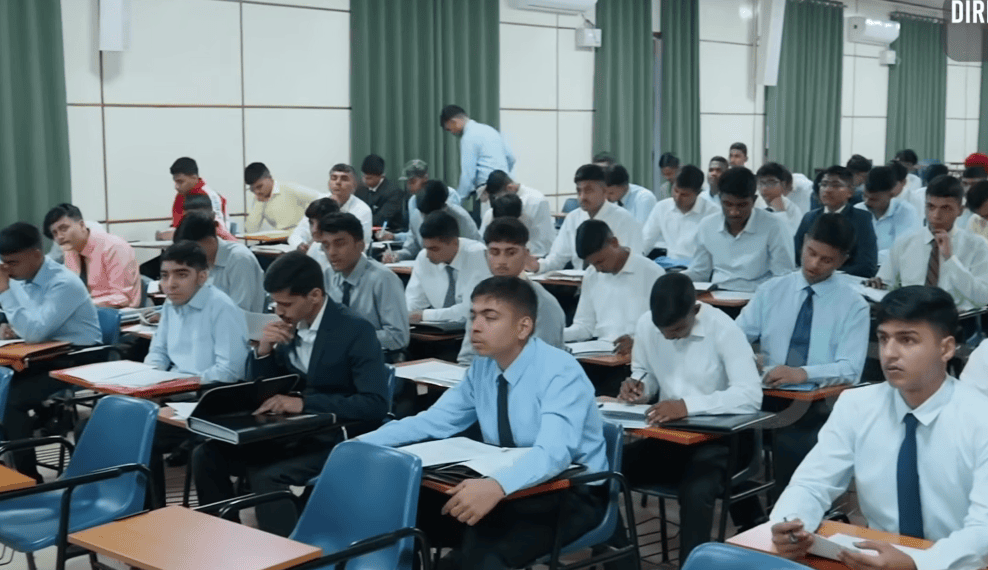
Before the actual SSB begins, all reporting candidates are subjected to a few tests to shortlist candidates for the next round. This is the first day at SSB and is popularly called the SSB screening. Since a lot of candidates are returned to their homes on this day, it becomes essential to understand how screening can be tackled easily.
What Happens in SSB Screening?
Screening is the first day of the SSB interview. All candidates report to their respective centre and undergo two sets of tests to get shortlisted for the next round of interview. This process is carried out to reduce the number of candidates to be assessed and make the process more efficient.
The SSB screening day is divided into two parts:
- Officer’s Intelligence Rating (OIR): This comprises two sets of verbal and non-verbal reasoning questions to solve within the given time.
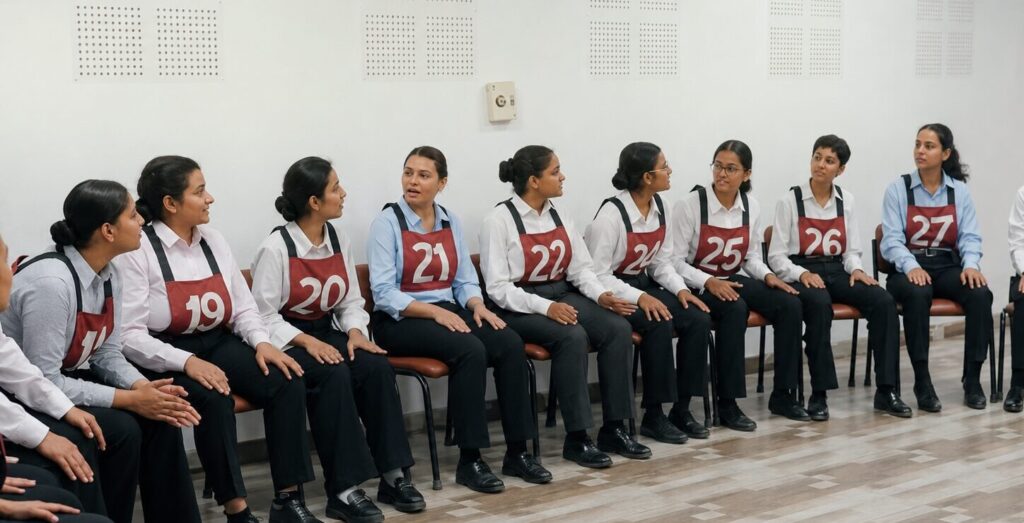
- Picture Perception & Discussion Test (PPDT): Here, a picture is shown for 30 seconds, and candidates write a story on it, which is later narrated and discussed to come to a common story.
All candidates who reflect adequate Officer Like Qualities or OLQs are screened in and the rest are returned to their homes after lunch.
Tips to Get Screened In
The screening tests begin after initial documentation of all candidates is finished. Cutting to the chase, let us now understand what makes SSB screening easy.
A solid OIR score
The first step is the OIR score. Always try to score well in OIR tests and get a ranking of at least OIR 1 or 2. This significantly increases your chances of getting screened in. You must practice reasoning questions at home and work on your speed everyday.
Also, on the day of SSB screening, if the questions seem similar, you are good to go. However, if they seem different, do not panic as they would be different for everyone in the room. Just attempt all questions as there is no negative marking.
Writing the story
Once OIR is finished, you will sit for PPDT. Here, the first step is to observe the image carefully and identify the following details:
- Number of characters
- Their probable age, mood, and sex
- Any unique element present (a book, a plough, etc)
Now, refrain from writing an obvious story for SSB screening. Remember that it is a long day for the assessors and to get screened in, you must be worth remembering. Always try to write a story that is unique, and include the unique element noticed as an action. For example:
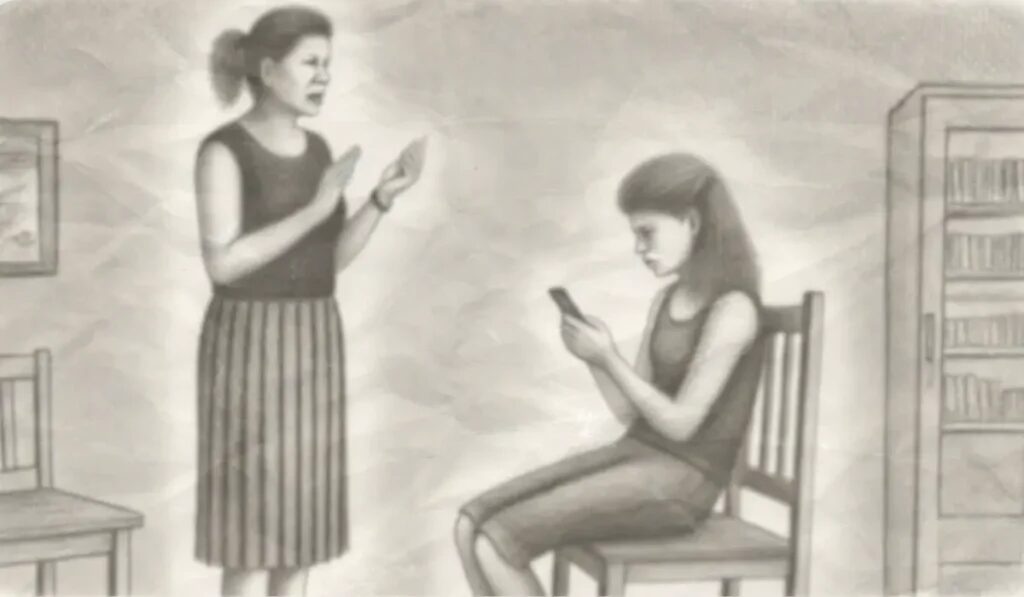
This image shows two women, one slightly older than the other. Here, the unique element is a phone that the girl is holding in her hands. A lot of candidates will write obvious stories about a mother scolding her daughter for using the phone a lot. But that is too obvious to get screened in. A rough outline would be:
Riya Shukla, 25, a student of Political Science at Miranda House, Delhi was at her home. While taking updates from friends over WhatsApp regarding their college assignment, she noticed that her mother looked tensed. Realising that she required a present for their neighbour’s birthday, Riya quickly surfed the Internet for options. Together, they shortlisted a photo frame and chose the right size based on her mother’s hand gestures. Riya checked all reviews, placed the order, and in a few days, the delivery arrived. She further helped her mother decorate the photo frame, personalized it using photographs, and wrapped it well. Finally, the present was gifted to the neighbour and Riya felt satisfied with her endeavour as she continued working on her assignment.
This story idea includes the unique element, and revolves the story around it. Furthermore, it briefly describes the picture and ends on a positive note. Writing a unique story in PPDT makes you stand out, and remembered after the discussion is over. So, always brainstorm ideas when you practice at home.
Narration and Discussion
After writing the story, you will be directed to the discussion hall. Keep revising your list of actions while you wait and be confident. Enter the hall with your head held high, sit comfortably, and narrate your story. You can use voice modulation, but avoid hand gestures.
Once done, listen to others’ stories or at least pretend to listen. During the discussion, if you feel your story was unique, defend it with logic. For the above story, you could say:
Since there was a phone-like element in the picture, and one woman was making hand gestures, we can assume that they are shopping for something online.
This gives the assessors the logic behind your thinking. If people agree, great. However, if they do not (which has a higher chance), forget your idea and start adding quality actions to the common theme. For this, the key is practice. Acknowledge others and contribute yourself. Lastly, if given a chance, narrate the common story and include the actions shared by other members. This will make SSB screening easy for you.
Final Thoughts
Remember that SSB screening isn’t a test of English grammar. The assessors are looking for your thought pattern and the OLQs. The idea is to stand out in a group of 15 to 20 individuals positively. Hence, following these tips until your next screening day will help you sail through the ocean of candidates that appear on the D-day.