


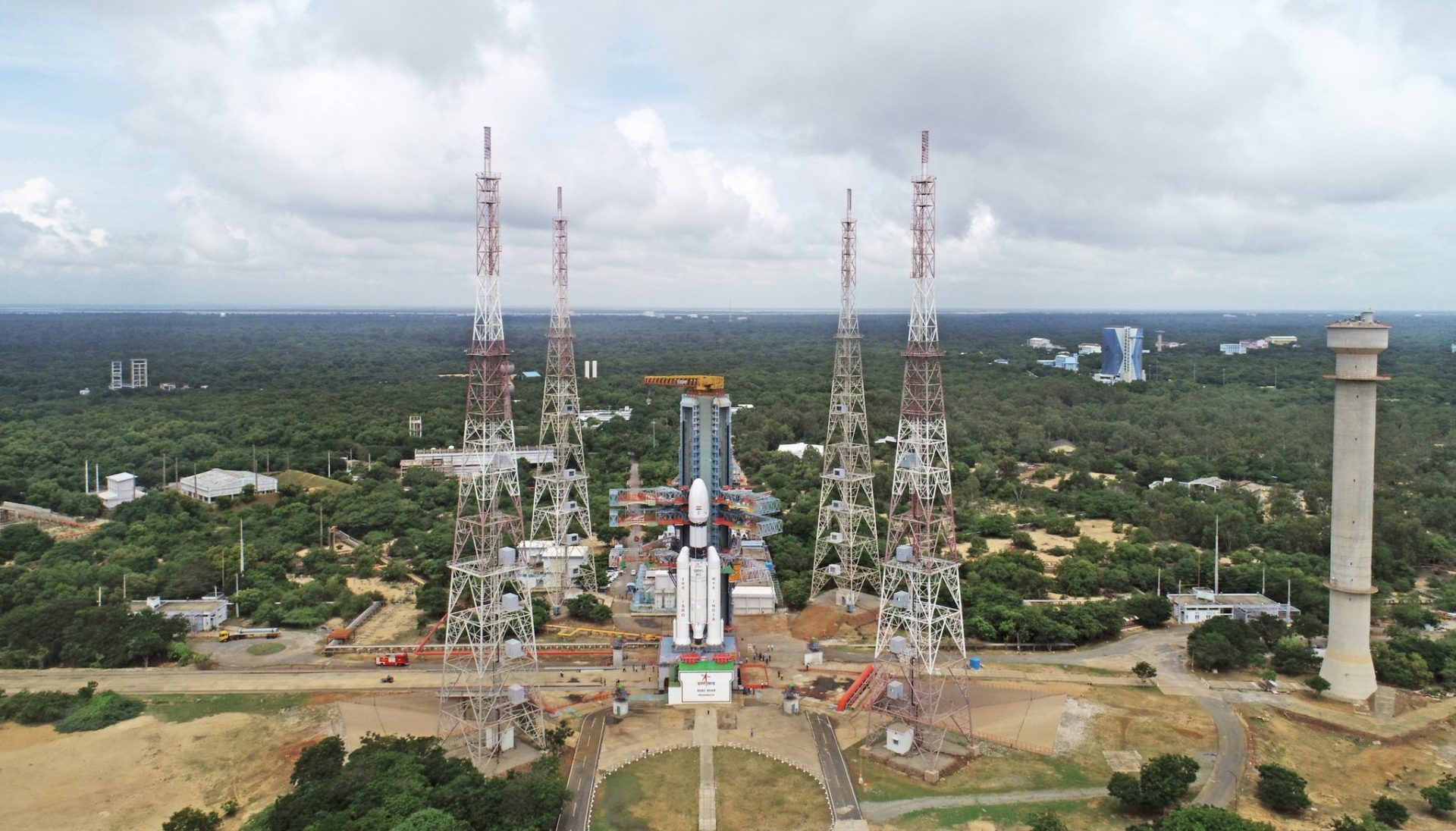
Modern warfare is no longer fought only on land, at sea or in the air. Now, space has emerged as a critical battlefield, and the Indian Air Force realizes the same. Hence, it has received its second military satellite, the IAF GSAT-7C satellite.
This satellite is essential for providing communication, surveillance and real-time intelligence to military forces. Today, we tell you exactly what the IAF GSAT-7C satellite is, and its importance in space warfare.
Lessons From Russia-Ukraine War
The ongoing Russia-Ukraine War has clearly demonstrated how modern militaries depend on satellite communication for their different needs. One such incident happened in February 2022, when shortly before Russia launched its full-scale invasion, a cyberattack targeted the Viasat satellite communication network. This disrupted several terminals and affecting Ukraine’s military communications.
This was a clear sign for militaries across the world. The underlying idea was that the efficient working of drones, fighter aircraft, missiles and air defence systems requires reliable data which is can only be provided by satellites.
Hence, India also recognised the growing importance of space in modern warfare. This was also evident during the 2025 Operation Sindoor, where concerns about Pakistan receiving information on Indian deployments from China made it to the headlines. Therefore, India had to invest in the IAF GSAT-7C satellite.
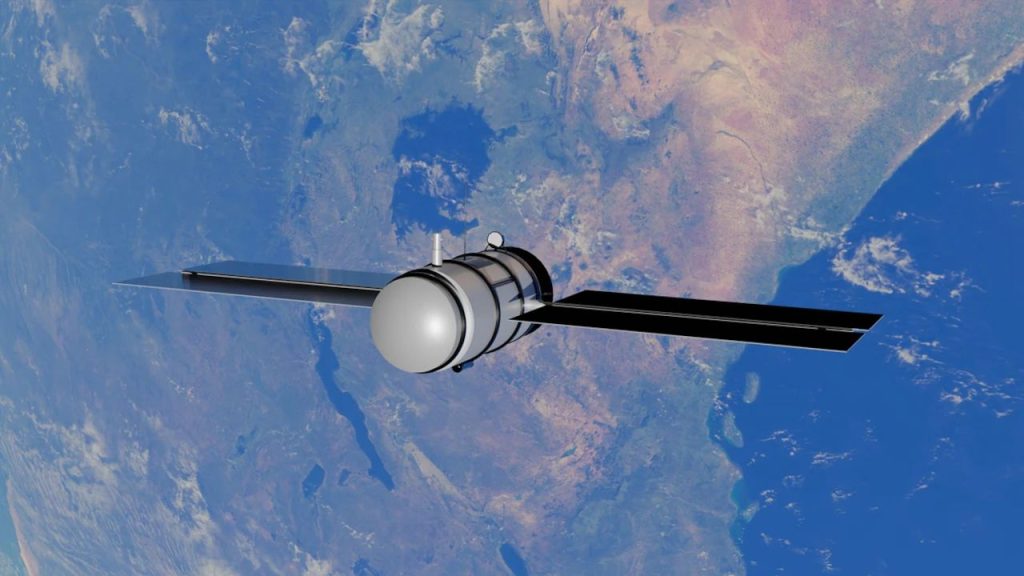
IAF GSAT-7C Satellite
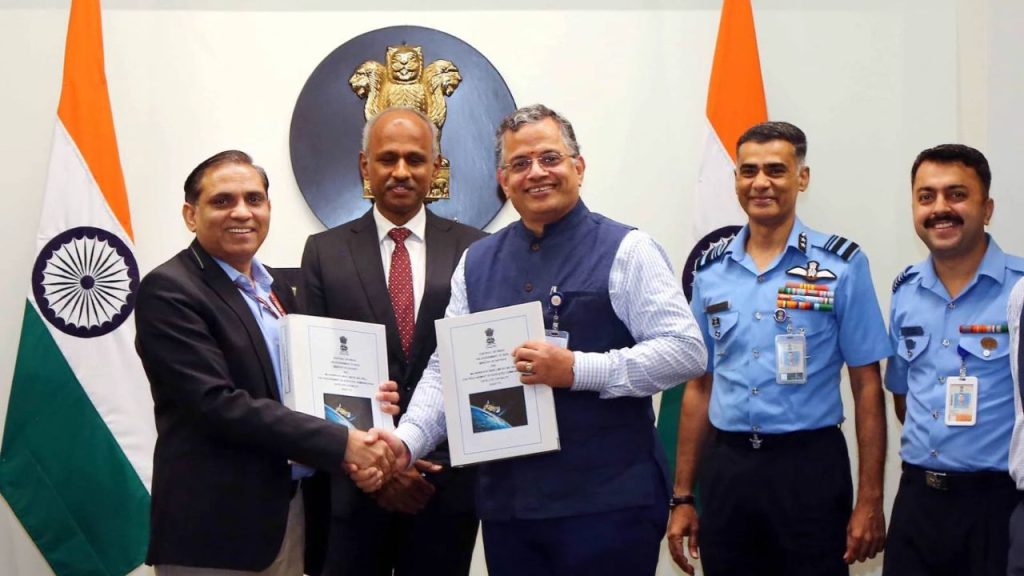
To strengthen its military communication infrastructure, the Ministry of Defence has signed a contract with NewSpace India Limited (NSIL), which is the commercial arm of the Indian Space Research Organisation (ISRO), for the IAF GSAT-7C satellite.
According to official sources, ISRO will design, build and launch the satellite in India, adding to our efforts towards “Aatmanirbharta” by building indigenous defence technology.
The Indian Air Force military satellite will provide the following facilities to the Indian Air Force:
- Secure communication facilities
- Encrypted voice, data and video transmission between airbases, radar stations and aircraft operating in the air
- Support to ground hubs for radios developed by the DRDO
These radios are capable of changing their operating frequencies through software and will help the IAF with its communication systems to respond to enemy jamming effectively.
In short, the IAF GSAT-7C satellite will improve coordination between aircraft and ground-based command centres, which will especially be instrumental in addressing security concerns over difficult terrain.
How IAF GSAT-7C Satellite Will Strengthen the Force?
Now, you might wonder how the IAF GSAT-7C satellite will strengthen the air power. At present, most of the Indian Air Force’s communication relies on what we call line-of-sight radio systems. These systems, however, have limitations due to mountains and other physical obstacles, which can interrupt signals between aircraft and ground stations.
This challenge becomes detrimental to the forces because of the northern and eastern frontiers where majority of our security concerns are based. This is where satellite communication via the second military satellite of IAF comes to the picture.
To cite an example, a Su-30MKI fighter operating over the Eastern sector and a Netra Airborne Early Warning and Control (AEW&C) aircraft operating in another direction could benefit from improved connectivity and information sharing via the satellite.
The IAF GSAT-7C satellite will join GSAT-7A, which was launched in 2018 as the first military satellite. The latter provides dedicated satellite communication support to the IAF currently. This twin capability will enable the Indian Air Force to use its drones, sensors and networked military platforms more effectively.
Also, having access to two dedicated satellites will reduce the unnecessary dependence on a single communication platform.

Countering China
One thing that we all would agree to is China’s growing space capabilities. The country has been expanding its footprint in space with the launch of numerous satellites for purposes such as surveillance and communication, spiking the need for India to strengthen its military satellite infrastructure.
Similarly, China is also developing large satellite constellations that are expected to provide connectivity to the commercial low-Earth-orbit networks such as Starlink. Hence, the development of the IAF GSAT-7C satellite is seen as a step in the right direction.
India understands that satellites could be the first elements to be targetted during war to bust communication networks, hence, it is not just working to use space-based assets but also protecting them against any unwanted interference.
Final Thoughts
The introduction of the IAF GSAT-7C satellite is an essential step towards bolstering India’s space-based defence infrastructure. Secure communication, better coordination and increased redundancy will help the IAF address major challenges and operate effectively in modern warfare. Therefore, this military satellite is just the beginning.