


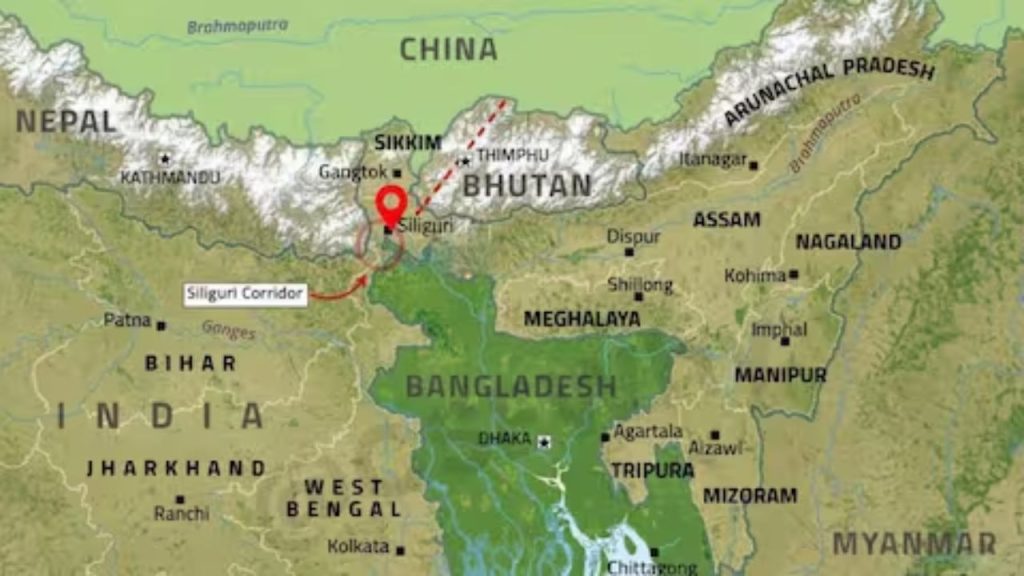
If you will look at India’s map, you will realize that a very thin strip of land connects the mainland to the north-eastern side of the country. This strip is called the Siliguri Corridor or the “Chicken’s Neck” in geopolitics. Owing to its vulnerability as well as strategic significance, India is working on strengthening the roughly 22-kilometre wide strip.
Today, we elaborate on what the Siliguri Corridor is, how it benefits India, and the steps being taken to solidify this into a fortress.
Significance of Siliguri Corridor
The Siliguri Corridor lies between Nepal and Bangladesh, with Bhutan to its north. It is a narrow strip of land which has a width of 22 kilometres and a length of about 60 kilometres.
It is called “Siliguri” because the city is the largest and most important one in the region. Due to this, we can consider the following significance of India’s Chickens Neck:
- Links mainland India to its North-East
- Allows rapid deployment of troops
- Lies at the junction of international borders
- Close to Chumbi Valley where the 2017 Doklam standoff occurred
- Keeps the economy and other activities of the North-East and its people running
- Houses critical infrastructure like roads, bridges, et cetera
Clearly, the Siliguri Corridor isn’t just any other geographical section. Hence, the Government of India is seeking to strengthen this place with the changing circumstances. Let us look at each of these steps now.
Building Underground Military Infrastructure
As per credible sources, the first step is building underground military infrastructure in the Siliguri Corridor.
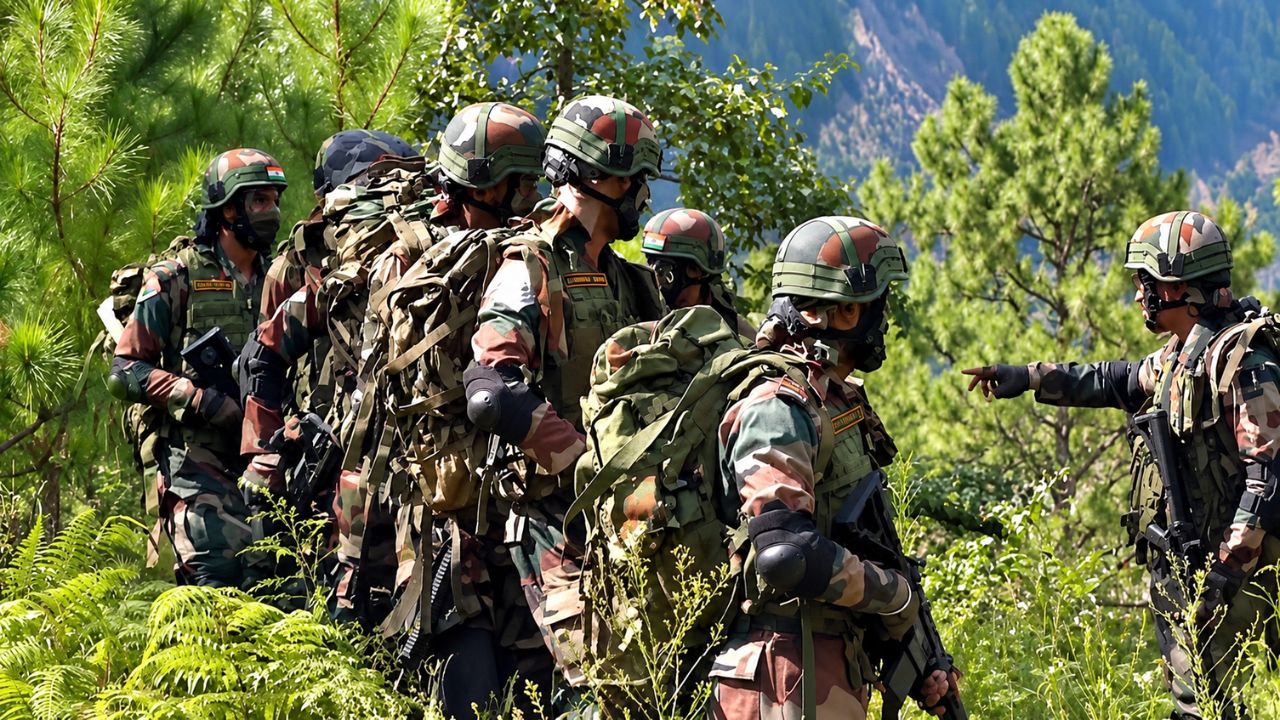
For this purpose, the Indian Army plans to have an underground ammunition storage for all of its air defence units as well as the Smerch multiple rocket launchers. This is inclusive of 21 surface firing positions for the rocket systems.
Apart from missiles, the Chicken’s Neck will also witness various underground command and communication facilities, along with bomb shelters and new military stations. But why is it all happening underground? This is for two reasons:
- Ammunition depots, command centres and other fixed installations of any military can be easily identified and destroyed through intelligence and surveillance by the enemy.
- Dispersing facilities on limited ground is quite difficult and calls for easy targeting as well as a congested landscape.
Hence, the Indian Army has decided to move all its critical assets in the Siliguri Corridor underground.

Boosting Connectivity Via Roads
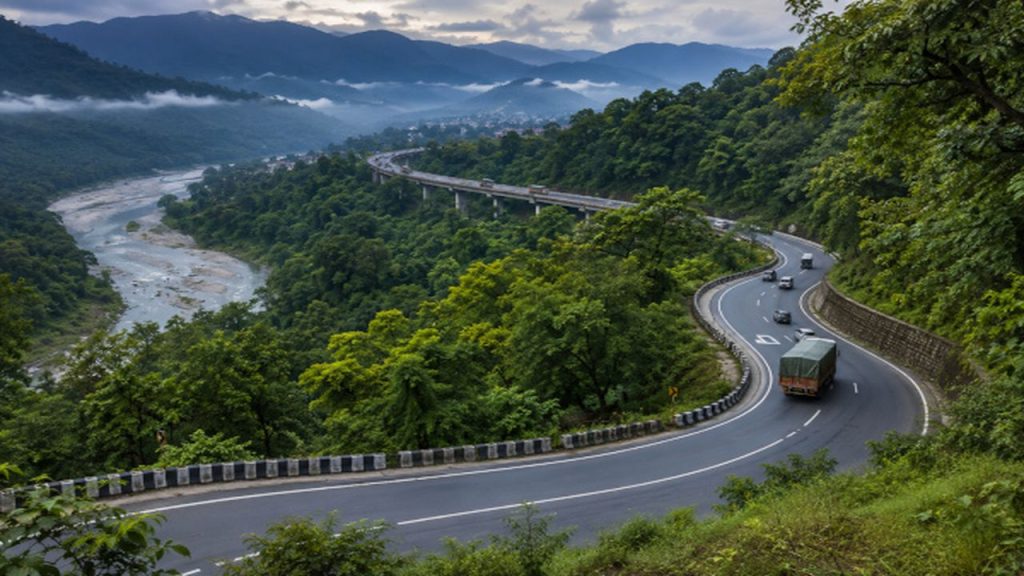
All-weather roads that ensure connectivity to the North-East via the Siliguri Corridor is also of utmost relevance to the Indian Army. Thereby, the plan of building roads and railway networks. This includes three elements:
- Railway Projects: An underground rail tunnel and doubling of important railway lines around Siliguri and New Jalpaiguri.
- Roadways: A six-lane Gorakhpur-Siliguri Expressway, a ring road around Siliguri and a new six-lane bridge over the Teesta river.
- Highways: Upgrading the Sevoke-Rangpo section of NH-10 in Sikkim to accommodate heavy military vehicles.
The idea behind this is fairly simple: If you do not have the necessary infrastructure to commute to and fro, there is very little use of deploying assets in the region.
Bolstering Defence Through Missiles
But, India does not delve on the philosophy of attacking someone without having a reason. Hence, defence becomes an essential part of its plan to strengthen the Siliguri Corridor.
Currently, the region comprises a range of air defence and missile networks, along with the Rafale which operates from Hasimara in West Bengal. Not to miss out on the BrahMos, which is a game-changer.
These facilities will build deterrence against the enemy along with projects such as the Kaladan Multi-Modal Transit Transport Project for additional connectivity to the Northeast through Myanmar, thereby, reducing dependence on a single land corridor.
Final Thoughts
For years, the Siliguri Corridor was viewed as a geographical vulnerability because of its narrow width and location near the international borders. However, today, India is rewriting the narrative strengthening its underground military infrastructure, building air-defence and enhancing connectivity. The success of this plan will ultimately depend on a range of factors such as the effective use of military preparedness, infrastructure and multiple supply routes.