

The Light Combat Aircraft (LCA) Tejas is one of India’s most ambitious indigenous defence projects, developed to strengthen the Indian Air Force. The Tejas aircraft represents India’s efforts to reduce dependence on foreign fighter aircraft and build its own advanced aerospace industry.
However, despite significant technological progress, the delivery of the advanced Tejas Mk1A variant has faced substantial delays. Today, we tell you exactly what the Tejas aircraft is, its key features, and reasons for delay in its delivery.
Key Features of the Tejas Aircraft
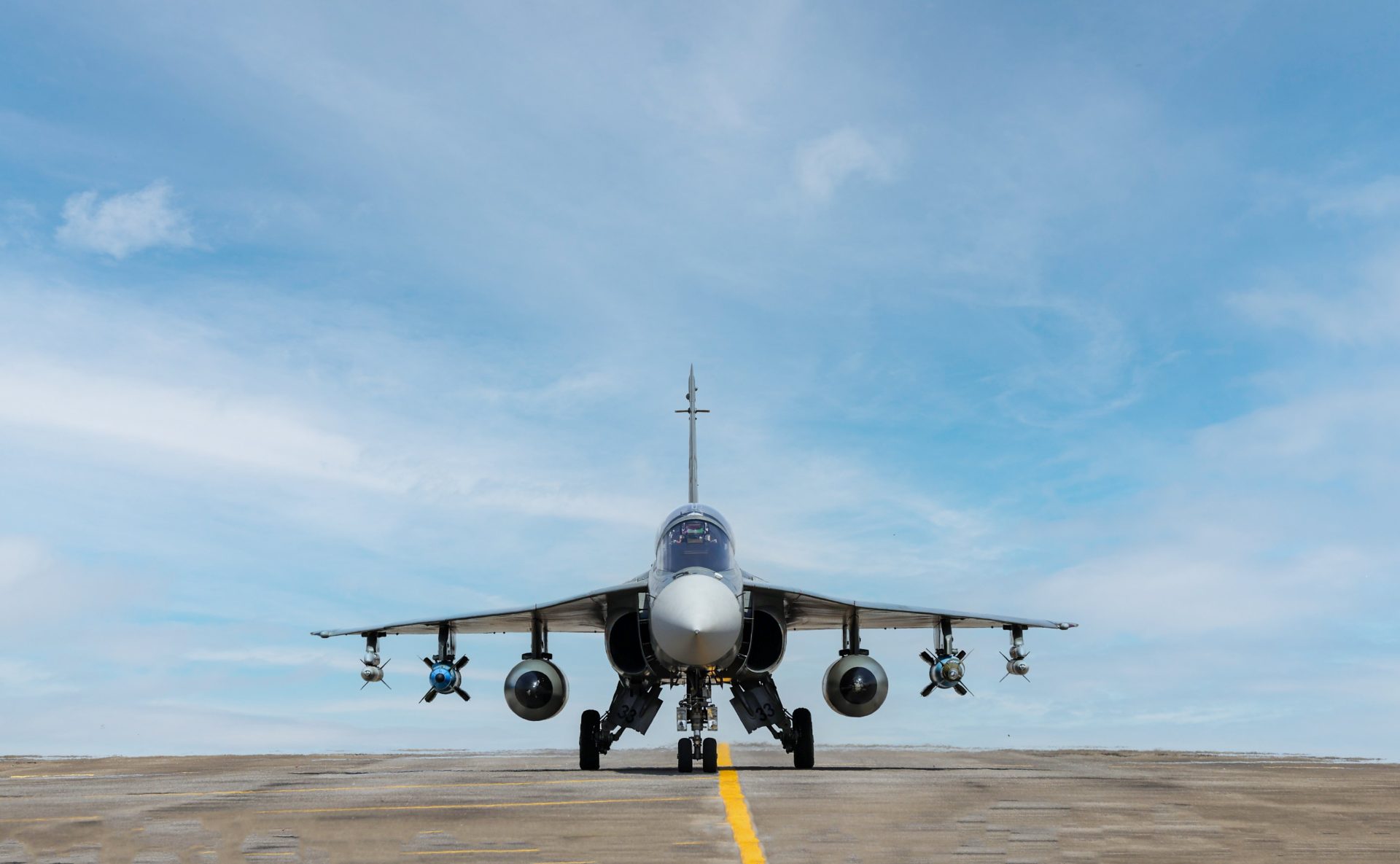
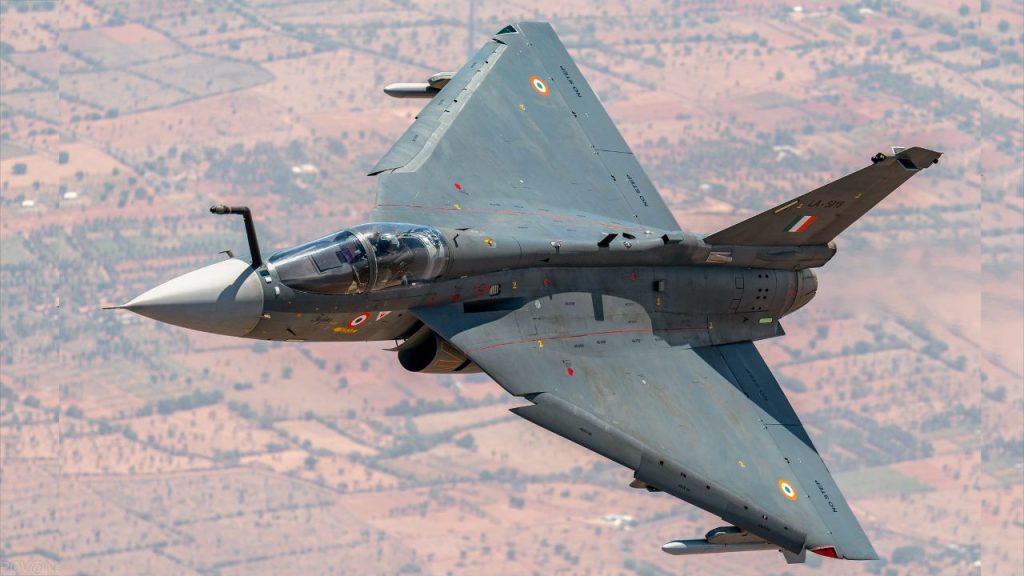
It is a 4.5-generation, single-engine, multirole combat aircraft designed by the Aeronautical Development Agency, along with Hindustan Aeronautics Limited. It can perform air defence, close combat and ground attack missions due to its compact design and lightweight airframe.
The key features of the Tejas aircraft include:
- Maximum speed: Approximately Mach 1.6
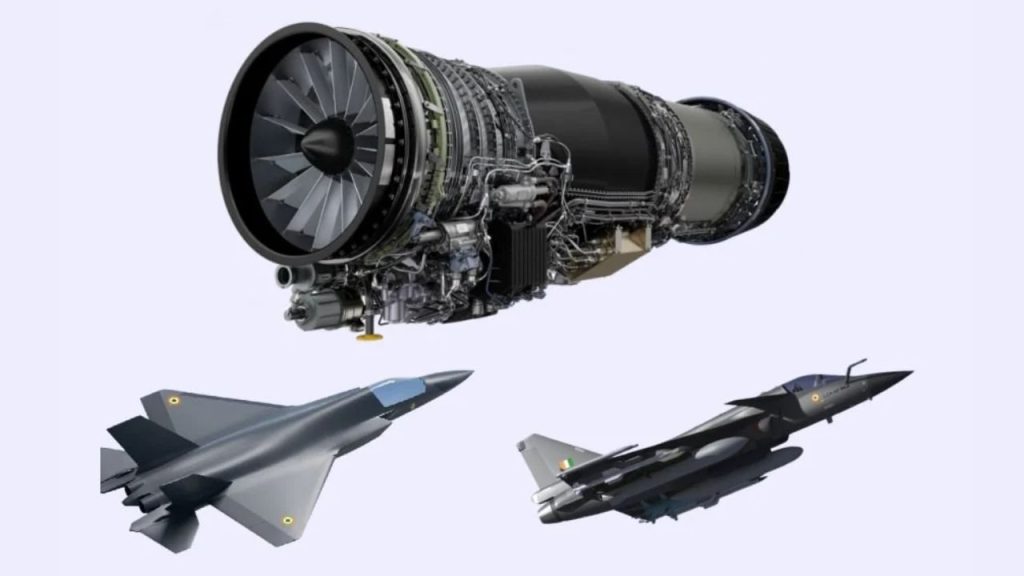
- Engine: General Electric F404-IN20 turbofan engine in the Mk1 and Mk1A variants
- Combat capabilities: Air-to-air combat, ground attack and maritime operations
- Fly-by-wire controls: An electronic flight-control system that helps manage the aircraft’s handling and stability
- Indigenous development: Designed and manufactured in India, with a combination of domestic and imported systems
Additionally, the Tejas Mk1A comprises an Active Electronically Scanned Array (AESA) radar, an enhanced electronic warfare suite and improved avionics. These upgrades are aimed at improving the situational awareness, survivability and combat effectiveness of Indian Air Force pilots.
Importance of Tejas Aircraft for the IAF
The Tejas programme is particularly important because the Indian Air Force needs to strengthen its fighter fleet and replace ageing aircraft over time. Delayed deliveries make it harder to introduce new aircraft according to planned schedules.
Tejas aircraft also supports the government’s Aatmanirbhar Bharat initiative by developing domestic expertise, creating opportunities for Indian suppliers and reducing dependence on foreign manufacturers. The knowledge gained through the programme can support future projects, including the Tejas Mk2 and the Advanced Medium Combat Aircraft (AMCA).
However, indigenous development does not mean complete independence from foreign technology. The reliance on imported engines demonstrates why India must continue developing domestic capabilities while maintaining reliable international partnerships.
Why Is the Tejas Mk1A Delayed?
Now that we know the basics about Tejas aircraft, let us understand why its Mk1A version stands delayed. The delay in Tejas Mk1A deliveries is not due to a single problem; rather several interconnected factors have affected the programme.
Delays in GE Aerospace Engine Supply
One of the most significant reasons is the delayed supply of F404-IN20 engines by American manufacturer GE Aerospace. HAL requires these engines to complete Tejas aircraft assembly and prepare the fighters for delivery to the Indian Air Force.
Engine deliveries fell behind schedule because of supply-chain difficulties and production-related constraints. In September 2026, HAL reported that it had prepared 27 Tejas Mk1A airframes, while deliveries remained dependent on completing outstanding requirements.
Complex Testing and Technology Integration
A modern fighter aircraft’s radar, flight-control software, electronic warfare systems, communications equipment and weapons must function together reliably.
The Mk1A version of Tejas aircraft incorporates upgraded systems that require integration, verification and testing. Radar performance and missile integration are particularly important because the aircraft must meet demanding operational and safety standards before acceptance by the IAF.
Production Capacity and Supply Chain Constraints
Manufacturing a fighter like the Tejas aircraft at scale requires specialized machinery, trained personnel, precision components and a reliable network of suppliers. Increasing production rates while maintaining quality is a major industrial challenge.
India’s aerospace industry has expanded considerably, but scaling up production of a complex combat aircraft remains demanding. Delays in even a few critical components can disrupt the entire assembly schedule.
Challenges in Indigenous Aircraft Development
The Tejas aircraft programme involves developing and integrating sophisticated technologies in India while building domestic expertise in fighter aircraft design and manufacturing.
The government has previously identified technological complexities, shortages of skilled manpower, limited testing infrastructure and restrictions on access to critical foreign technologies as factors affecting the wider LCA programme.
Coordination Between Manufacturers and the IAF
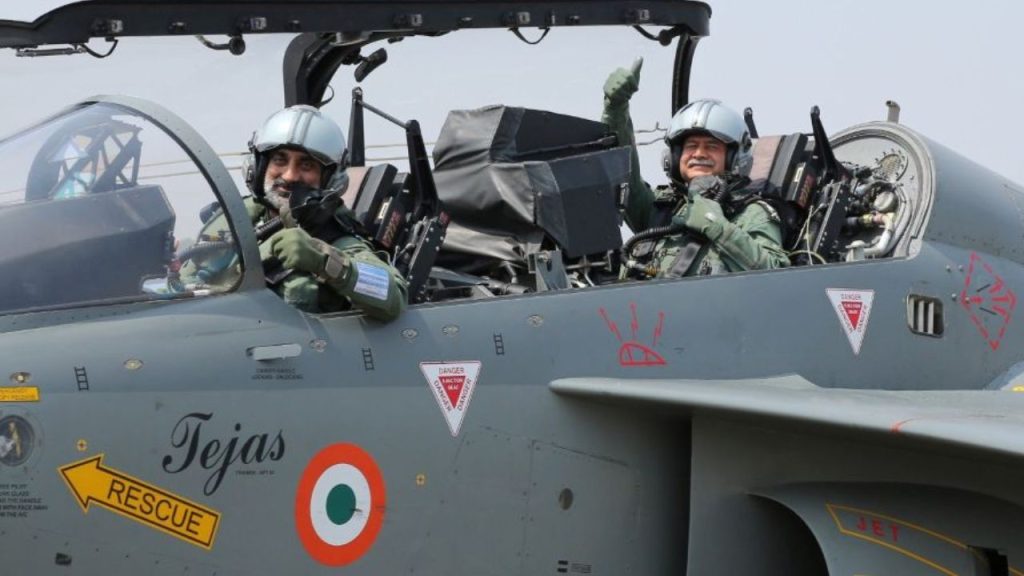
HAL must coordinate with the IAF, DRDO, ADA and several domestic and international suppliers. Aircraft specifications, testing requirements and acceptance procedures must be met before a fighter can be formally delivered.
Although HAL has made progress in preparing the Mk1A airframes, completing the aircraft and handing it over to the IAF are two different milestones. Delays in one part of the process can affect the entire programme.
Final Thoughts
The Tejas aircraft is a significant achievement in India’s journey towards defence self-reliance. Its advanced avionics, multirole capabilities and indigenous design make it an important asset for the future of the Indian Air Force.
Nevertheless, delays in Tejas Mk1A deliveries highlight persistent challenges involving engine supplies, system integration, testing and industrial capacity. Ultimately, addressing these issues will require stronger supply-chain management, improved production planning and continued investment in indigenous aerospace technology.