

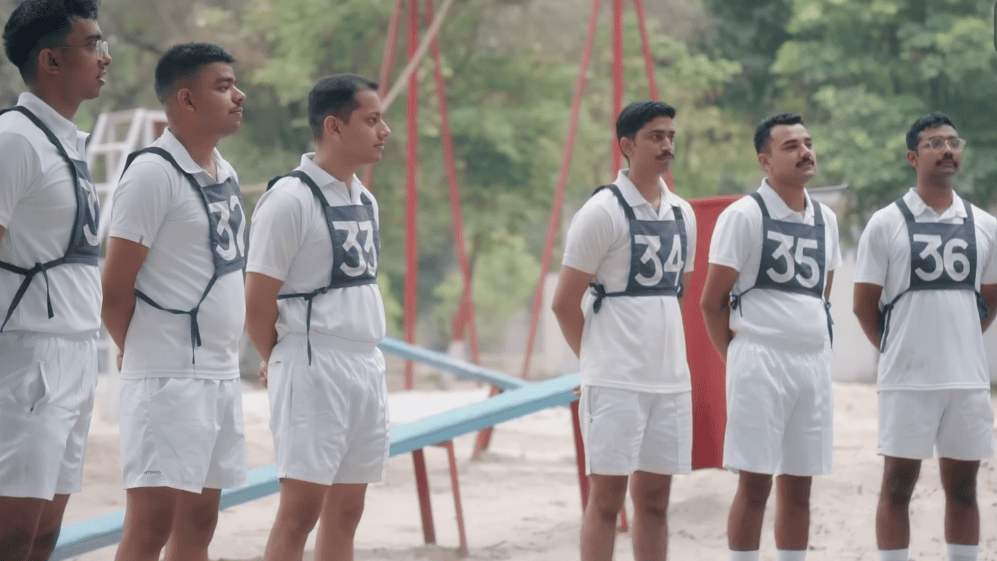
Two days of the five-day SSB interview are dedicated to the group tasks. Candidates are divided into smaller groups and subjected to nine tasks over two days. This speaks about the importance of GTO tasks assessment in SSB. However, since he is a silent observer, a lot of times we do not understand what the GTO observes in us. Today, we delve into this idea.
What are GTO Tasks?
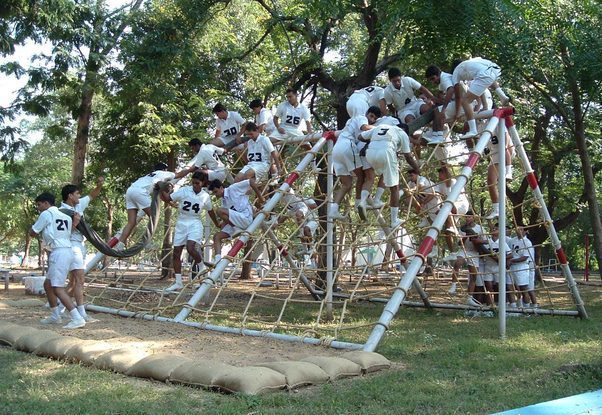
The GTO tasks are a set of nine tests that candidates undergo over two days to showcase their Officer Like Qualities or OLQs. The Group Testing Officer or GTO observes the behaviour of candidates in a group because the Armed Forces nurture on the spirit of team effort. Those who work harmoniously tend to do much better than the dominant ones. The nine GTO tasks are as follows:
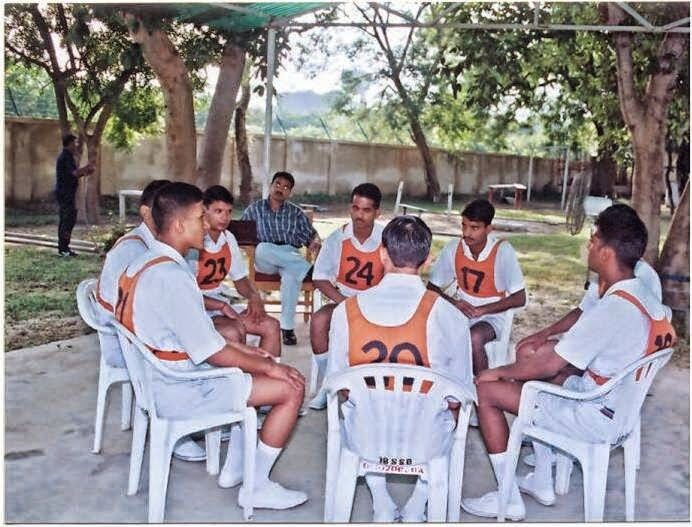
- Group Discussion
- Group Planning Exercise
- Progressive Group Task (PGT)
- Group Obstacle Race (GOR) or Snake Race
- Half Group Task (HGT)
- Lecturette
- Individual Obstacles
- Command Task (CT)
- Final Group Task (FGT)
Common Myths About GTO Tasks Assessment
As shared above, the GTO tasks assessment is essential to assess how candidates perform in a group. A lot of candidates, however, believe in certain myths that they’ve read on the Internet and reduce their chances of getting recommended.
Myth I: Physical strength is the primary criterion
Since GTO tasks assessment happens on ground, many candidates feel physical strength is what would make them noticeable. So, they hit the gym and pump up muscles. But, this is far from the reality. While being physically fit is a plus point during GTO tasks, the real test is of group dynamics. The more you cooperate, the more likely you are to do well.
Myth II: Bad performance in one task spoils everything
One bad task often spoils our mood and spirals us into the loop of being doomed. It’s natural human behaviour. However, this isn’t how SSB works. Your final result is a culmination of your performance on all three days. Hence, if you perform slightly lower in a task, do not lose spirit.
Myth III: Speaking the most works in my favour
Unfortunately, it does not. I have seen very well-versed candidates getting conference out, and the silent ones getting recommended because the former dominated. Having knowledge is good, but knowing how to utilize it is better. Speaking everything that you know, without listening to others is a sure shot ticket to the nearest railway station after the conference!
GTO Assessment: What the GTO Observes in Candidates?
The GTO is a silent observer, and being like him is not easy. This assessor examines six to ten candidates simultaneously, and picks only those with the desired qualities. Hence, it becomes important to know what the GTO observes in candidates and prepare likewise.
I. Group dynamics
We all have that one person in our group who acts like Superman and doesn’t let anyone speak or do anything. The GTO tasks assessment focuses on such people naturally. Remember that the nine tasks are not to pick the most dominant person. Hence, the GTO assesses how you behave with your group members.
Some common unwanted behaviours during GTO tasks are:
- Speaking after every two minutes in the GD, and refuting others’ points
- Crossing all obstacles in GOR without helping the slow members
- Pushing through your idea in GPE as the right one
- Not letting others give solutions to structures in PGT/HGT/FGT
II. Approach to each task
The GTO assessment is also focused on your approach to each task. He sees how you behave when your point is not accepted, or when you don’t know the solution. Do you take credit for others’ solutions or give up easily? Once you make it into the Armed Forces, you’ll be facing several stresses and remaining calmly involved will be the best option.
If you cannot come up with a solution to an obstacle, maintain high spirits and let others help you. Avoid falling back on the chair or making faces if people do not agree to you. Stay involved at all times.
III. Initiative
During GTO tasks, he is interested in knowing if you act without being told. When the GD starts, at what position do you speak or do you consciously avoid heighted individual obstacles like tiger leap or Tarzan swing? Taking initiative is the most important step to emerging as a true leader, hence, always try to be the first one to help or share your views.
For instance, if you’re in the middle of individual obstacles, try attempting those obstacles which you’re afraid of. You may not be able to take the best leap or balance yourself but failing after trying is better than never trying at all.
IV. Consistent performance
Consistency is a non-negotiable quality in SSB, and you must also showcase it. The GTO assesses if you are you your best version in the first four confirmatory tasks and a reserved person in the remaining ones? It is really important to give your 100% in every task and contribute well.
Do not be very serious in the GD and overly enthusiastic in the command task because this raises doubts. The idea is to be the same person throughout the GTO tasks for selection.
Common Mistakes to Avoid in GTO Tasks
Now that we have an idea about the common things that make up the GTO tasks assessment, let us delve into the common mistakes you can avoid during your group testing:
- Dominating fellow groupmates
- Not speaking at all
- Looking at GTO before each action
- Breaking GTO rules frequently
- Pretending to be someone you’re not
- Giving up easily
Remember that the GTO never remembers the fittest or smartest candidate in the group. He only remembers the consistent ones. Hence, build a pattern and always stick to it.