

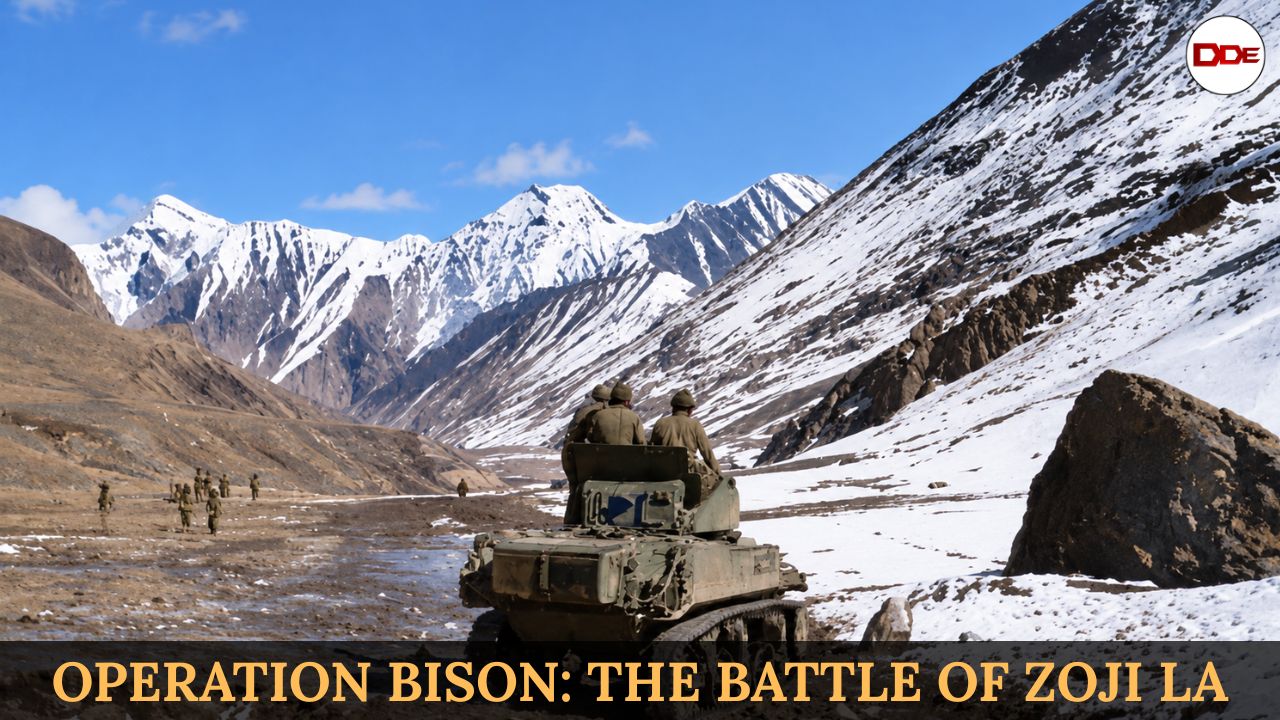
Impossible is a word that does not exist in the dictionary of the Indian Army, which is evident in its many operations over the years. While we know major assaults by these warriors, not many people know about the 1948 Operation Bison. This unbelievable operation involved leading a tank assault against the enemy at chilling temperatures.
If you are a defence enthusiast, you must know about Operation Bison, also known as the Battle of Zoji La, which is the perfect example of state-of-the-art engineering and strategy.
Importance of Zoji La
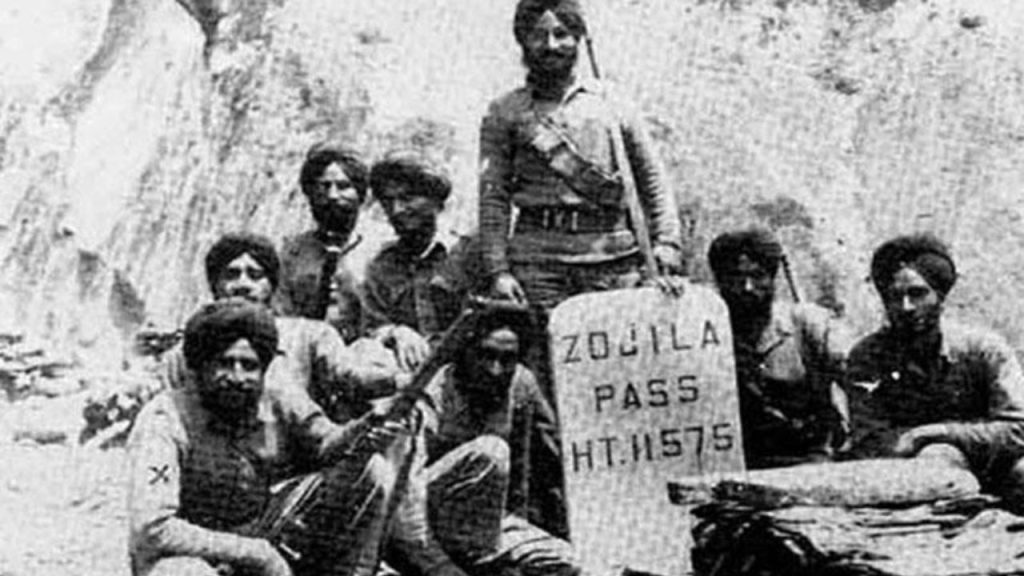
Before we build on Operation Bison, we must know about the territory where it took place. Zoji La is a mountain pass in India, situated in the Ganderbal district of Jammu and Kashmir and the Kargil district of Ladakh. It connects the Kashmir Valley to Ladakh and is at an altitude of over 11,500 feet.
For India, in 1948, Zoji La was not just a mountain pass but also a strategic position. Its existence would keep Ladakh insulated from the violence in Kashmir by the enemy. Hence, the men in olive greens took charge to take its control.
However, while the idea was practical on paper, one pressing question stretched the mental horizons of many, “How would you capture a mountain pass where the enemy has the advantage of altitude?” This is where planning was required.
Operation Duck
Once the question was clear, the Indian side decided to lead its initial assault under Brigadier Hiralal Atal. This assault was named Operation Duck and the plan was to forcefully enter the pass with the help of artillery and air support. The 77 Parachute Brigade left no stone unturned in achieving its goal but fell short of it.
The problem was not stemming from their strategy or military prowess rather the geographical terrain that favoured the enemy. The Indian Army leadership now realized that having more numbers was not going to work and this is when Operation Bison was born as a turning point in the Battle of Zoji La.
Planning of Operation Bison
Operation Bison was a military marvel led by the Indian Army as part of the Battle of Zoji La in 1948. When Pakistan-backed lashkars entered Jammu and Kashmir with their fantasy of occupying the territory, they also captured Dras and Kargil in Ladakh. However, the Indian troops ensured that this fantasy remained an unfulfilled one for them even to the peril of their lives.
Just when Operation Duck had failed, Major General K.S. Thimayya, DSO, came up with an idea that nobody could anticipate. He realized that to destroy the enemy fortifications, the Indian Army required tank support. This was because tanks could advance even under fire and devastate the enemy.
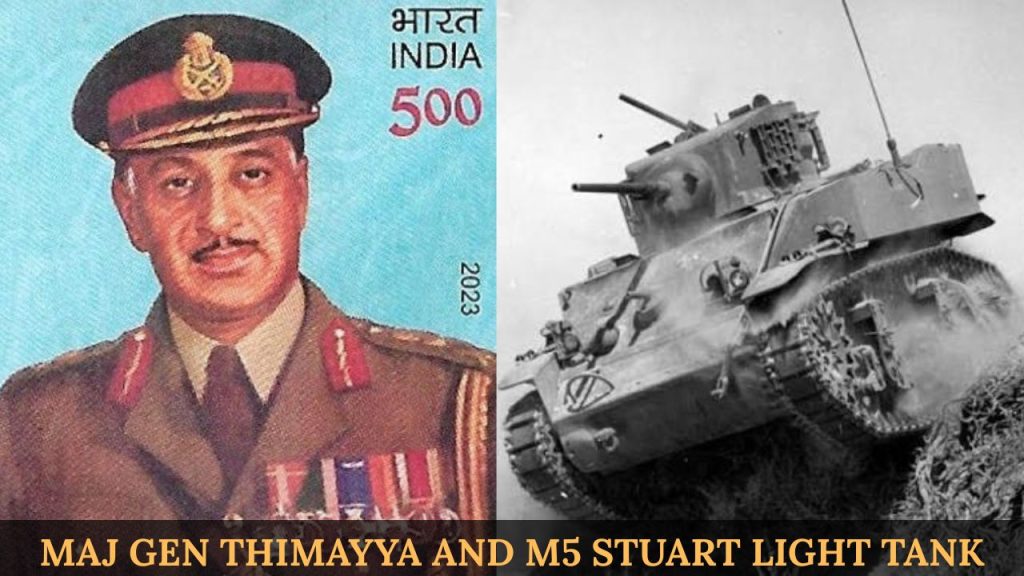
But how would you take tanks at a place where even human beings moved with difficulty? Yet. Major General Thimayya took the bold move and chose M5 Stuart Light Tanks of 7 Cavalry. The idea was to dismantle these tanks and carry them through the terrain with the help of the Madras Sappers.
The Treacherous Terrain
You might wonder what role did the Madras Sappers play in Operation Bison when it was an infantry-led operation. The answer lies in the treacherous terrain of the Zoji La pass. The pass comprised:
- Narrow roads and tracks for movement
- Frail bridges
- Steep gradients
- Unstable ground to stand on
- Limited manoeuvrability
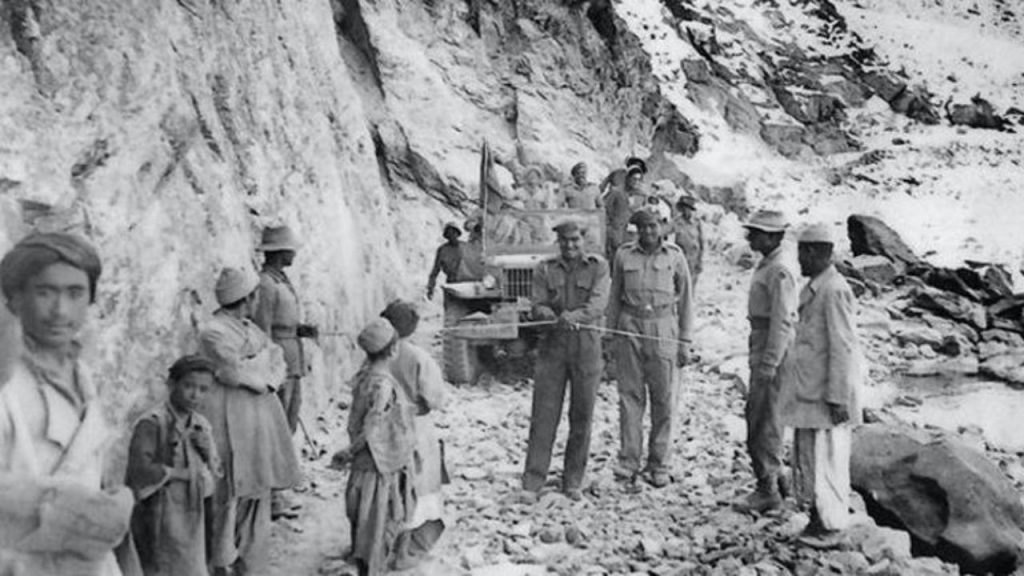
Hence, the Madras Sappers came into the picture. As you may know, the Madras Sappers are part of the Corps of Engineers, so their role was to improve the existing terrain for easier movement of the troops.
The entire construction took place in absolute secrecy, which ensured that the enemy could never anticipate tanks, which were often referred to as “camouflaged jeeps” during communication, under Operation Bison. It would not be wrong to say that without the Engineers’ support, the Battle of Zoji La would not have succeeded easily.
The Tank Assault
After humungous effort that spanned day, the India troops had solidified their plan and Operation Bison was ready to take the lashkars by surprise. While the assault was planned for 20 October, the snowy weather postponed the plan till 1 November as a test of patience.
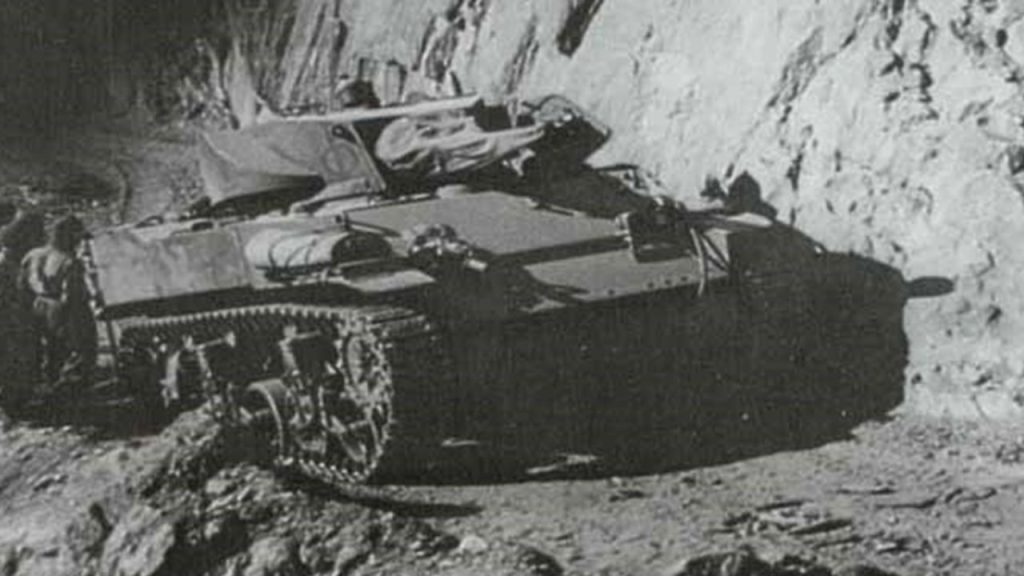
Finally, on the D-day, the infantry led its assault against the enemy, who had to welcome a guest it had not prepared for: M5 Stuart Light tanks. These were not just vehicles, but a surprise element which put them at the defeating end of the battle.
The joint effort of armour, infantry, artillery and air support accompanied by tanks did the impossible and etched the name of Operation Bison as one of the most exceptional military operations of the world. The enemy was driven out completely and the victory boosted the morale of our soldiers.
Final Thoughts
Once Zoji La was captured, the Indian Army continued to defend other parts of our occupied territory and dragged the perpetrators with force. The Operation Bison under the Battle of Zoji La lives on as the perfect combination of engineering improvisation, military strategy, and doing the extraordinary.
Military operations are not just stories that we read but also lessons that we can imbibe as individuals. If you have an Indian military operation that you would want to share or know more about, do let us know here because brave stories inspire generations to come.