



Stop everything you are doing! Put exactly five minutes of your undivided attention, because what I’m about to tell you will change how you look at CDS Preparation forever.
First, we understand and formulate a path. Let us look at all three papers one by one.
- CDS Paper 1 General English
- CDS Paper 2 General Knowledge
- CDS Paper 3 Mathematics
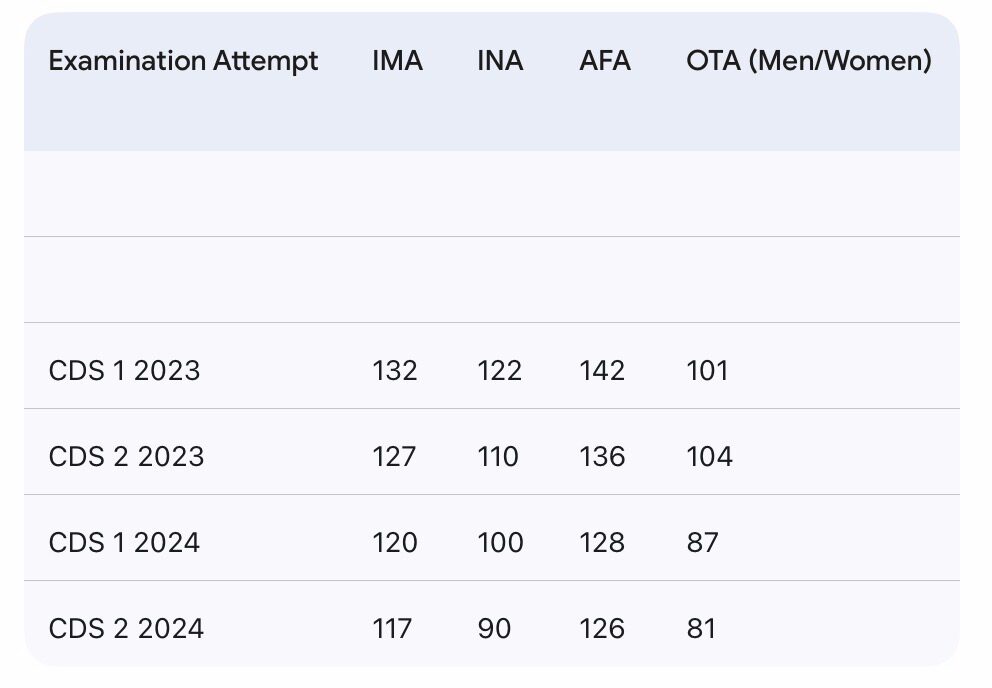
Glance at the Cut off marks (Passing marks) for different attempts. Marks below are total of 3 papers, except OTA which is total of first two papers only. If you have confusion and are new to this, Click here to understand better
If you already know about preference of IMA, INA, AFA & OTA in CDS exam and different papers required for each academy then let’s go ahead!
These are official cut off marks, quickly glance at numbers.
Now, this is the latest official cut off marks for 2025.
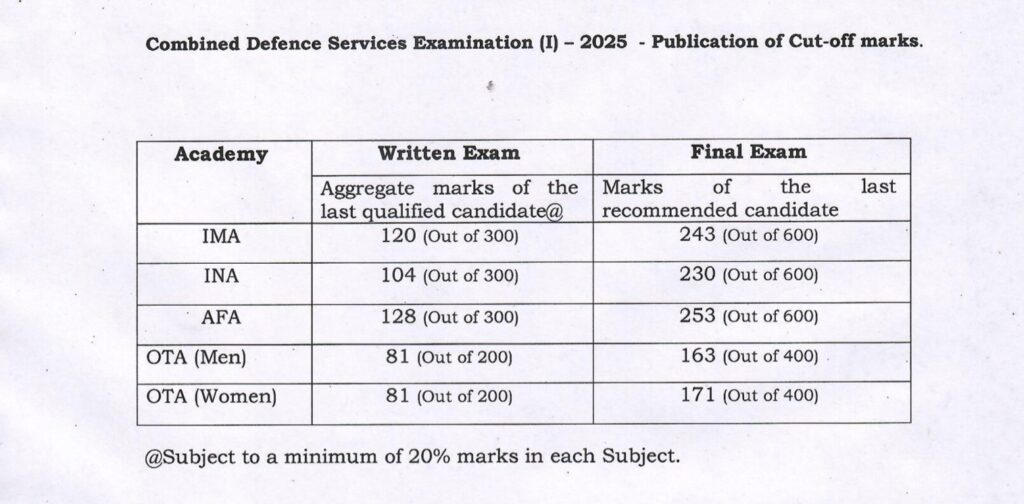
Your subconscious would have noticed one thing that paper 3, “Elementary Mathematics” requires at least 35-40 Marks more than the Total OTA score (Total of English and General Knowledge paper). Another thing you would have noticed clearly is that AFA requires maximum marks (Highest cut off), followed by IMA and then lastly INA.
OTA on the other hand requires less marks, obviously as there are two papers only.
But for each paper UPSC wants you to score minimum of 20% or 20 Marks which varies in every attempt and goes as low as 18% (18 marks each paper) to as high as 25% (25 marks in each paper)
But 25 in each paper would be 50 in total for paper 1 & 2 while cut off ranges from 80 to 100! So, obviously you need to score high in one of the two papers. Which one is that? You may ask
ENGLISH!!
Yes, General English (Paper 1) is the only scoring paper in CDS preparation and this is where you take the maximum advantage possible. So, put more time in English preparation?
Does it mean More value to English than GK?. Well! we will come to that. For Now, we go ahead and find out the path to follow for this paper
Road-Map for CDS Paper 1 General English
I will layout the total comprehensive Syllabus of general English Paper. There are some additional new topics too and we will check all of them.
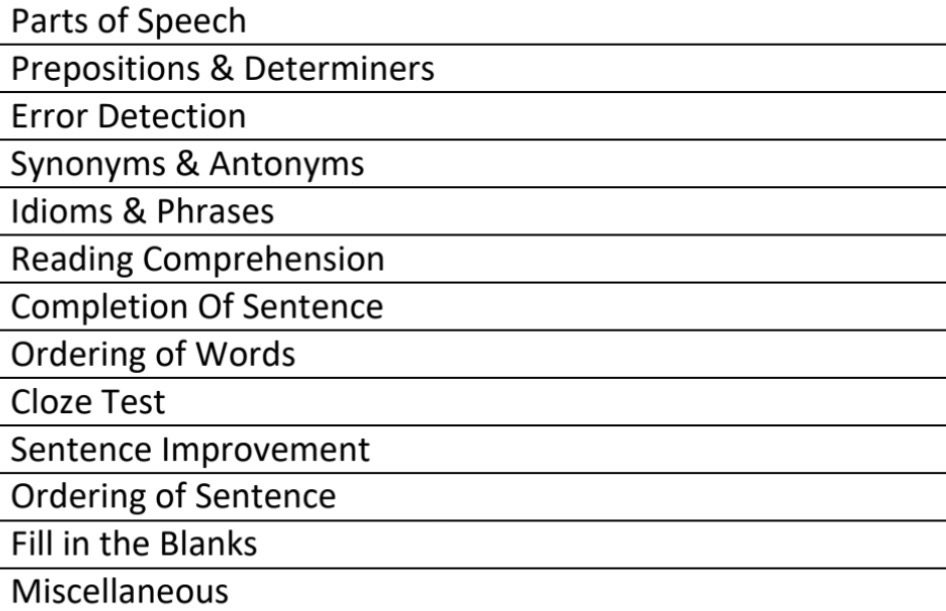
There are certain topics that are simple, scoring and worth attempting. You should attempt 100% of those questions. There are certain challenging topics that aren’t easy or worth guessing. It is advised to tread with caution for these topics in exam. Further there are few topics that are not worth attempting as you will likely lose marks in negative marking.
No one will tell you what you will see next! Excited? Let us proceed then!
1.) Parts of Speech
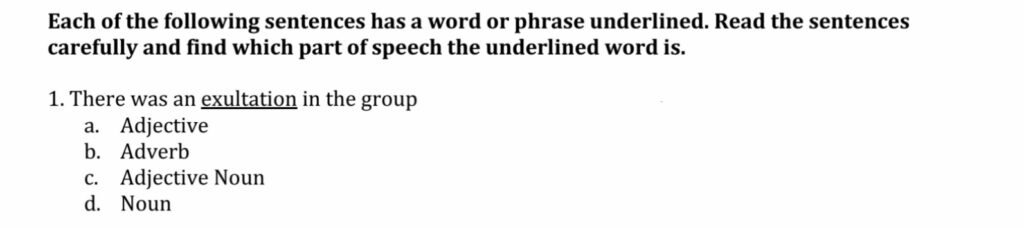
Advice : Learn “Part of Speech“. It is limited foundation learning that you need to get in order to attempt 100% of these questions. These are scoring and worth attempting
2.) Prepositions and Determiners
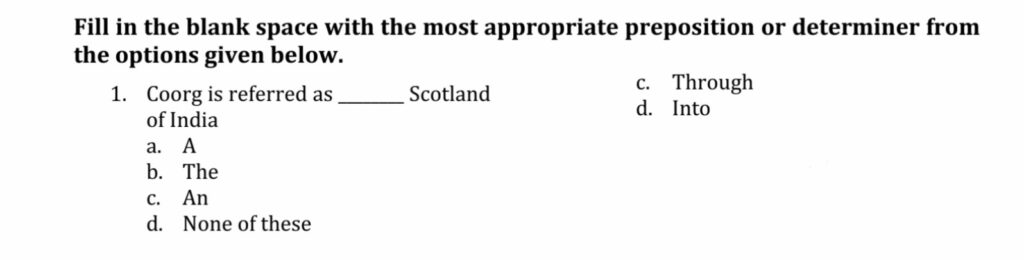
Advice : Learn it . It is again limited foundation learning. Attempt 100% of these questions. These are scoring
3.) Error Detection
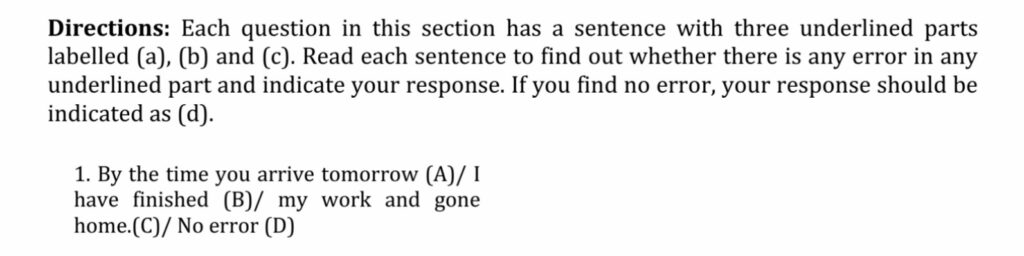
Advice : Attempt if you feel the error! . When you read stories, watch movies with subtitles, listen to two people talking, podcast etc your mind develops subconscious learning and when you hear wrong sentence you immediately realise it. So, when attempting these, if you feel something is wrong while reading the sentence – GO AHEAD Attempt it 100%. If you don’t – skip it!
4.) Synonym & Antonyms
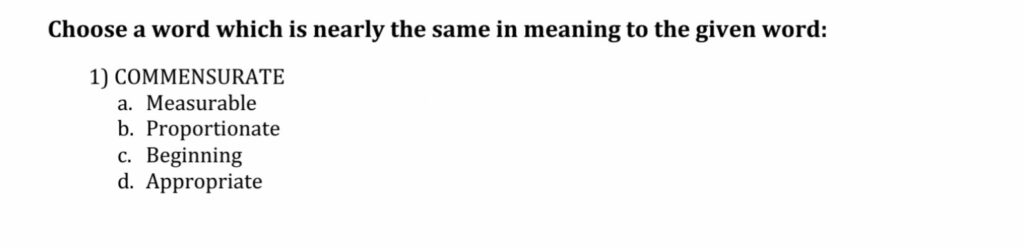

Advice : This is tricky section! . You can attempt these only if you literally know the meaning of the word, which comes by vocabulary. Vocabulary of a person develops over months, years and decades. So, DO NOT ATTEMPT when you don’t know the actual meaning of the word.
5.) Idioms and Phrases

Advice : DO NOT TOUCH! There is no limited source for phrases and idioms. Just like synonym and antonyms, you can only answer these when you know the meaning of the phrase. There are more than thousands of idioms and phrases and you cannot learn them all. Meaning of Idioms and phrases are always different from what they seem by words. These will most certainly pull your score down by negative marking. Only answer when you know the definitive meaning of the idiom or phrase. This is 100% worth skipping!
6.) Reading Comprehension
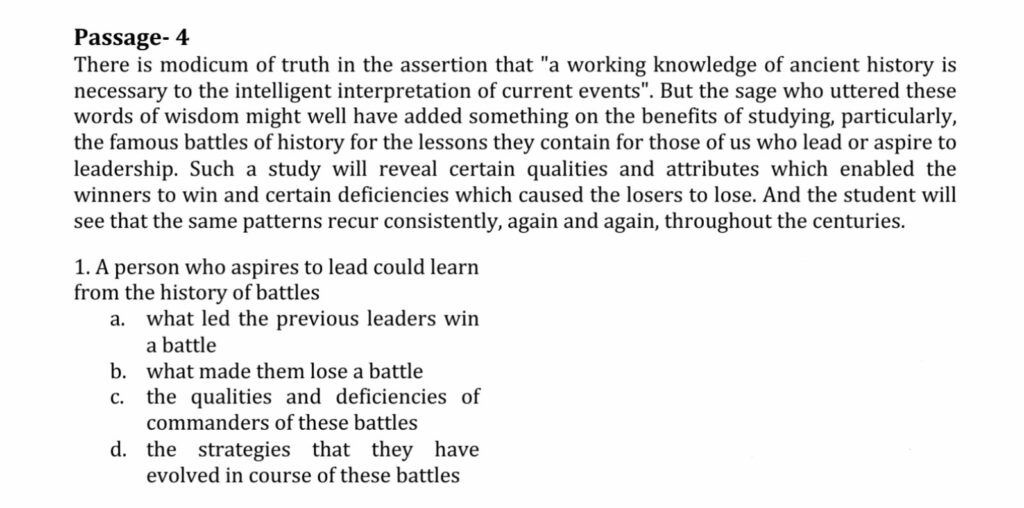
Advice : Go for it! . This is the easiest section. Almost every time the answer is right in front of you. Read the passage carefully and there’s 100% chance you will get them all correct. Sometimes comprehension gets tricky, options given can have both fact based and observation based answer. Which one to choose? Comprehension is not a test of knowledge; it is a test of observation. The goal isn’t to find the “correct” fact, but to find the “matching” fact. Remember : If a piece of information isn’t inside the paragraph, it doesn’t exist for the duration of the test
7.) Completion of sentence
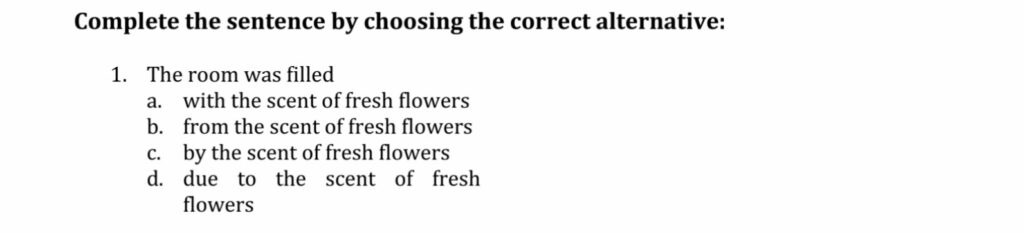
Advice : Go for it! . This is simple as long as you have practiced them before. Again these come with general English flow. You’ll know by reading that which option doesn’t fit in and which one seems perfectly fit. Sometimes they are tricky when two options fit closely. In such cases it is better to skip than attempting. These are generally scoring and you must attempt these
8.) Ordering of words
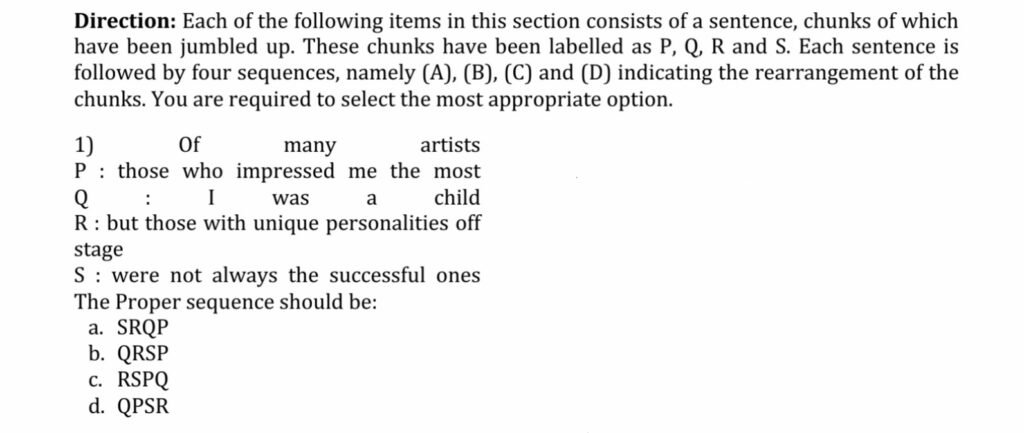
Advice : Easiest of all . This is as simple as it gets. Almost every time you will know the flow. If and when confused you know at least which two sentence go together and hence by ruling out options you can figure out the correct answer. You must attempt all of these
9.) Cloze test
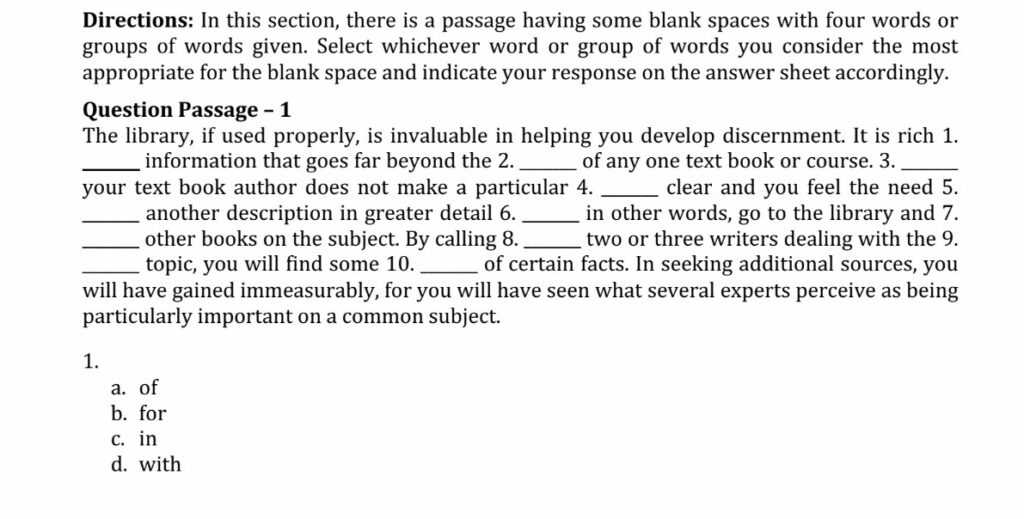
Advice : Definitely Scoring . Just by reading the sentence you will know what will fit in. To excel in cloze test you must practice these more and more. Anyone with basic English should be able to get it. If you find this difficult then you should read either of magazines, newspaper or online articles, whichever available. Just by continuous reading regularly you will develop your subconscious mind.
10.) Sentence Improvement
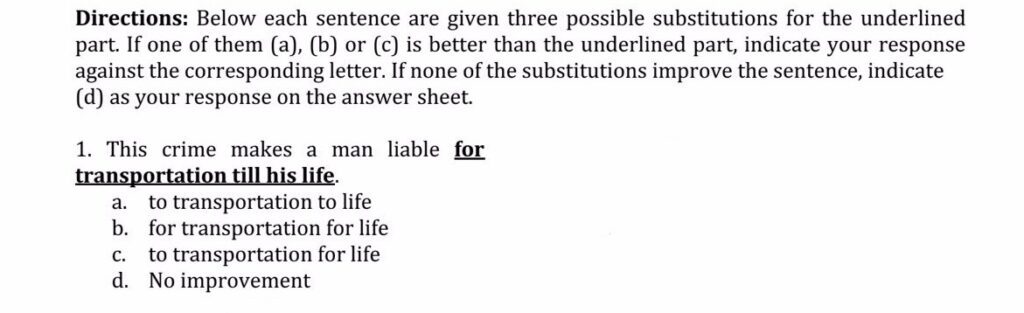
Advice : Tricky! Tread with caution . Sometimes the options given are very confusing. To add to it, you have “No Improvement” option too. You have to understand the words that naturally live together. We don’t say “guilty for,” we say “guilty of.” We don’t say “liable to,” we say “liable for. While in casual speaking and expressing the terms like “guilty for” and “liable to” works but not in a written sentence. Here you use logic and see if the words fit together in the written context and not in speaking.
11.) Ordering of Sentence

Advice : Worth Attempting . This is little complex than ordering of words but almost as scoring. If you find connection between any two sentences, say “RS” than more or less by ruling out options that don’t have “RS” together you will find out the correct answer. If you are confused between two options then it is recommended to take time and figure out the correct answer. There are high chances that you will get this correct! You must attempt all of these.
12.) Fill ups
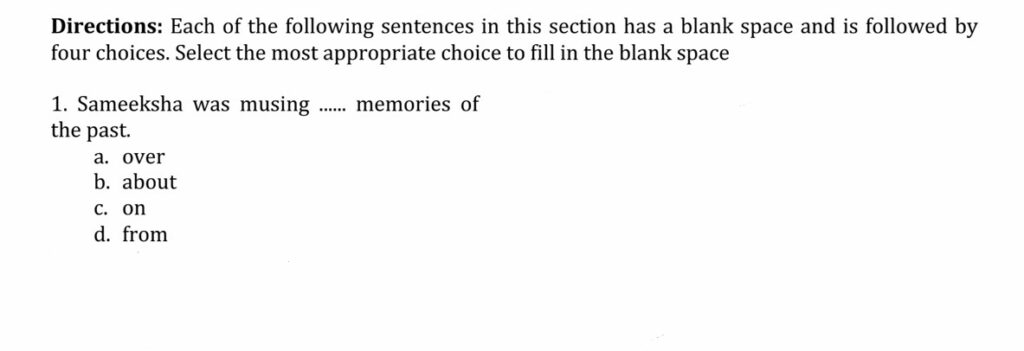
Advice : Attempt all . Again, these can be solved easily just by the look of it. If you know the correct usage of prepositions then you will know how the correct word will fit in the sentence. This certainly comes after a lot of practice but this section is worth attempting.
13.) Miscellaneous
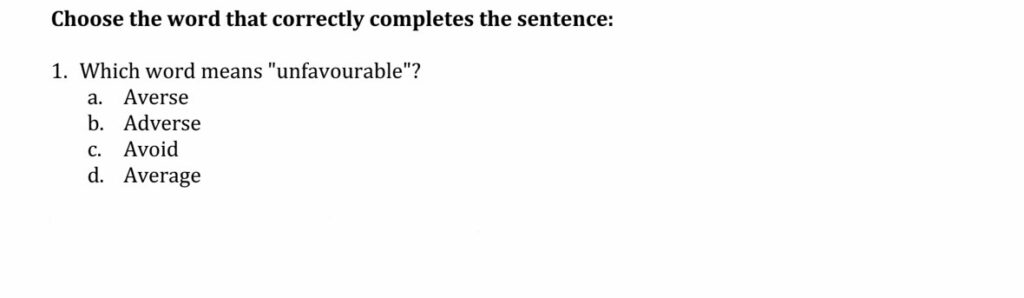
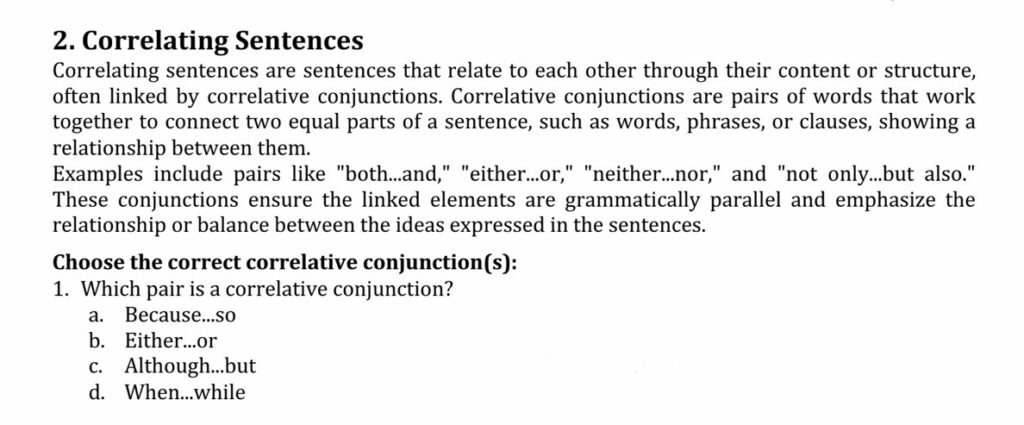
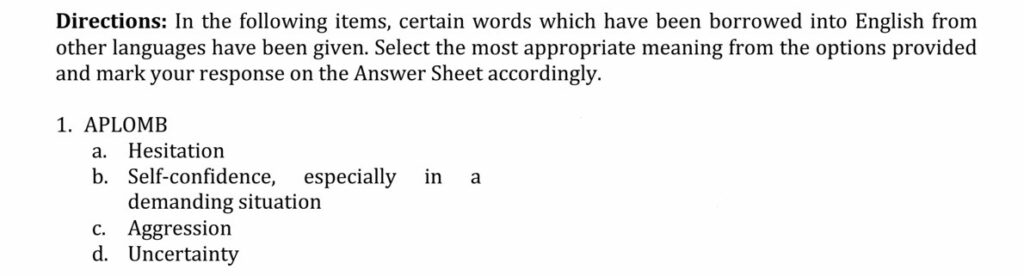
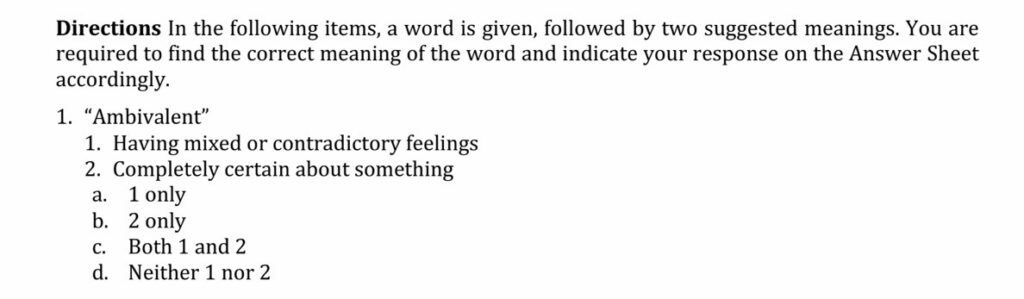
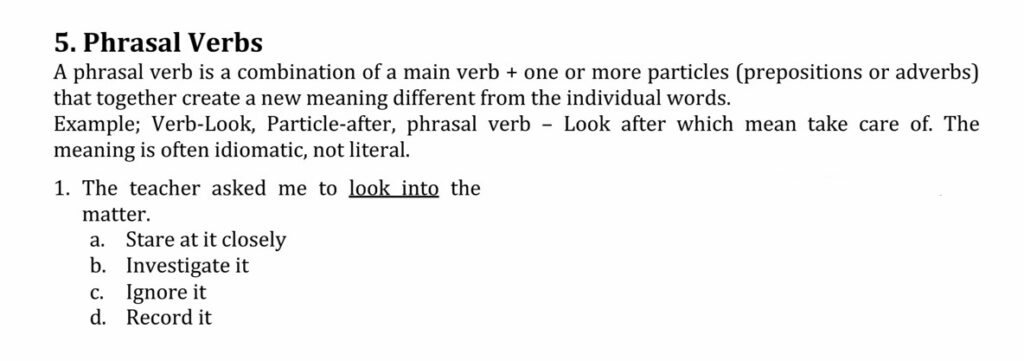
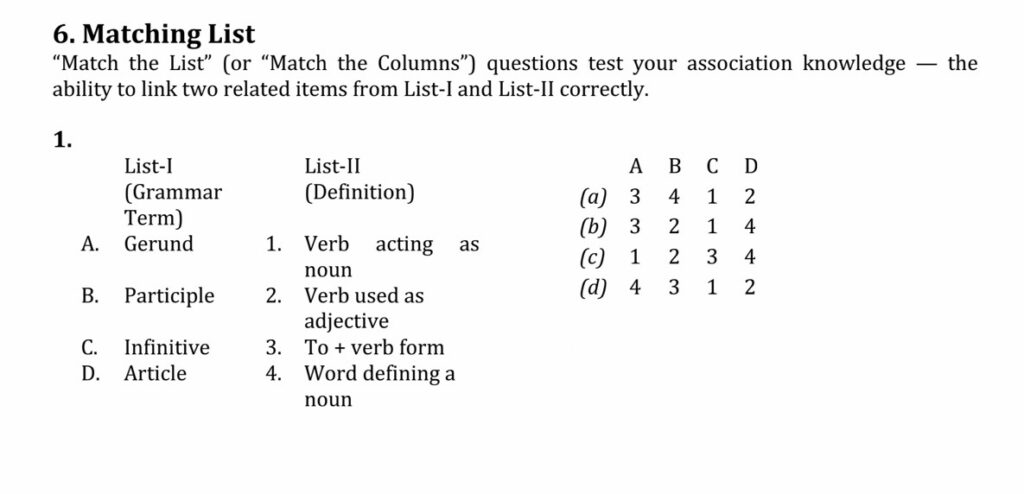
Advice : Lot of practice required! These are certain new topics that have recently been added to CDS English Syllabus. There are a mix of both simple and complex topics which are somehow related to your basic understanding of grammar.
CDS Study Material for English
To excel in all of them, you need a very good practice. First, learn the parts of speech, preposition & determiners along with basic grammar and then you proceed with practice exercises. Where can you get these? As for the 2026 updated syllabus of CDS Preparation for English is concerned, I suggest you to get MISSION CDS 2026.
Additionally, it is recommended to read a fiction book or genre of your interest every night before sleep. Even a simple book like secret seven or famous five will do! Remember this will add to your vocabulary and subconsciously help with your grammar knowledge.
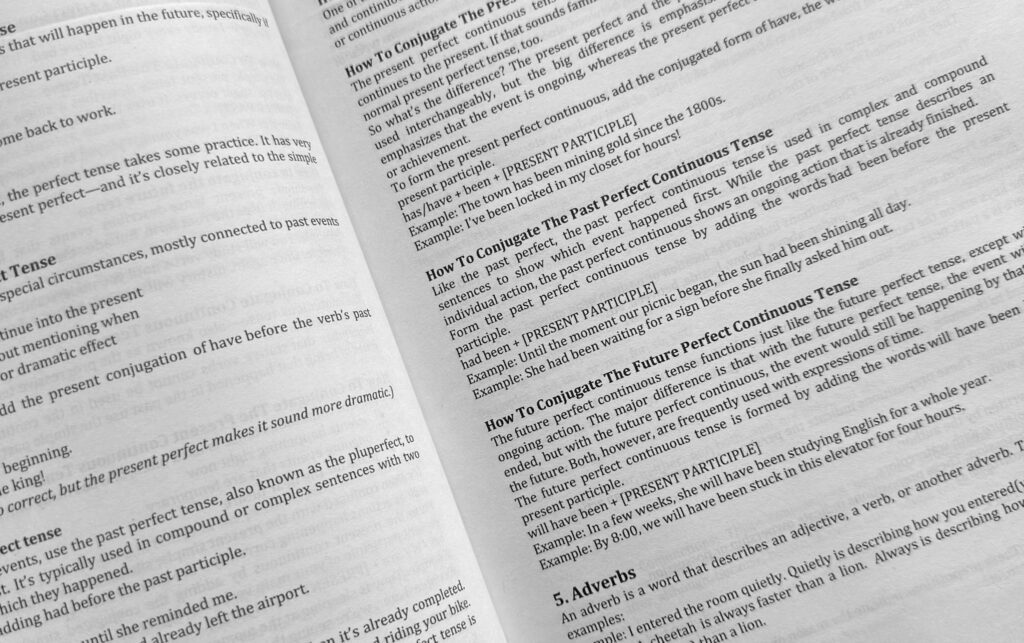
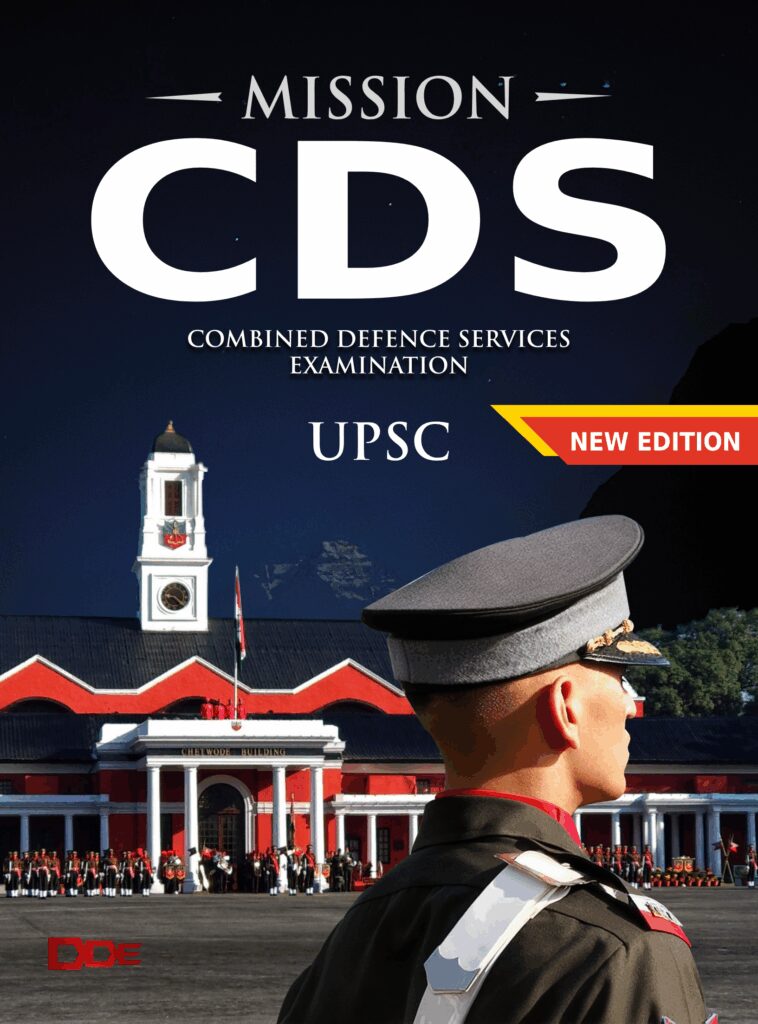
This new edition Book has learning source for parts of speech, proposition, determiners and grammar with solved practice exercises from all sections. Explanatory solutions so that you know – what is why?
Once, you have completed the syllabus, start doing 1 mock test paper everyday. Yes! Time yourself and attempt one English paper every week. Check your answers, check the markings in booklet, cross check OMR. You will then realise the reason behind the wrong answers. Was it wrong marking in OMR? Or Was it wrong guess? Was it a concept problem?
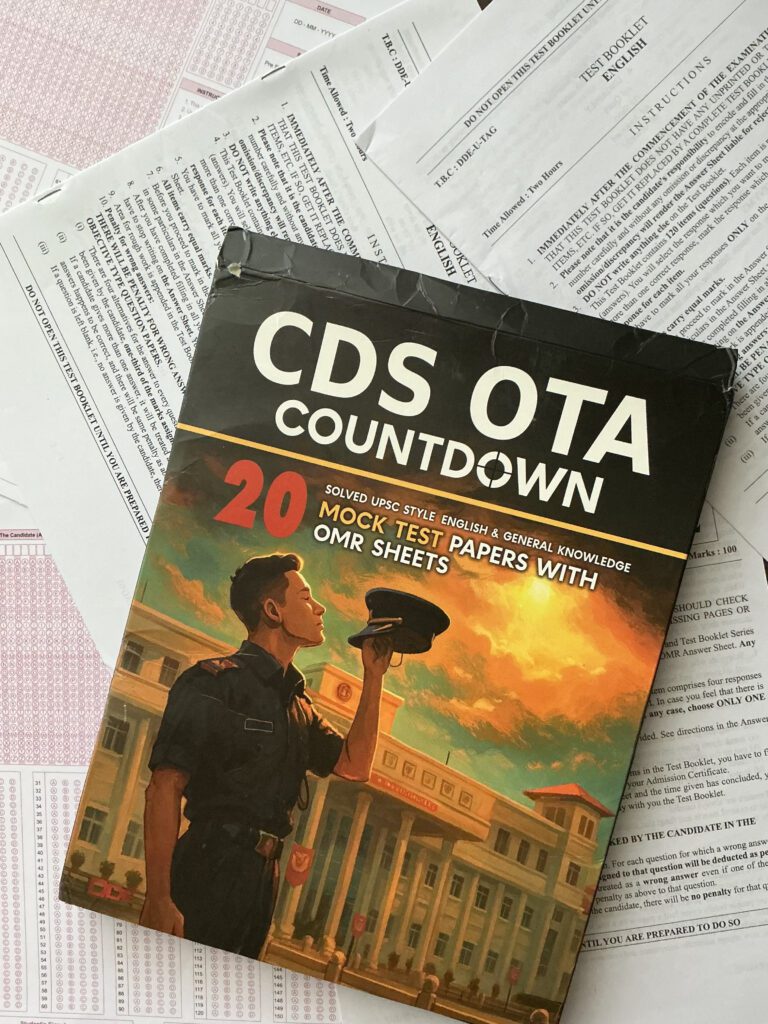
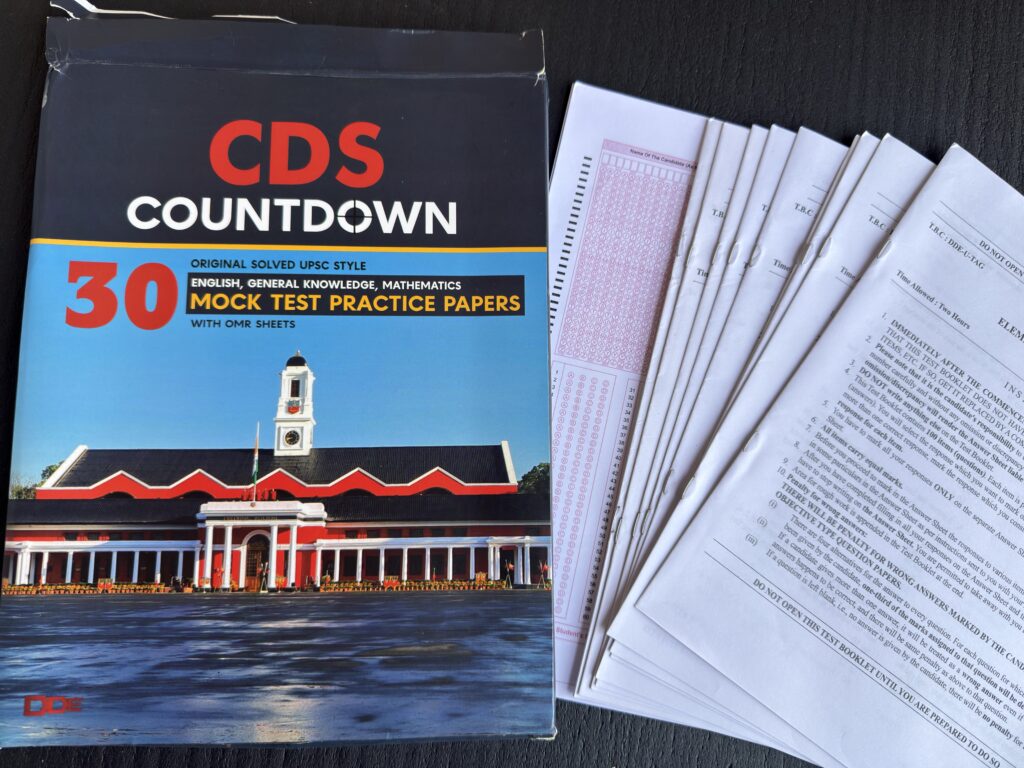
If you are wondering where to get Individual Paper Booklets and OMR sheets then you can get this Countdown Pack that contains 20 Sample Paper Booklets with 20 OMR sheets along with explanatory solutions for each booklet.
CDS Marking Technique in Question Paper
This is how you will learn from mistake, you will learn to take calculated guess, work on your weak areas. Again begin with another Booklet next week. Follow until you complete all booklets. It will be a 2 months process and by the end of it you will be extremely confident and prepared.
Now, we talk about what should be the marking strategy in the question paper booklet and why is this really important?
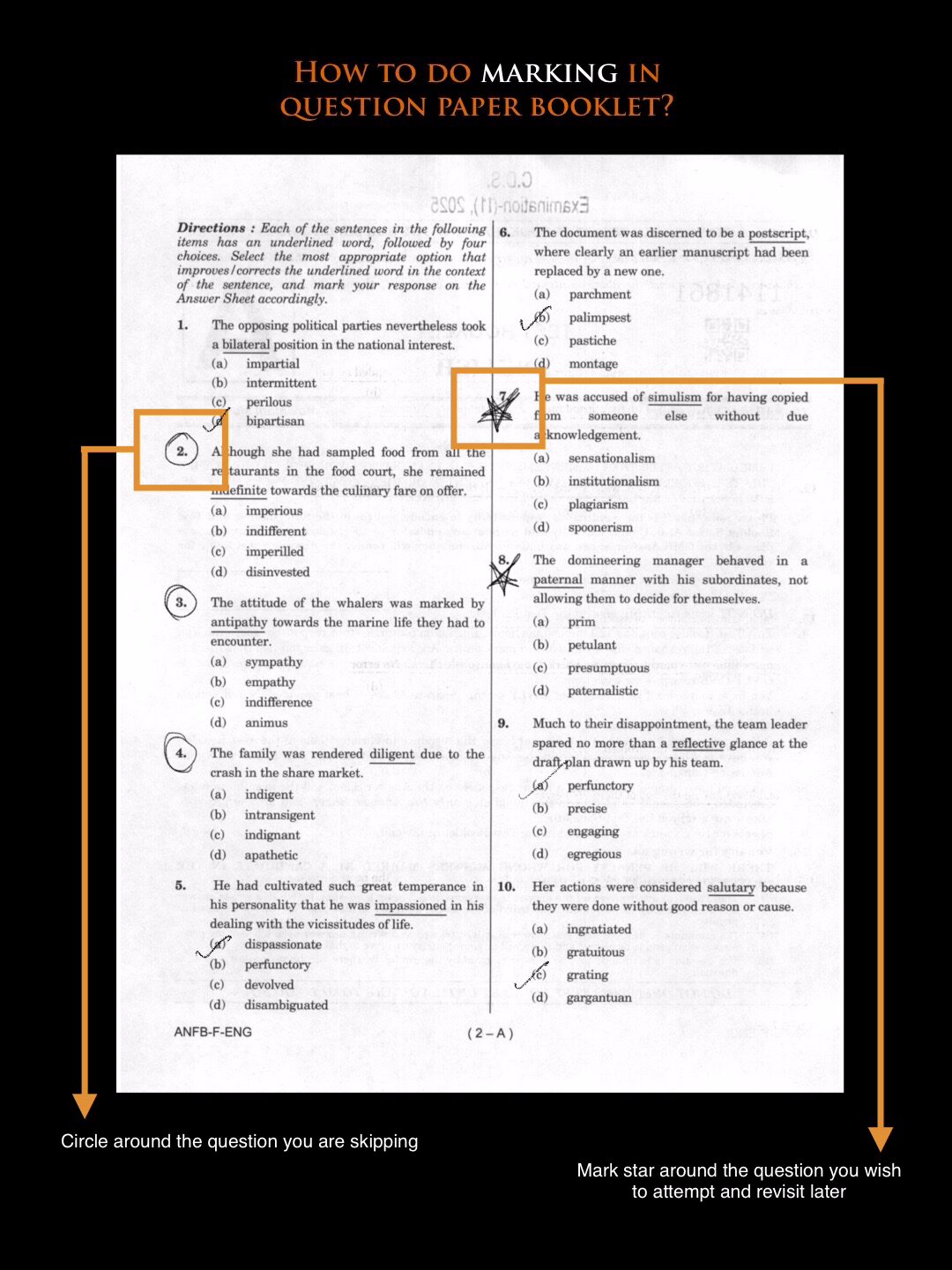
When you follow this marking technique in question paper booklet, it is very easy for you to revisit the questions later. Further, you know which question you most likely know the answer to – with the help of “star” marked next to the question. All this will save time and anxiety.
Now, how much should you aim to score in English paper? Well! at least aim to score 80 marks which means at least 96 correct answers out of 120 questions. This is very practical and doable. Remember that English is Key to clearing CDS and higher marks in this paper will compensate for GK.
Reality of Candidates appearing for CDS English Paper
Usually average candidate will be able to score 40-50 Marks even when they are poor at English, Anyone above Average will somehow get 60+ Marks but if you are good at English than you should easily be able to get 70-80.
Learning the right resource from MISSION CDS 2026 and adding the necessary practice from the book will make you reach 60+ no matter how bad you are at English. Practicing 1 mock test every week consistently and analysis mistakes will reduce your guesses, negative markings and build confidence taking you to 70+ score. To reach 80+ your effort in regularly reading newspaper, articles, magazines and a fiction book before sleep will come into play. No one can stop you from getting 80+ if you follow this Masterplan for English.
Mission CDS has proved itself for many successful candidates. At the end it is your effort and preparation that makes the difference but we can say this with confidence that this book won’t let you down! Below is the feedback of one of the successful candidates who had trusted us with Mission CDS 2025. Now with Mission CDS 2026, We are even more confident that this is your Path to success!

“If this is achieved, 50% of the success is achieved”
Now, as we have already covered the path to Paper 1 – General English. Let us now move forward to Paper 2 – General Knowledge.
Road-Map for CDS Paper 2 General Knowledge
In the beginning of the blog we spoke about the timing and effort you need to put between English and General Knowledge. Clearly, more time in English paper make sense from scoring perspective but more effort has to be put into General Knowledge. Why?
It is because CDS GK paper is the toughest paper of Combined Defence Service Exam and one of the toughest papers of UPSC. Getting just the cut off Marks in GK will be sufficient to clear CDS although it is suggested to aim at minimum 30 Marks in CDS GK paper. Seems so easy? isn’t it? We’ll see! 😁
How many correct questions do you need to answer in order to score 30 Marks you may ask?
Precisely, 36! 🏆
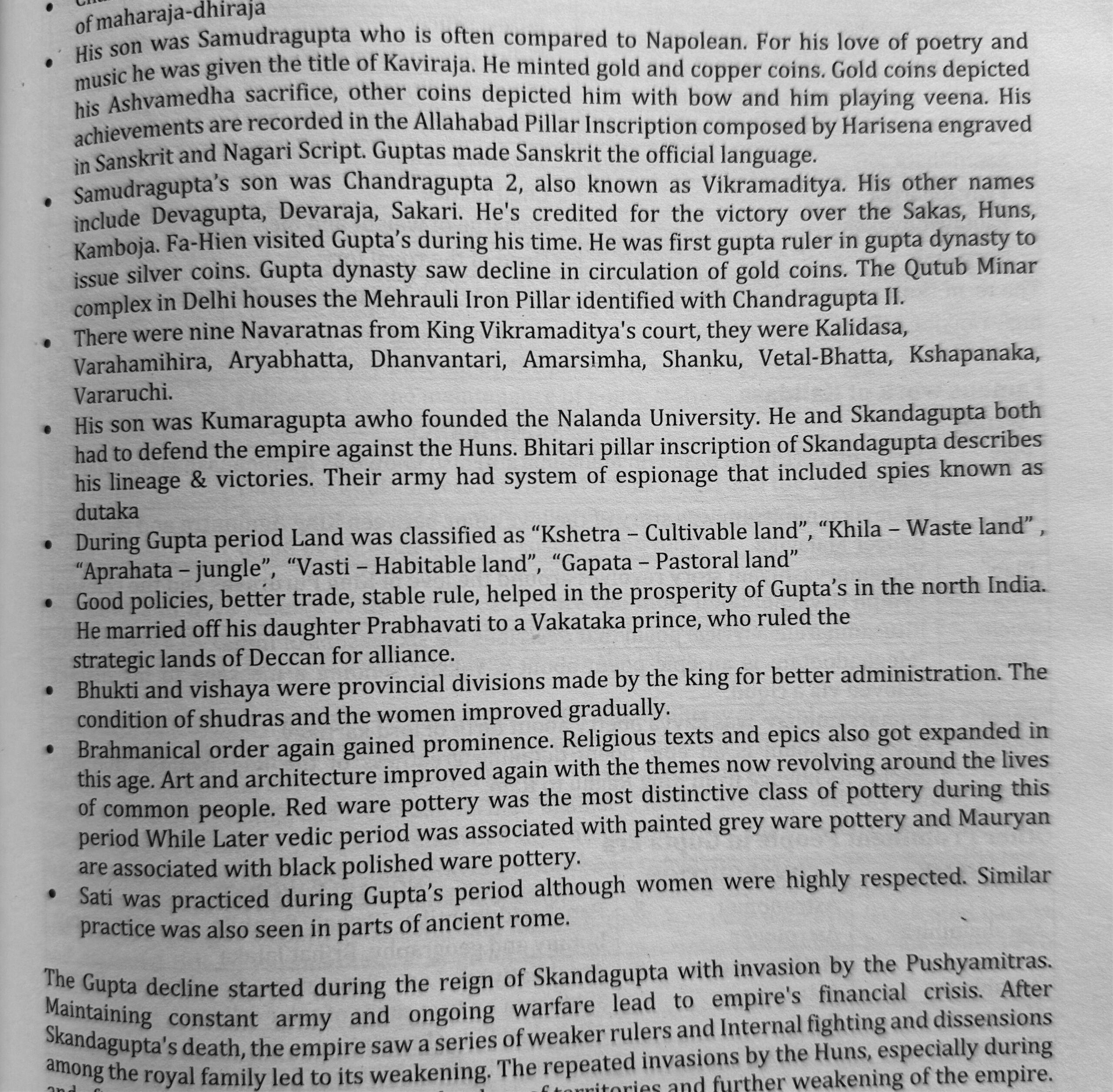
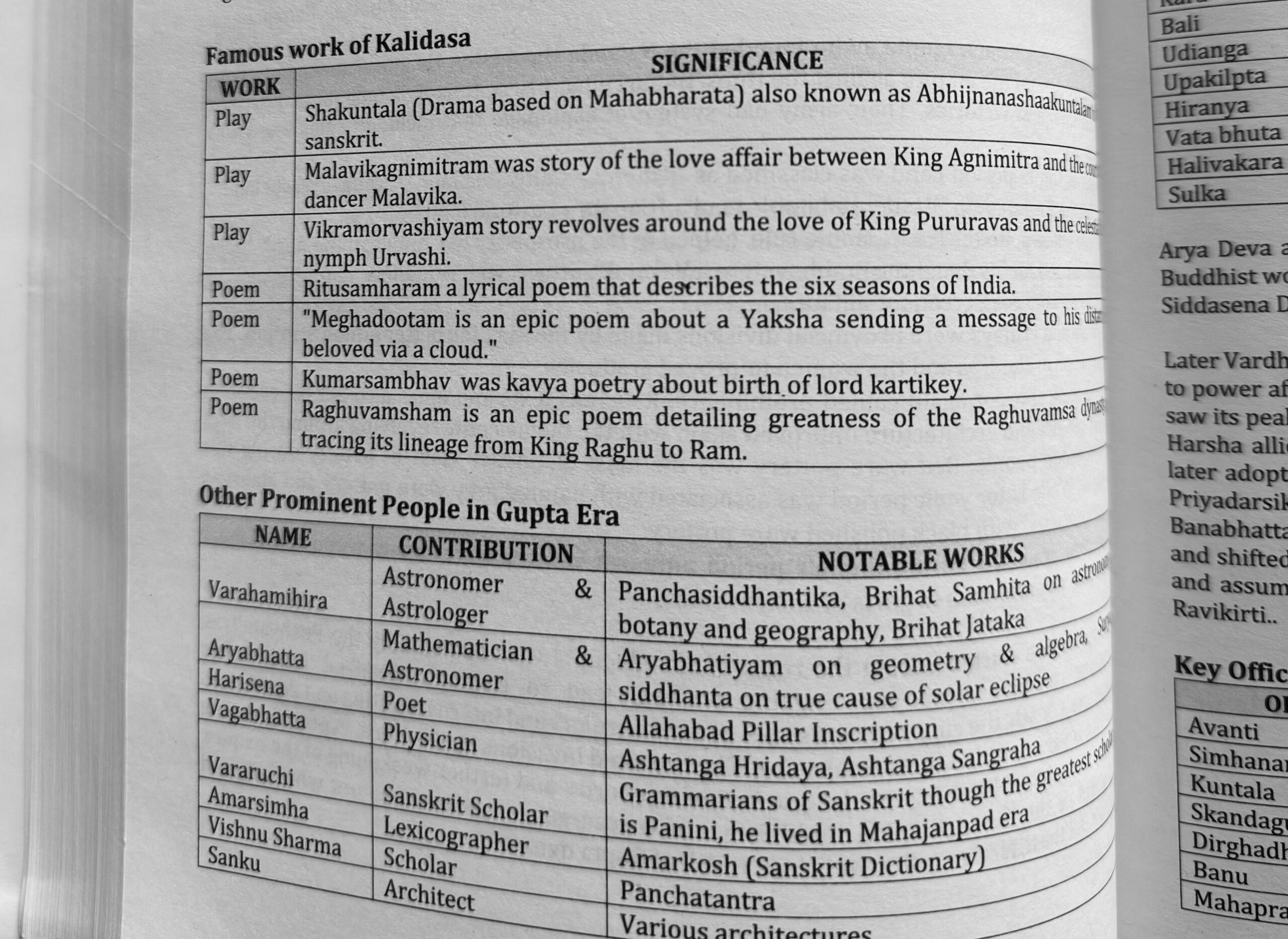
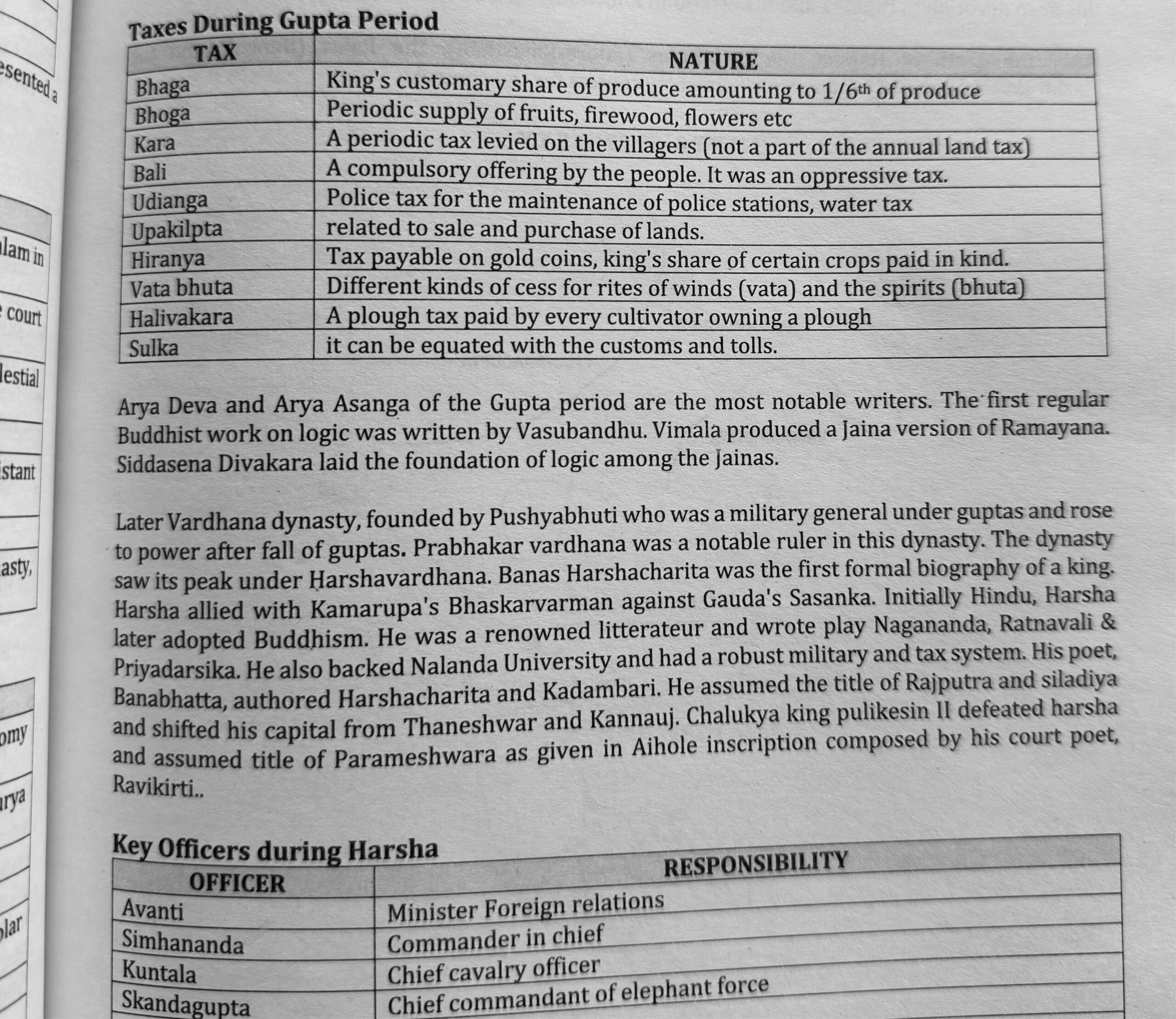
Yes! only 36 correct answers out of 120 will do. Now, let me tell you this may look easy here in paper but about 80% fail to qualify in GK. The General Knowledge questions here go beyond basics like ‘Who founded the Gupta Dynasty?’ or mid-level questions like ‘Who earned the title of Napoleon during the Gupta Period? Rather there will be complex questions with multiple statement like what was “Bhaga” tax during Gupta rule about, what was the name of tax for sale and purchase of land during Gupta period? what was the the role of “Dandpala” during Gupta rule. In short, CDS GK Paper won’t be anywhere near to Simple!
Therefore, we will dive straight into the masterplan for CDS General knowledge.
When people say study from NCERT, they aren’t wrong! Everything is from NCERT as NCERT covers chapter and topics in extreme depth. But also, when they say NCERT they aren’t referring to the CBSE NCERT at central level but “State NCERT”
e.g The depth of content in Tamil Nadu Geography NCERTs surpasses that of the CBSE Geography NCERTs for classes 7 through 10. A central committee crafts minimalist NCERTs, whereas State NCERTs bridge the gap between basic and advanced reference materials. Similarly, other states do justice for certain other subjects and believe me every questions you have ever seen in UPSC would have come from here.
What should be your strategy?
Attempt at least 36 correct questions that you surely know are correct. Once done with this, that is when you can do guesswork but there’s a technique you need to follow here too. What is the technique?
Each Mark attained from the correct answer is nullified with 3 three wrong answers. Once you secure 36 correct answers, every additional correct answer provides a safety net to guess three more questions. This works because three wrong guesses only negate one correct answer, preserving your minimum score of 30 marks. So, for every next correct question you can safely guess 3 more to maintain score. Don’t worry about time management as you will get plenty of time in this paper. You should still follow the marking technique in the question paper booklet i.e Circle questions you are skipping and mark “star” against those on which you can make a calculated guess but aren’t 100% sure!
This will help you to flip through pages without anxiety and find the questions that you had skipped for revisiting at the end.
What should your preparation look like?
I recommend practicing one question paper of CDS GK every week with an OMR sheet under proper timing and exam conditions from CDS Countdown. These are not previous year papers but carefully picked questions that makes the perfect Mock Test for you. Each paper reflects UPSC difficulty level, Topic balance, High-probability areas and No Digital Dependency, No screens. No apps. No distractions. This is pure offline exam conditioning, exactly how the real CDS exam is conducted.
Finish the paper and after the test check your question paper booklet (This is not the same as checking your score through OMR Sheet). Revisit each question in the booklet so that you will know what was your mindset for every skipped and wrong question while you were attempting the paper. You will realise what went wrong? was it wrong marking? How many wrong guesses did you make and what prompted you to make those guesses?
All this will improve how you attempt paper, your calculated guesses will improve, your negative marking will reduce. The marking strategy doesn’t come just by looking at it. You really need to practice and analyse to master the art of attempting the paper.
Now, let us dive into the most important part
CDS Written Exam GK Study Material
1.) Science :
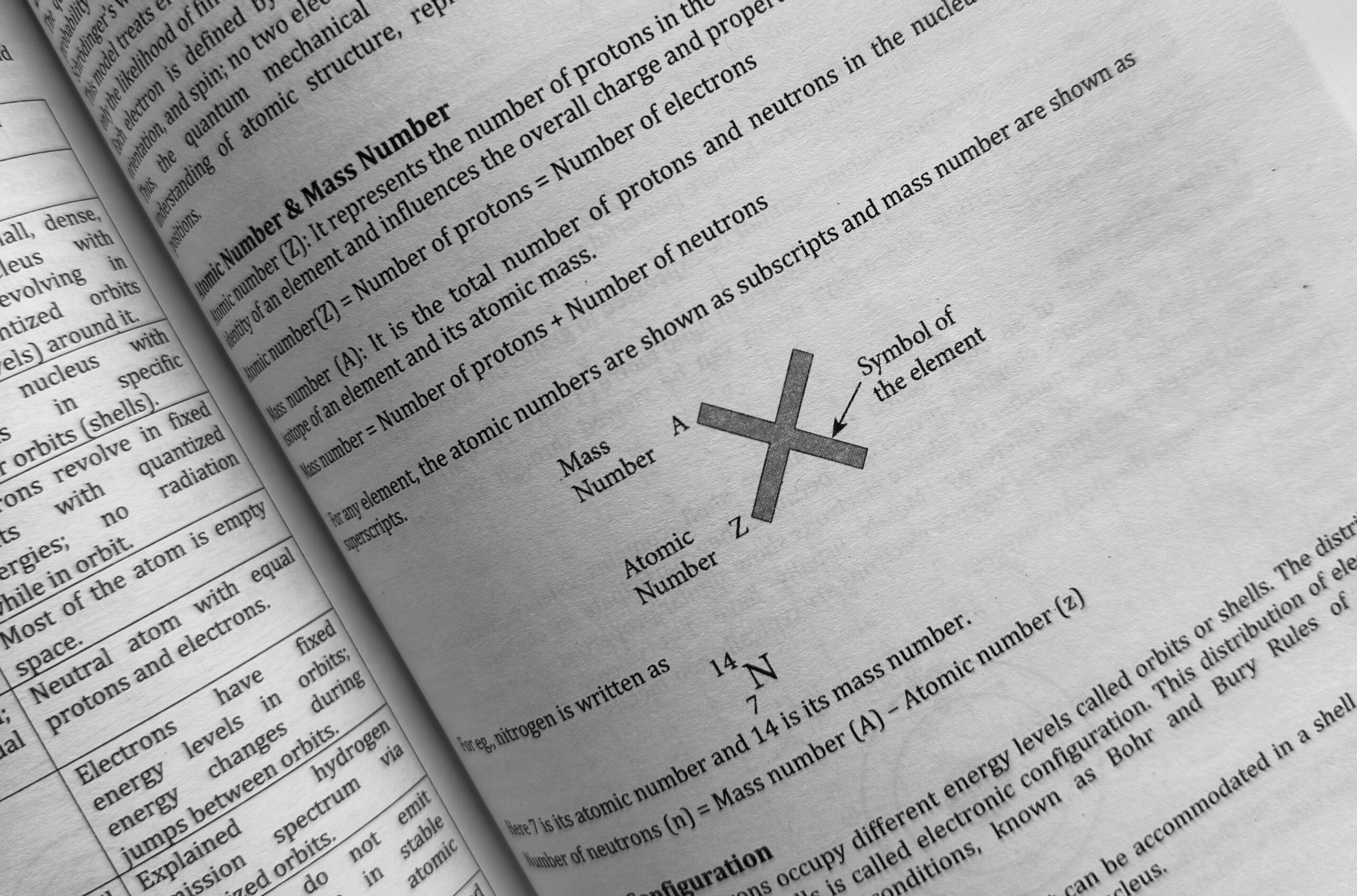
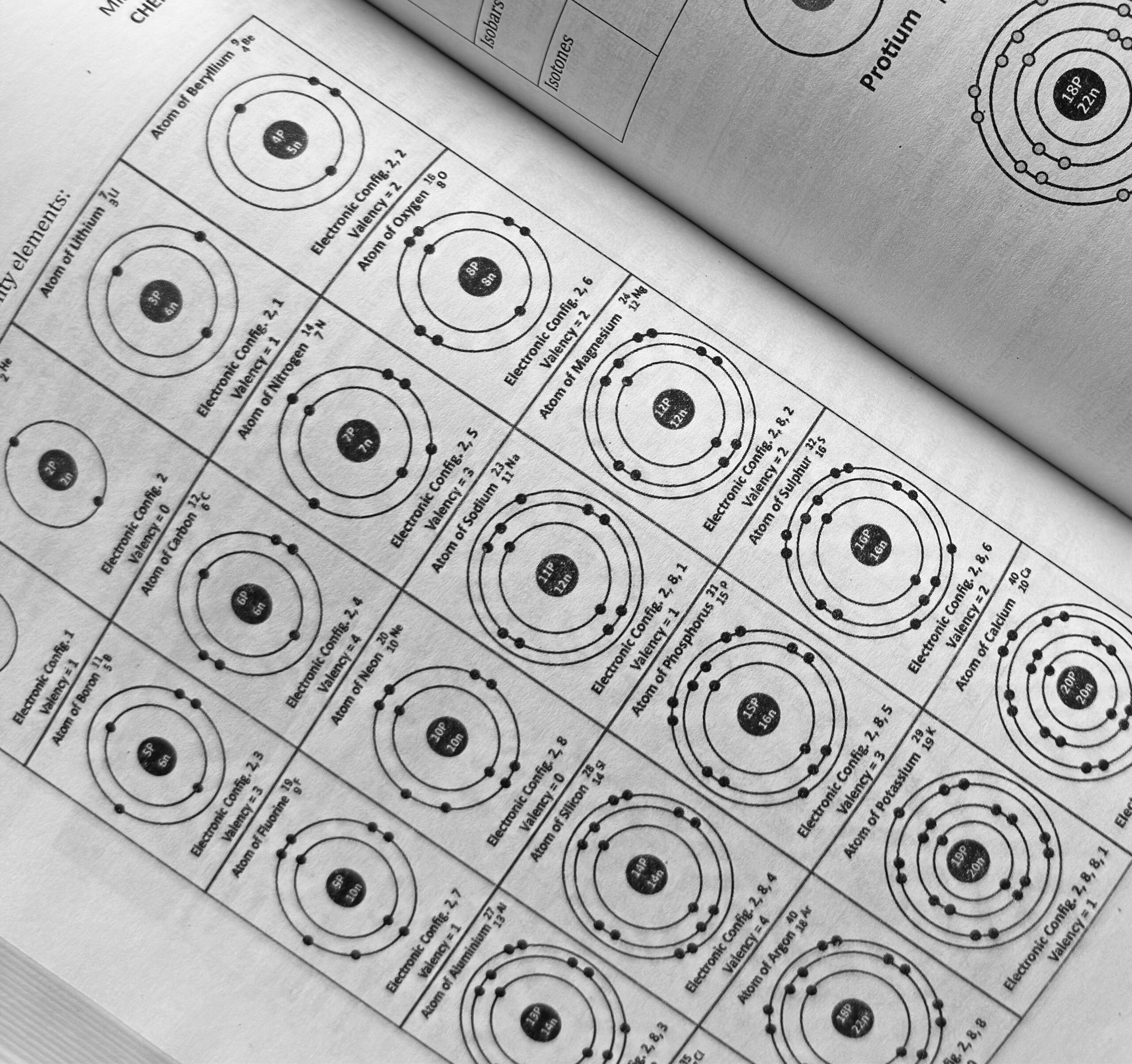
The most Important part of CDS General Knowledge and is often undervalued. In fact large part of your effort in General Knowledge should be attributed to Science.
Physics, chemistry and biology add up to 45% of the paper. A lot of questions can be very direct one liners from this section. There are many practical daily life related questions from science around us. This section is worth investing your quality preparation time.
2.) Geography :
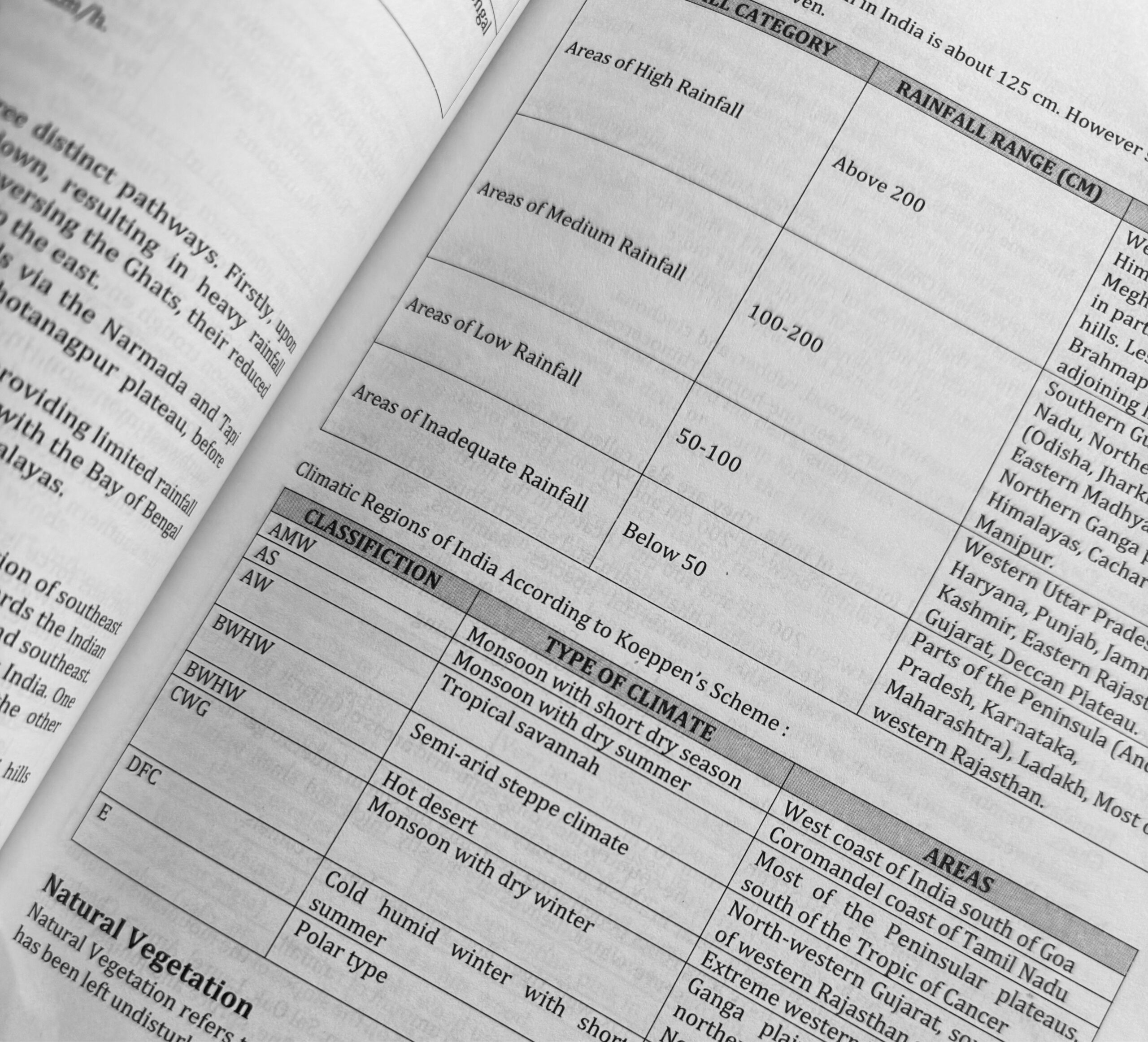
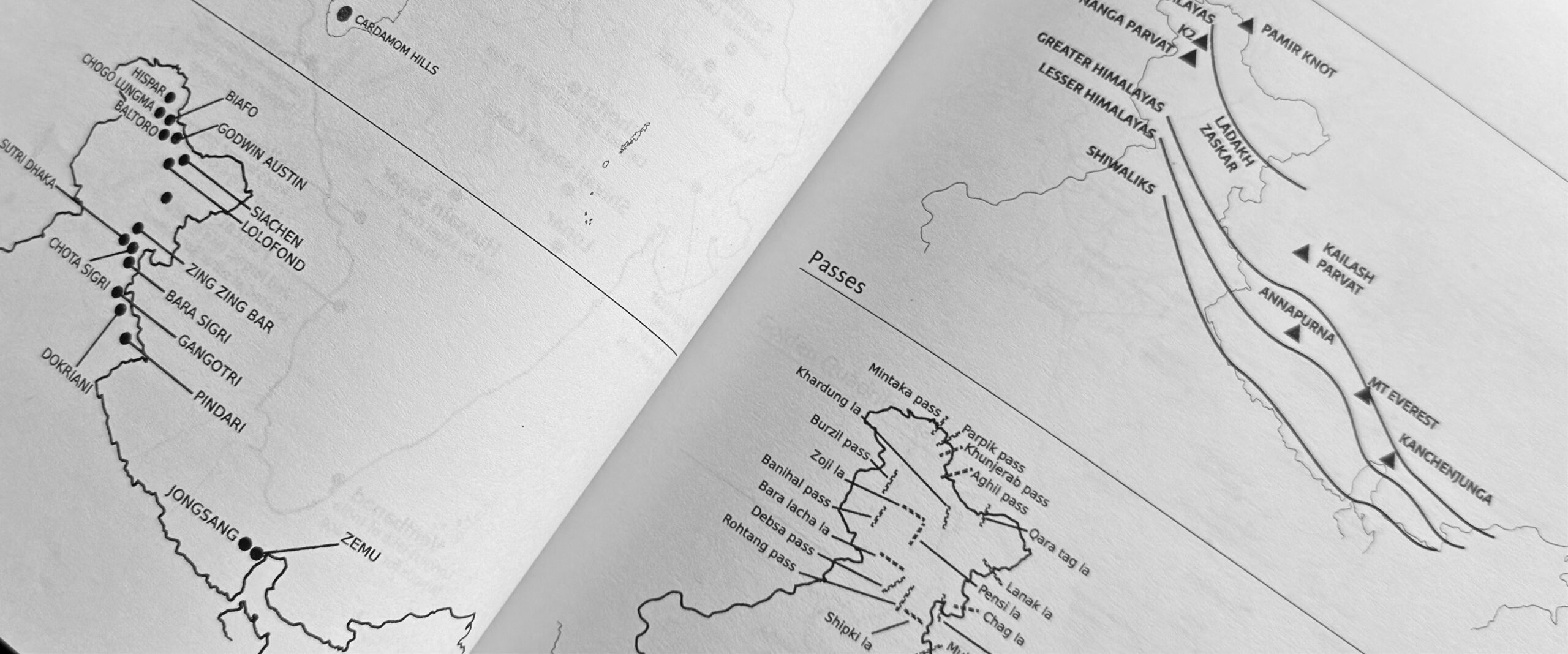
The only other section that is as important as Science. Geography alone covers 20-25% of syllabus. It is undoubtedly vast but perhaps the only section which is interesting. The efforts put into this section will likely payoff. You need in depth learning of topics in geography and it is also suggested to practice maps too so that you remember better.
3.) History :
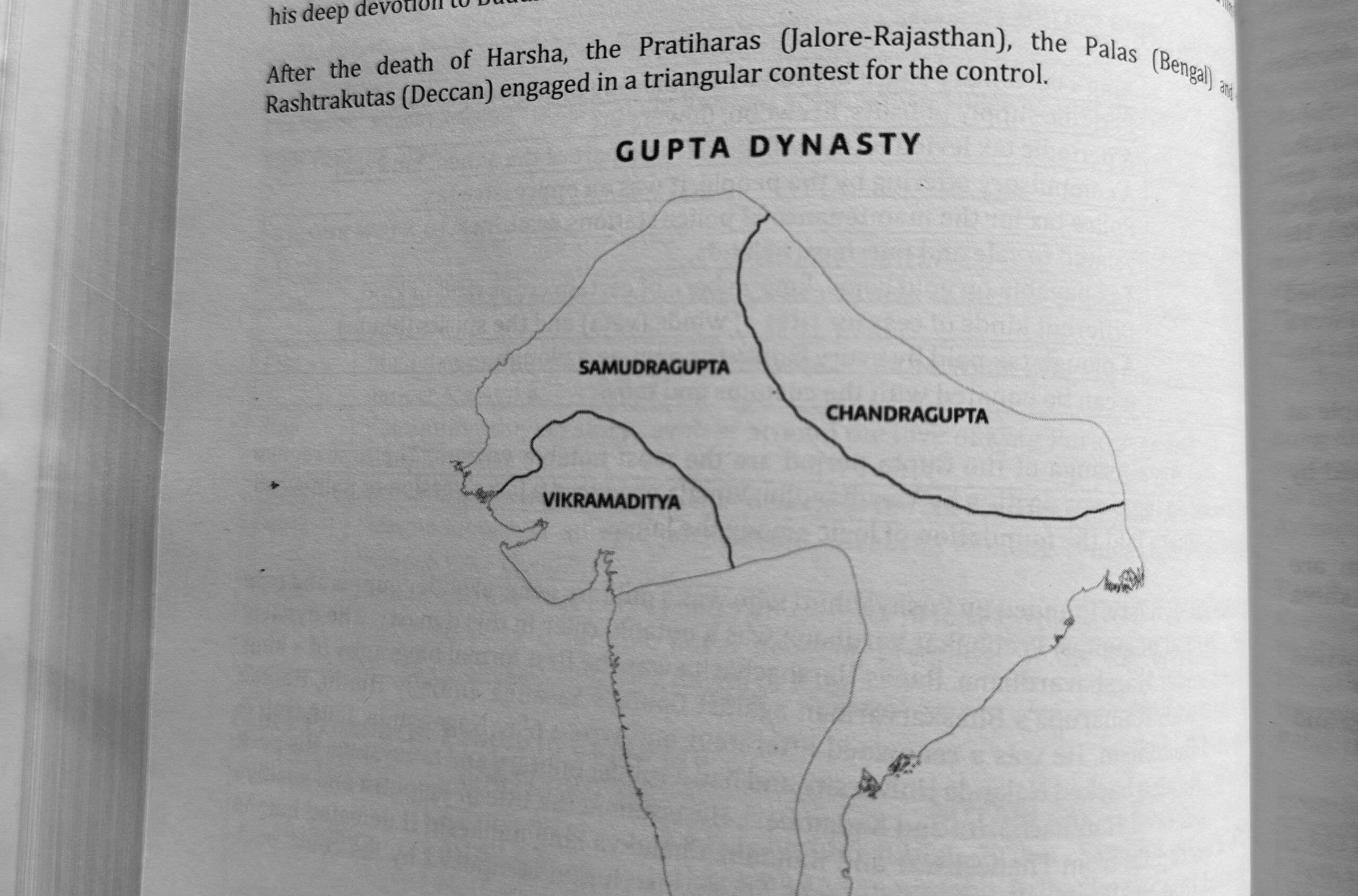
It will never be sufficient, No matter how much you cover.Covering about 15% of paper, History is the most vast section of all. There is no limit to its extremities. Question can be asked from anywhere. All you can do is go to the depths of topics aligned to the syllabus and pray that you would be able to answer a few questions. You can only remember history facts if it goes like a story. E.g If you know what led to the beginning of an empire, what led to its fall and how the transition happened to the next empire than you are more likely to remember history facts.
Now, it depends on your source too because your facts of each empire should be in depth. E.g as we discussed above, if reading about Gupta empire, you need to know How it came to existence, famous facts, famous men, famous rules, famous events and its downfall with transition information. Also, History Maps like maps of empires will subconsciously help you to remember their reach and borders. Further, events too like independence events can be better remembered with Maps. Check these images below from Mission CDS 2026, if your resource doesn’t cover it this way, it’s basically useless to invest your time in this section.
4.) Polity :
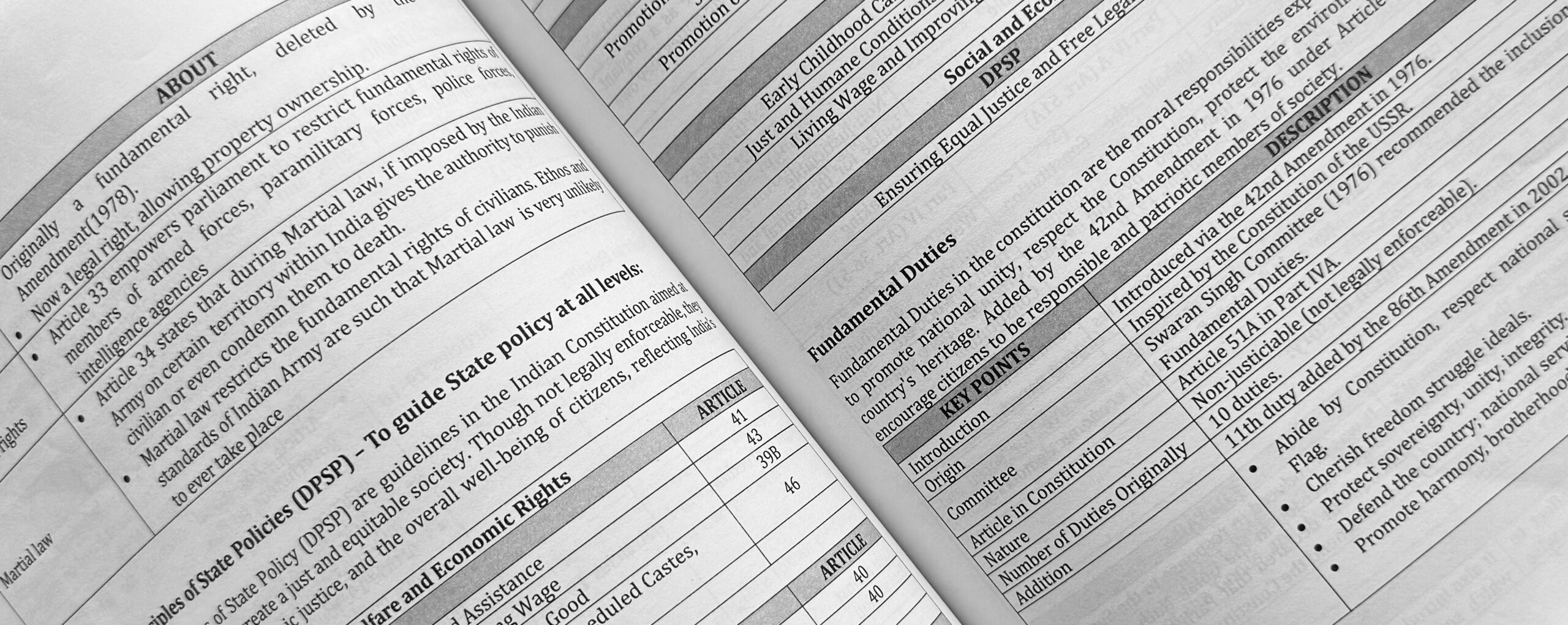
Limited Syllabus but lot to remember. Acts, amendments, post, powers, responsibilities. Entire polity is full of these and it’s not easy to remember all. If polity isn’t neatly structured and tabulated then you are going to have a tough time navigating through syllabus to find what has to be mugged up. There can be direct and sometimes multiple statement questions from polity. 10% of your paper will be from polity and if you have grasped most of it then you will be able to attempt this section. Polity can be scoring but requires you to remember a lot. Check these images below from Mission CDS 2026, It’s better studied this way.
5.) Defence :
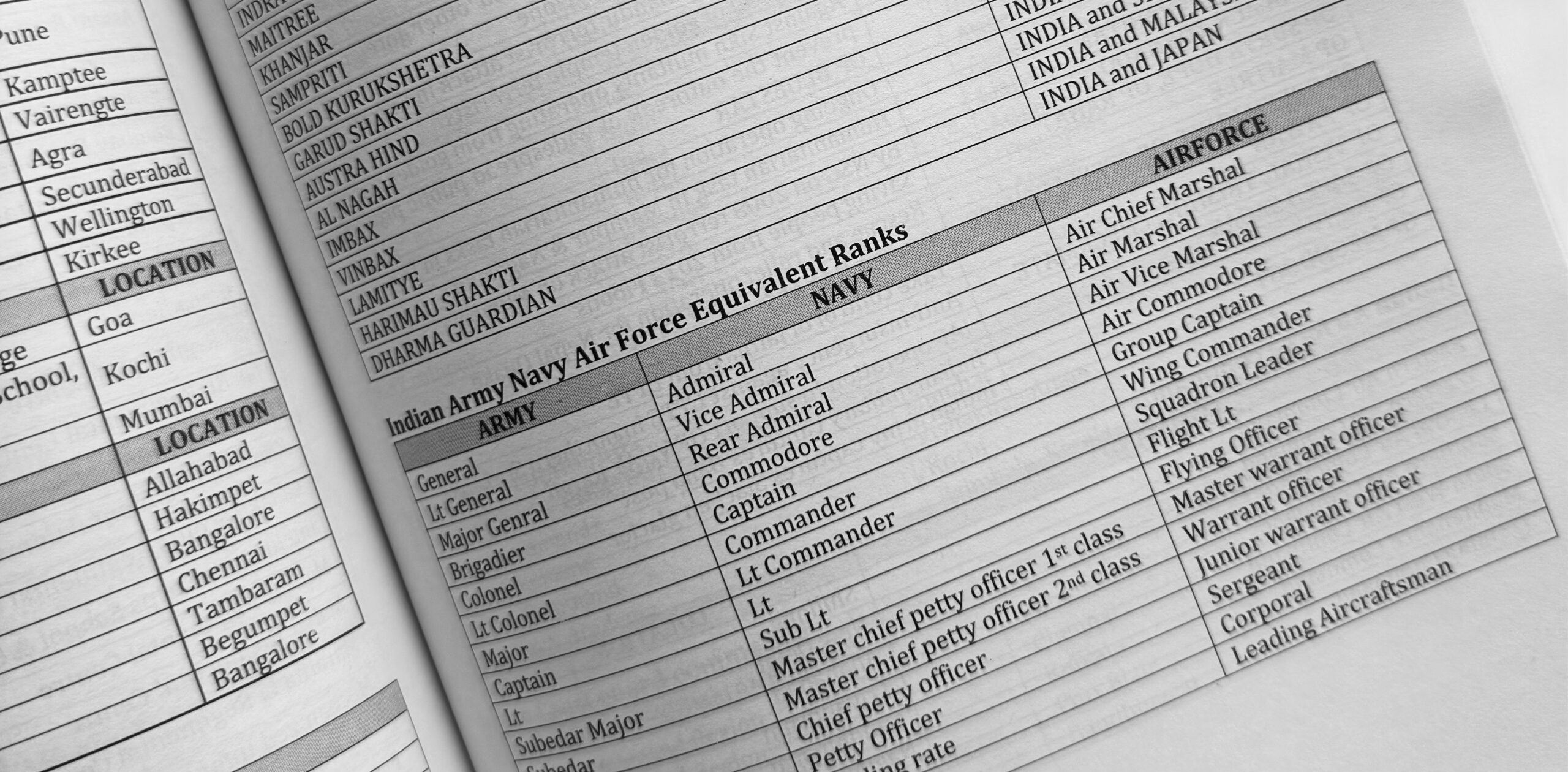
This is the smallest section. It attributed to 2-4% of syllabus and you can expect 2-3 questions. It is very easy to cover this and though there is stuff to remember, it’ll mostly be interesting as you are preparing to join Indian Armed Forces. Also, this information is generally something you should know as a defence aspirant. It may be asked in your SSB Personal Interview too.
6.) Economics :
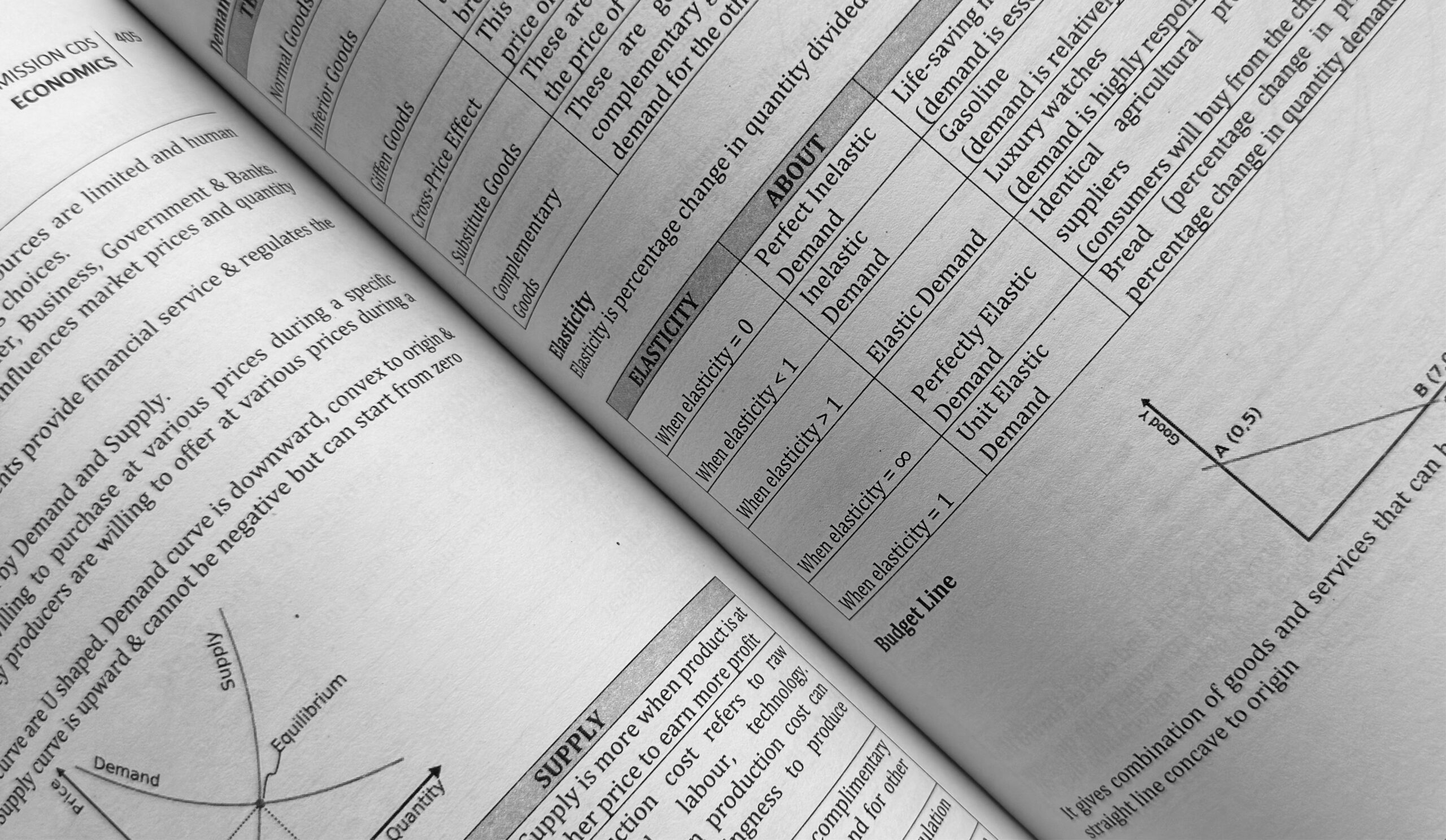
Limited but a web of complexities. Microeconomics, macroeconomics, Schemes, Niti, Banking, International Trade, Economic reforms, Economic Terms. These sub-sections lack close links, and you cannot predict which one the upcoming question paper will focus on All you can do is cover up the limited syllabus and hope that the 8-10% of the paper will have few direct questions that you will be able to answer. Your time is clearly worth the limited syllabus of Economics.
The reality of Candidates appearing for CDS Paper
Usually average candidate will be not be able to answer even 10-15 questions with 100% accuracy. You could answer 20-25 Questions When you are above average and good at basic GK but that’s not enough and negative marking will pull you down. To be able to answer 36 correct questions you need to have a solid CDS Preparation
- Deep Learning from New MISSION CDS 2026 (You could also refer different state NCERTs too, but we have consolidated all of that in one book for your easier access)
- Weekly Mock Test from CDS Countdown or OTA Countdown
- Practicing 5000+ Most Expected MCQs (These are collection of those GK questions that have appeared repeatedly in different government exam like UPSC, CAPF, SSC, Banking, IB etc and have higher chance of being repeated in your upcoming examination)
Learning the right resource from MISSION CDS 2026 and adding the necessary practice from 5000+ MCQs book will make you capable of attempting 35-40 questions. Practicing 1 mock test every week consistently for 10 weeks and analysing mistakes will reduce your guesses, negative markings and build confidence taking you close to 40 score. To reach 40 your effort in regular mock test and MCQs practice will come into play.
“There is this feeling where you will know that you have cleared the paper in the the exam hall without checking the answer key. That’s the confidence you should aim for”
CDS Written Exam Maths Study Material
How many marks do you need to clear CDS Mathematics paper? 30?
As per the usual cut off for different academies, you’ve to get 23 marks minimum for IMA and at least 47 marks for AFA.
On average you have to get 40 Marks in this paper which basically sums out to 40 correct answers and that can be very easy!
CDS Mathematics paper will almost certainly in every attempt be a lengthy paper. Medium difficulty but lengthy paper. Why medium difficulty? Take a look at the chart below
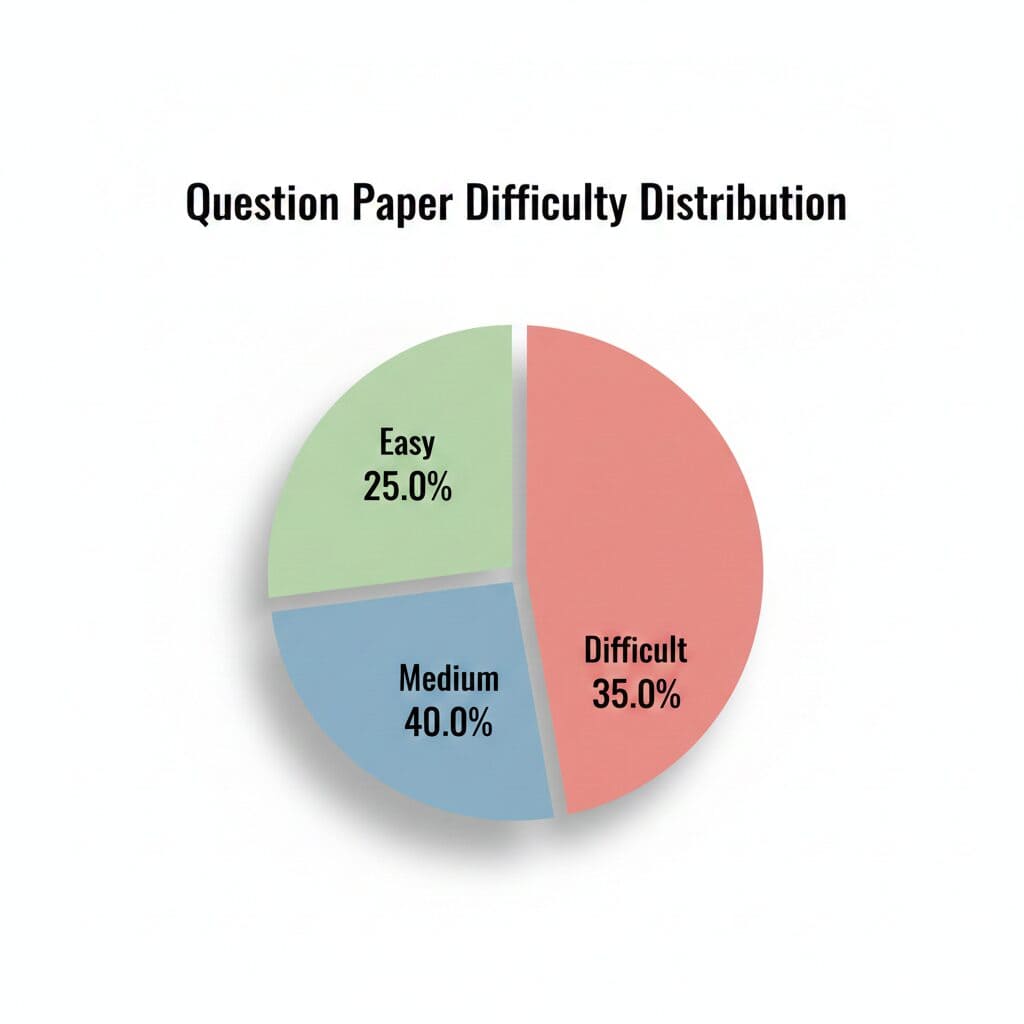
About 40% paper has medium difficulty and 25% is easy! Why not just target that? Why to spend time on the rest 35% which is difficult and will consume so much of your time? You have to understand that each question carries equal marks and hence your approach should be smart. Smart timing and smart preparation.
Let’s dive into the roadmap
Road-Map for CDS Paper 3 Mathematics
I will layout the total comprehensive Syllabus of Elementary Mathematics Paper as per UPSC and we will analyse each chapter with smart strategy.
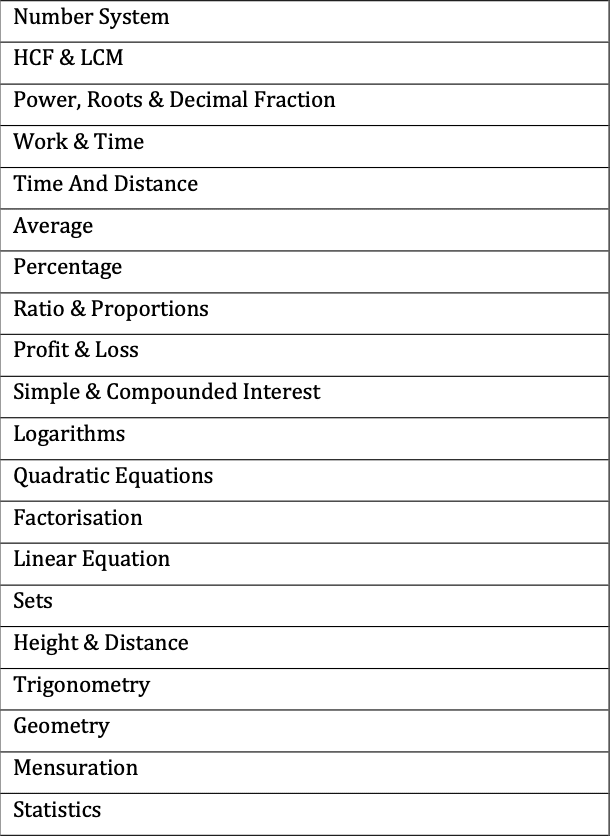
1.) Number System :
Lot to remember in this chapter but easy once you do. Carries a good weightage and mostly revolves around 4-5 types of questions. Lots of simple tricks in this chapter to learn and practice. Sometimes it’s not even tricks but simple things to memorise. e.g
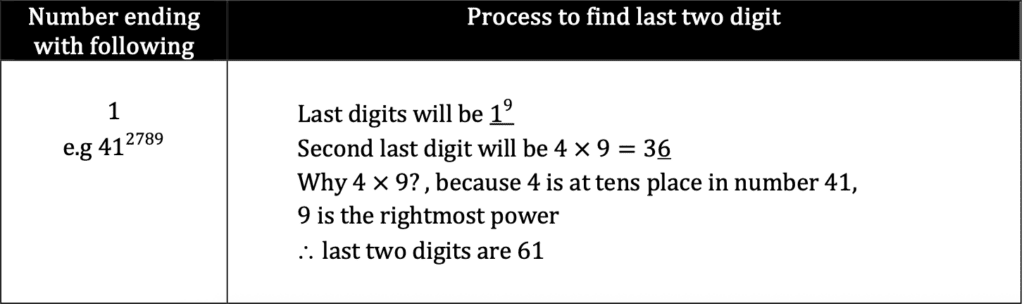
2.) HCF & LCM :
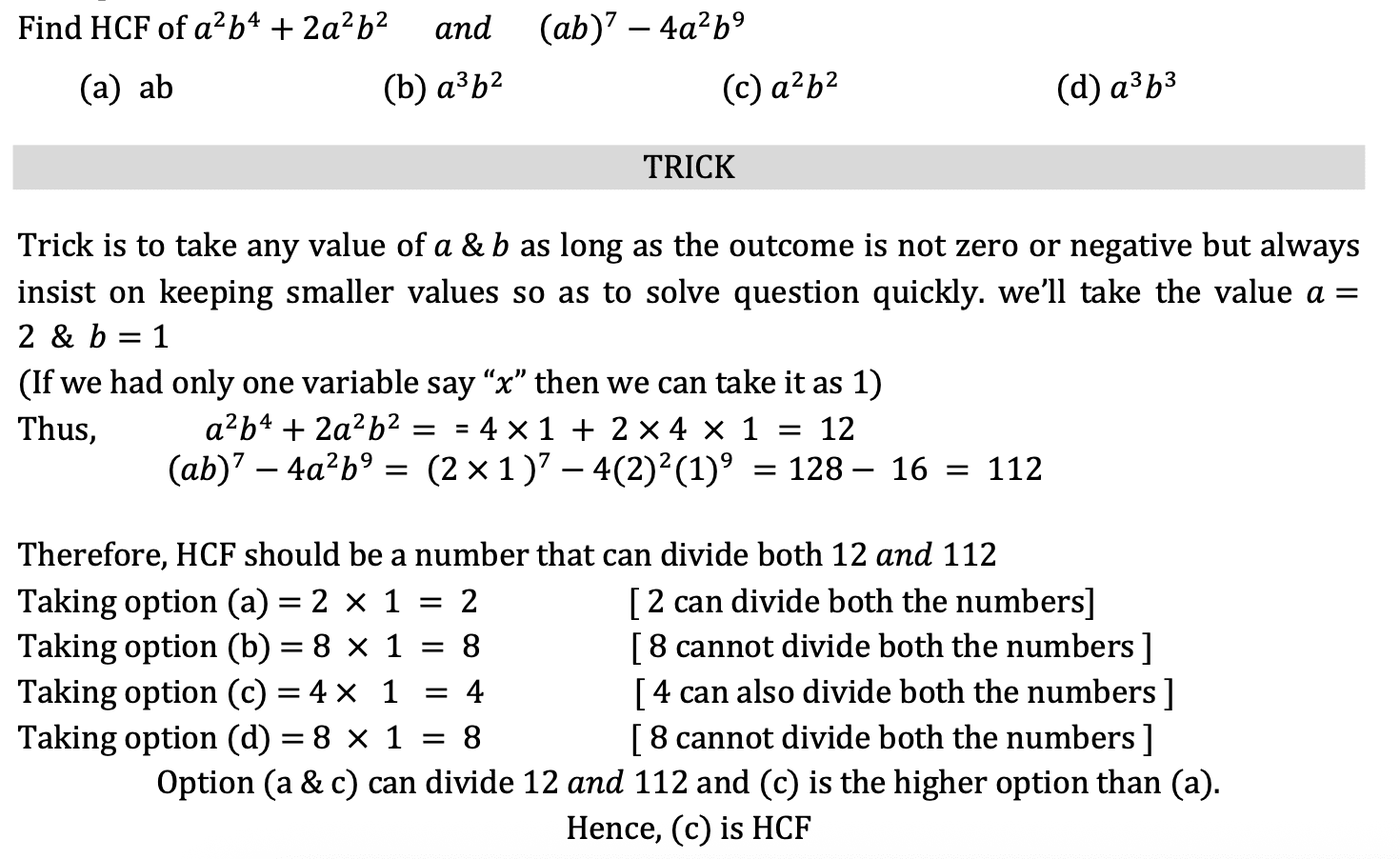
It isn’t as complex and scary as it looks. Typically, 4–5 types of questions appear in this chapter on a rotating basis. Although the concepts may seem challenging if you struggled with math in school, I assure you that simple tricks will make this chapter feel like a walk in the park. e.g
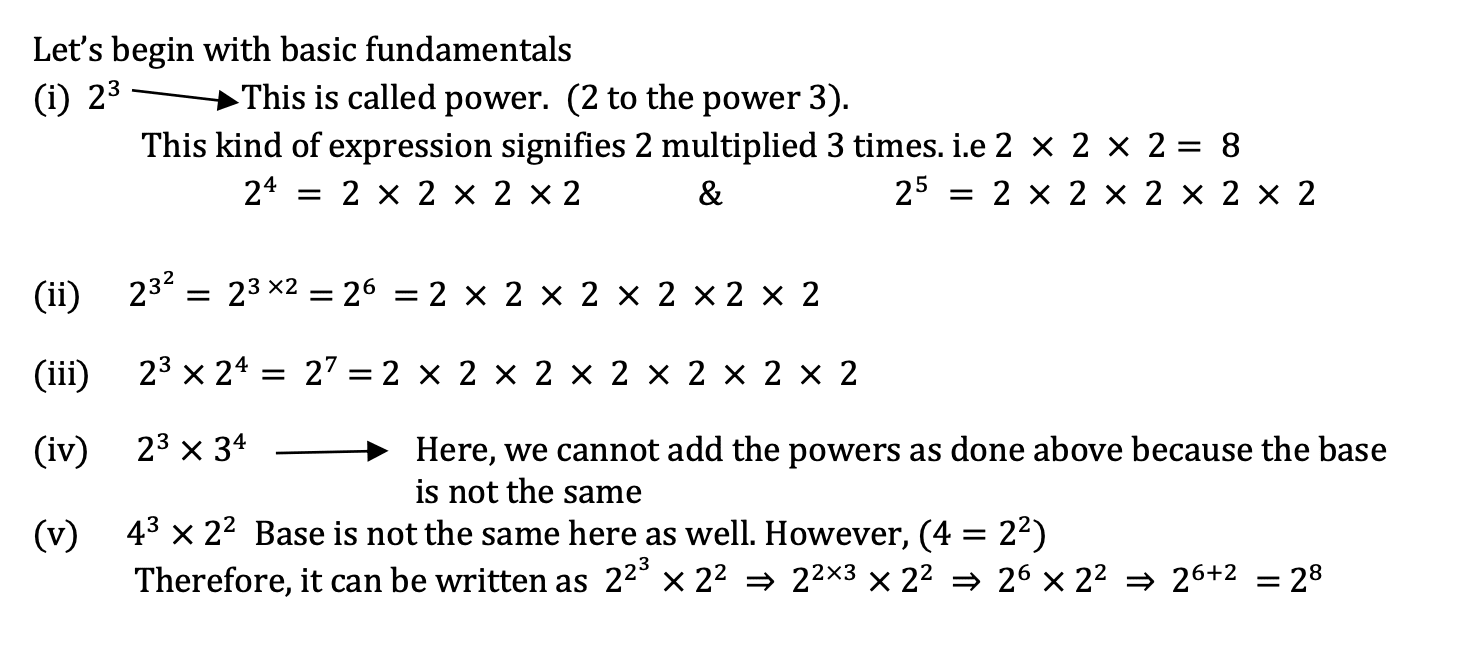
3.) Power Roots and Decimal Fraction :
This chapter has more of fundamental learning and rearrangement of numbersrather than actual problem solving. You will have to understand basics in this one. Chapter is otherwise scoring and worth investing your time. e.g
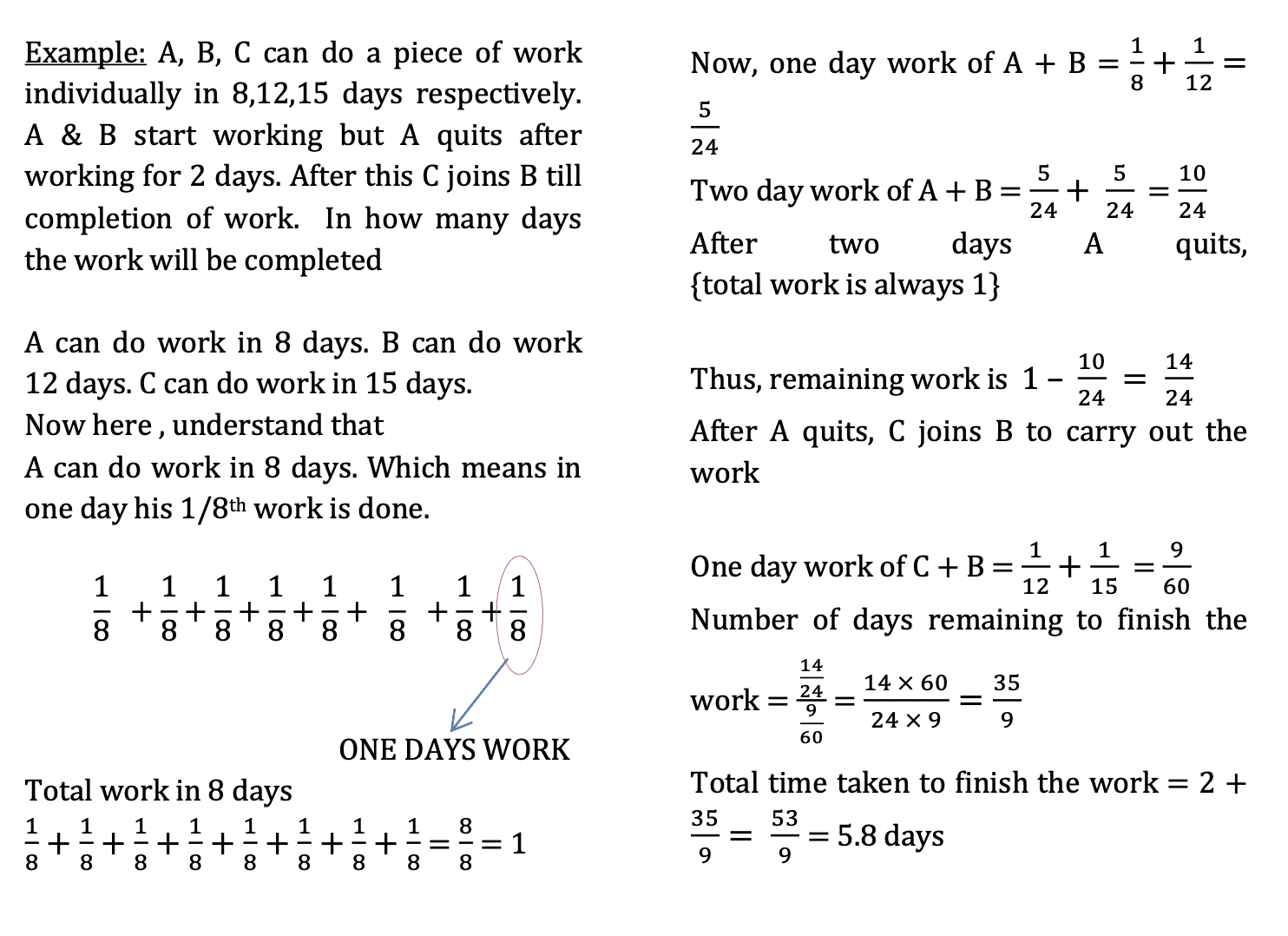
4.) Work and Time :
A chapter with 7-8 kinds of repeated questions. You just have to understand what the question is asking and why the formula is used. Once, you have that clarity there’s no way you won’t be able to solve any question related to work and time. All the Tricks will then make sense and you will not take more than 5-10 seconds to fetch the answer but first you need clarity on the very basics. e.g
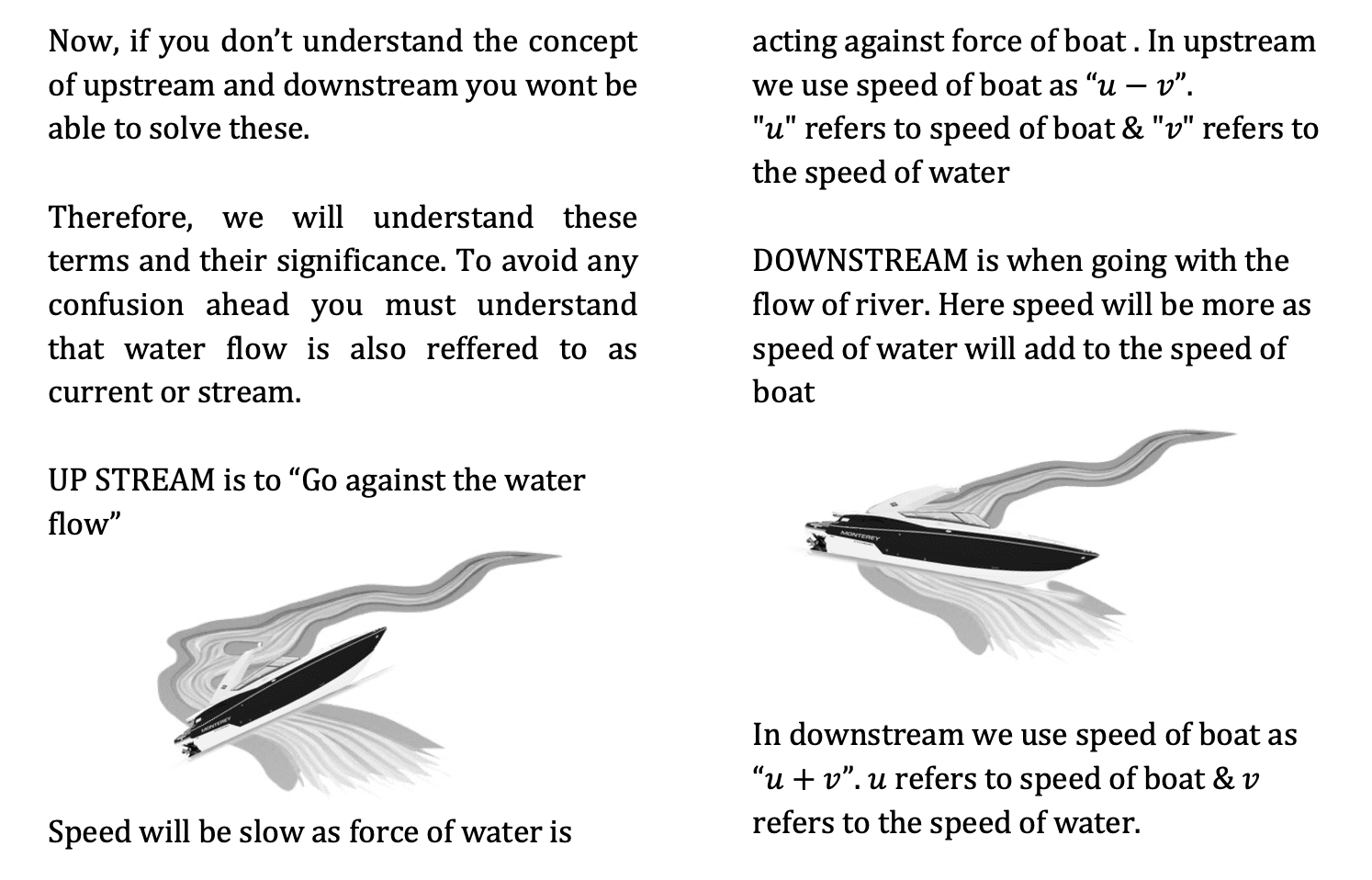
5.) Time and Distance :
In terms of understanding,This chapter is simpler than work and time. It’s full of shortcut tricks and they are easy to remember with good practice. There are only 5-6 types of questions that keep getting rotated with different figures. Here too you need to understand the concept first. Once you do that every question will make sense to you. e.g
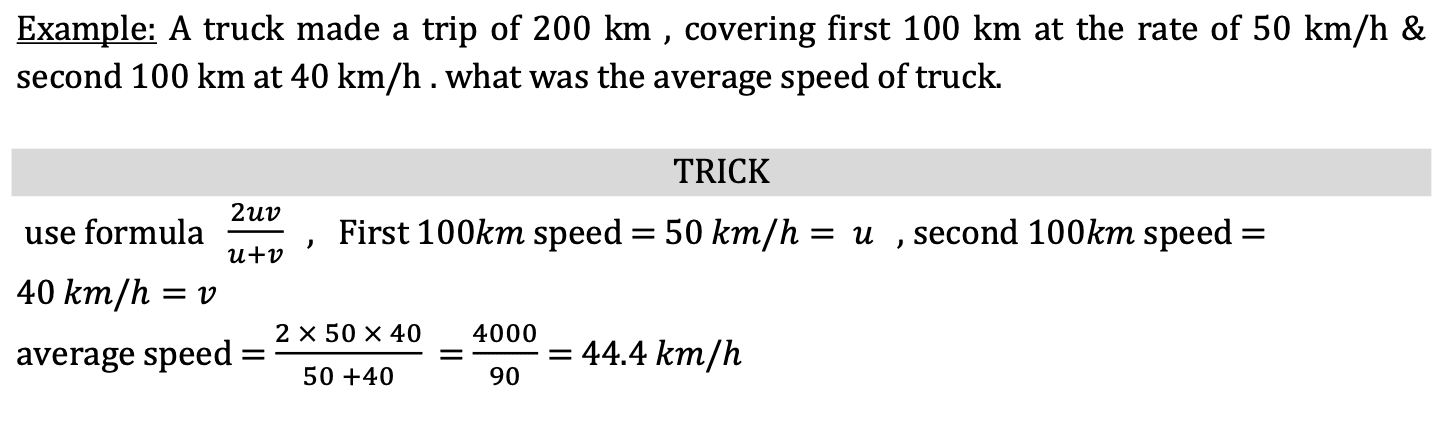
6.) Average :
Probably the simplest chapter of CDS Mathematics with guaranteed 2-3 questions. There are 4-5 types of questions asked from this chapter and extremely easy with a little practice and tricks. e.g
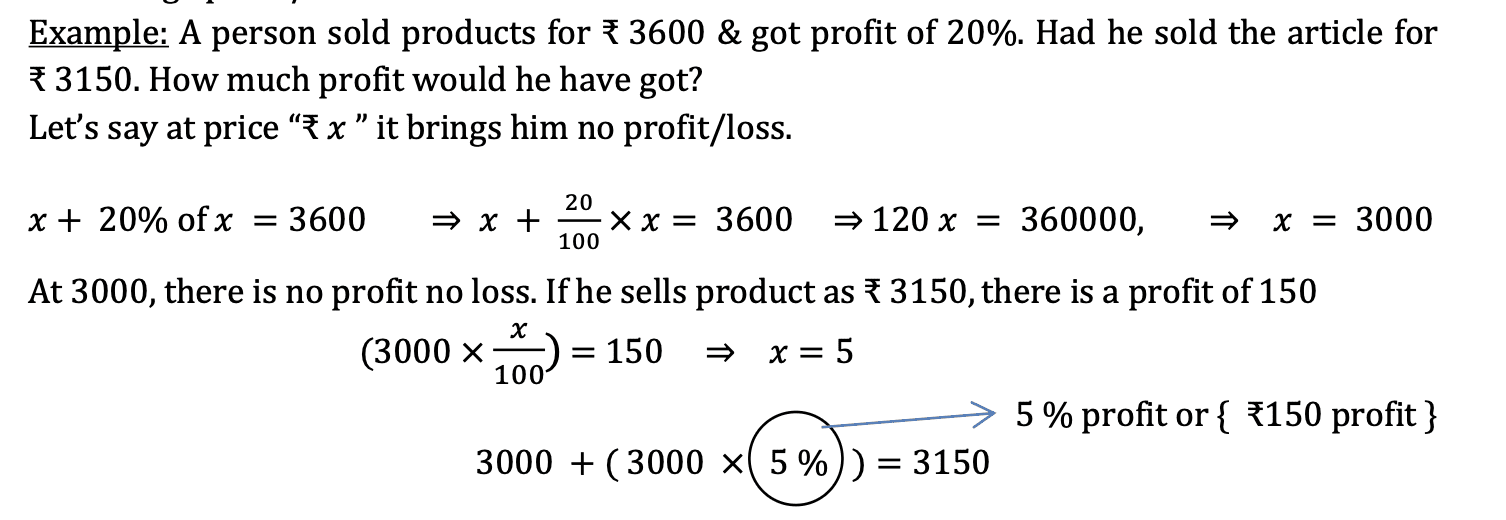
7.) Percentage :
Easy chapter with 7-8 types of questions. Understanding percentage is very important as it’s also linked with many other chapters. This is a very basic concept that should be clear before heading towards the next few chapters. e.g
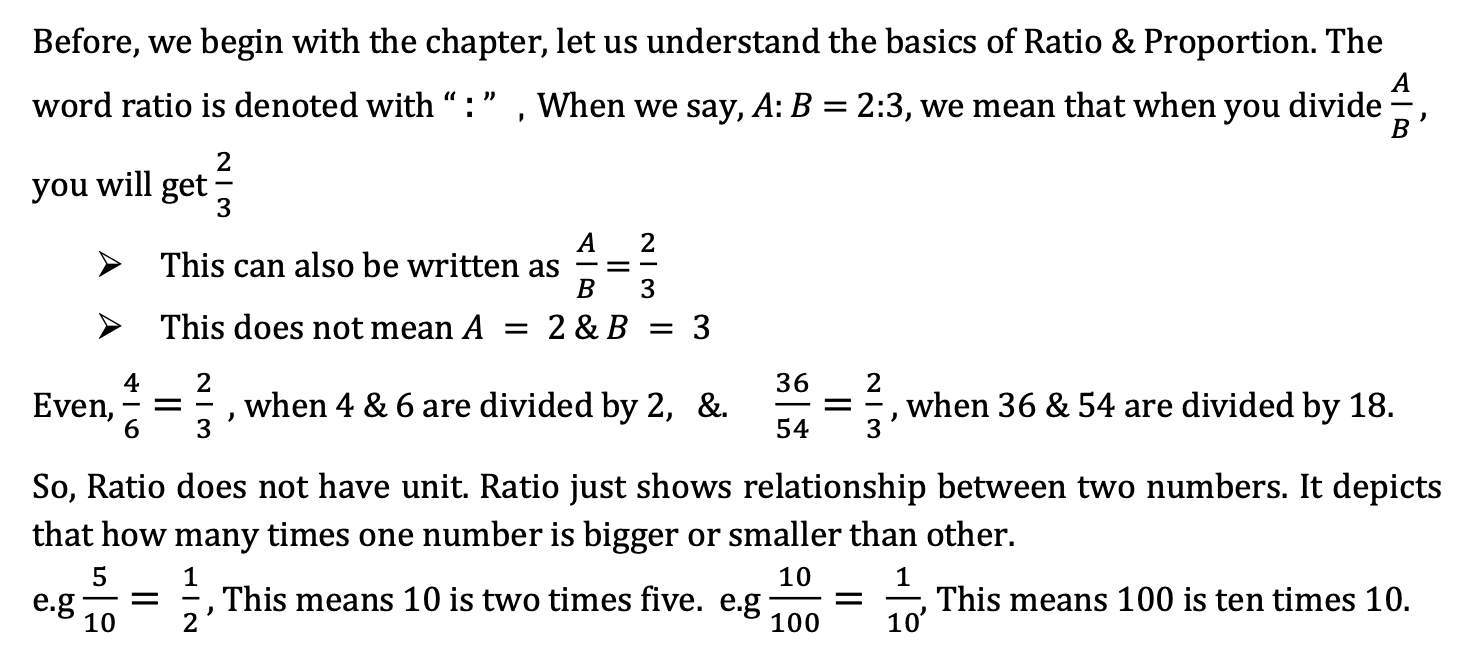
8.) Ratio and Proportions :
It’s a lengthy chapter with concepts such as mixture & allegations. There are 7 types of questions you can expect from this chapter. It’s a little complex bur chapter is fine to navigate if practiced well. There aren’t many tricks in this chapter and it’s more about learning the concepts. e.g
9.) Profit and Loss :
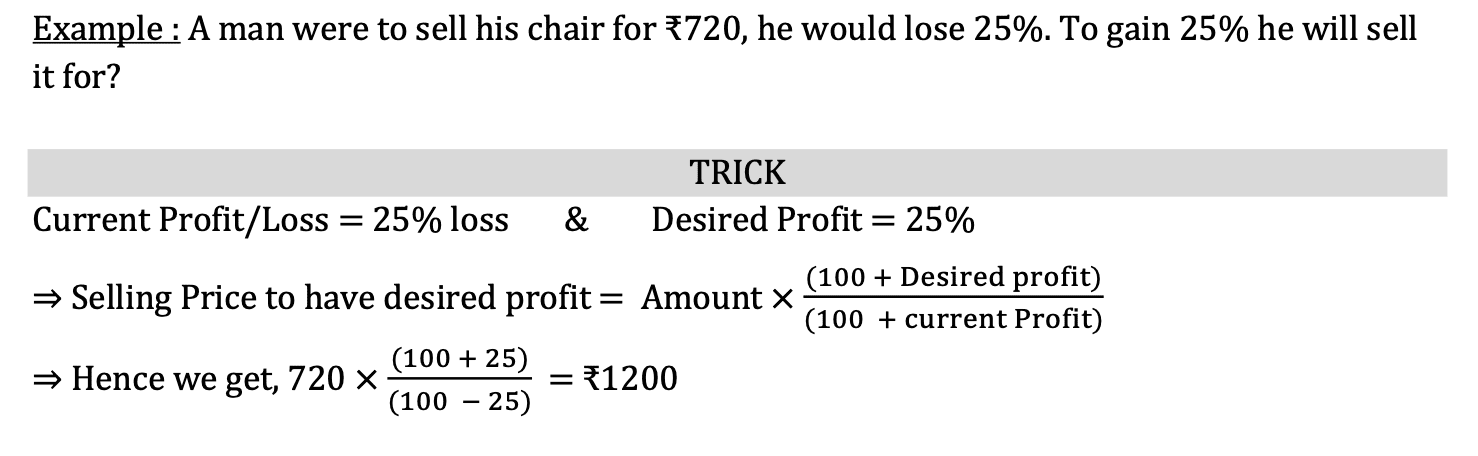
There are lots of complex concepts and 6-7 different kinds of questions you could be asked from this chapter. This chapter has a lot of confusing terms and without clarity you are heading nowhere. Tricks are also tricky and you either have to memorise them or practice well enough to understand. e.g
10.) Simple and compound interest :
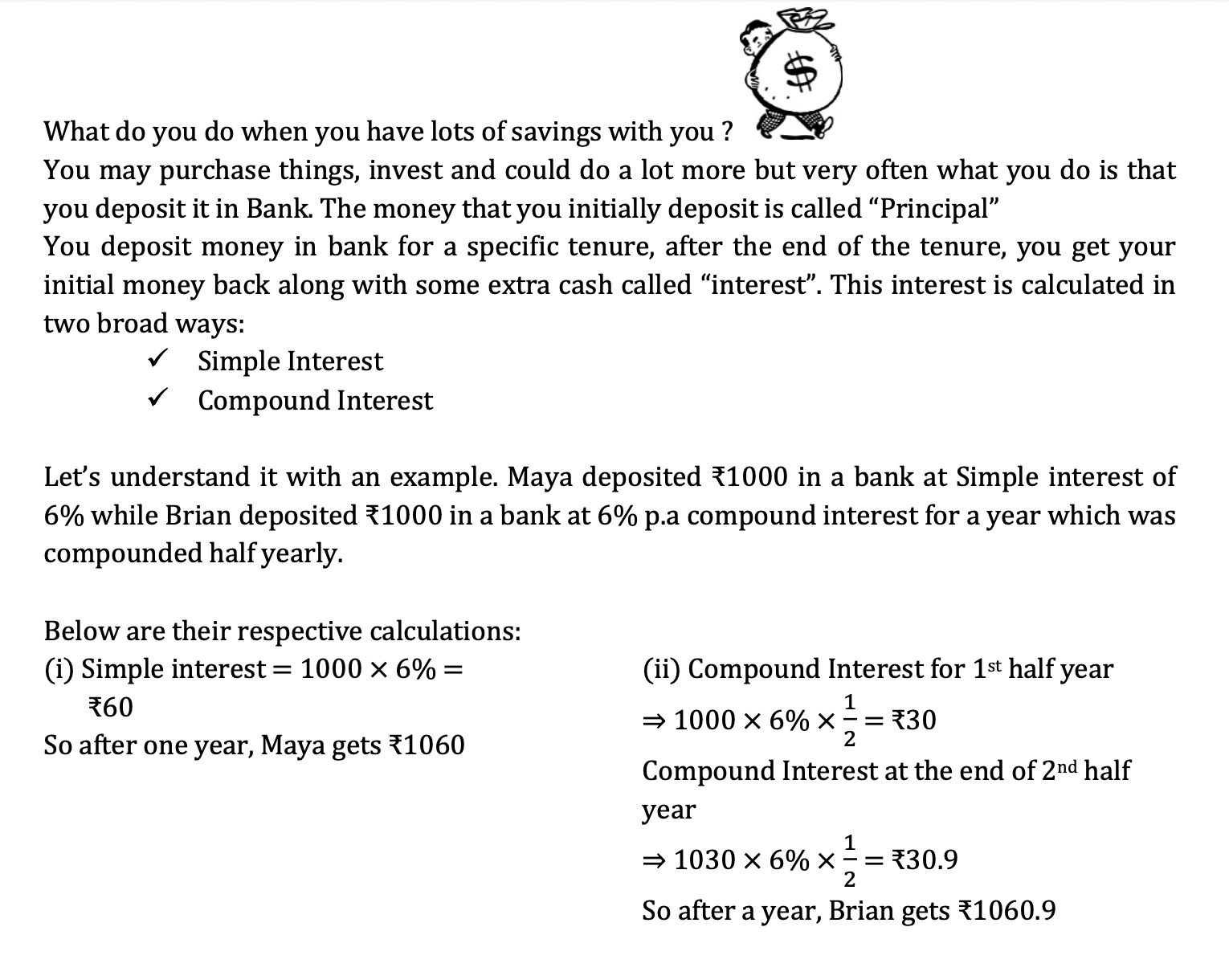
Perhaps the only chapter in which concepts and formula are also used in real life in banking and financial calculations. As a grown person you’re supposed to know this in your regular civil life too. There are 5-6 types of questions asked from this chapter. Chapter is otherwise Simple and full of tricks that makes solving question in 5-10 seconds a reality. You must understand the concept in detail before moving to practice exercise. e.g
11.) Logarithm :
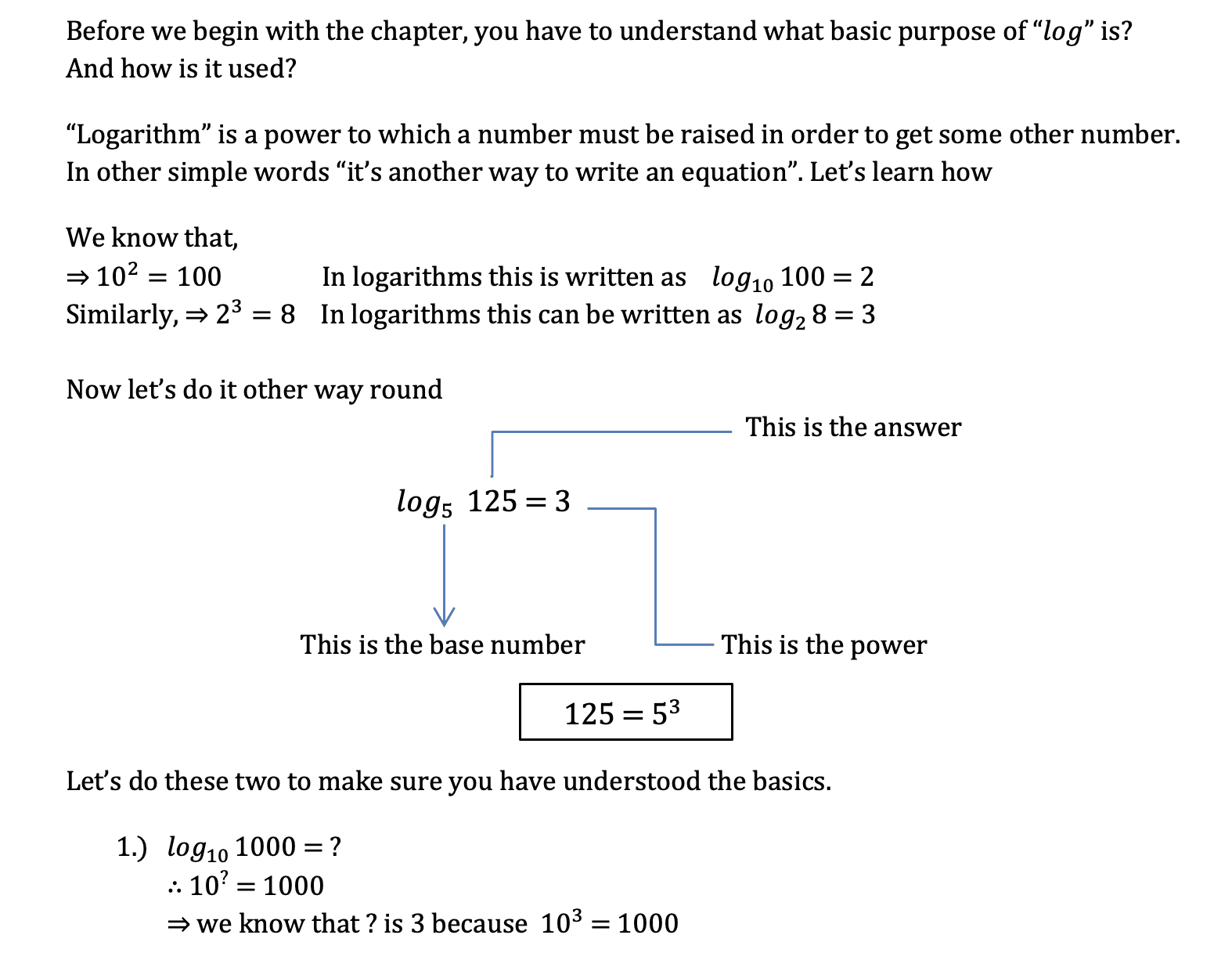
Perhaps the shortest chapter in CDS Maths syllabus. There are only two types of questions that can be asked from this chapter. Both are simple once you know what logarithm is? and why is it used?. e.g
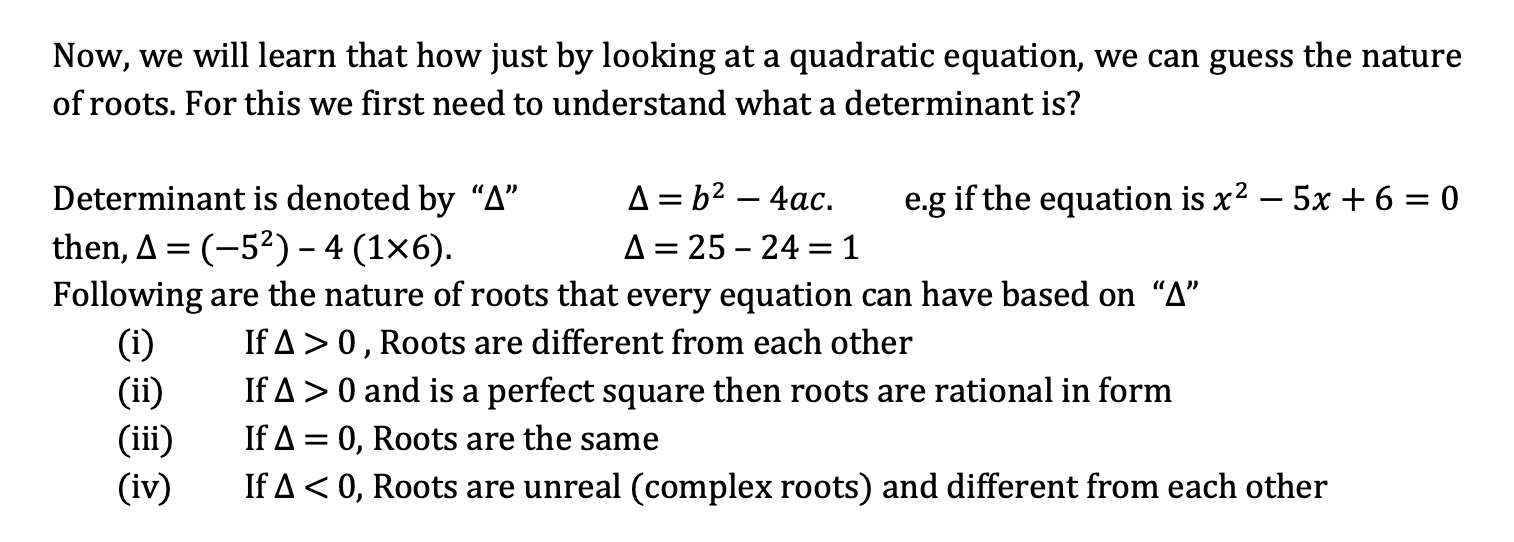
12.) Quadratic equations :
Interesting chapter & important because its concepts are used in many other chapters. There can be four types of questions that can be asked from this chapter. This chapter has many simple tricks that can be used to solve the question in seconds. Easy to solve too once you understand the terminology e.g
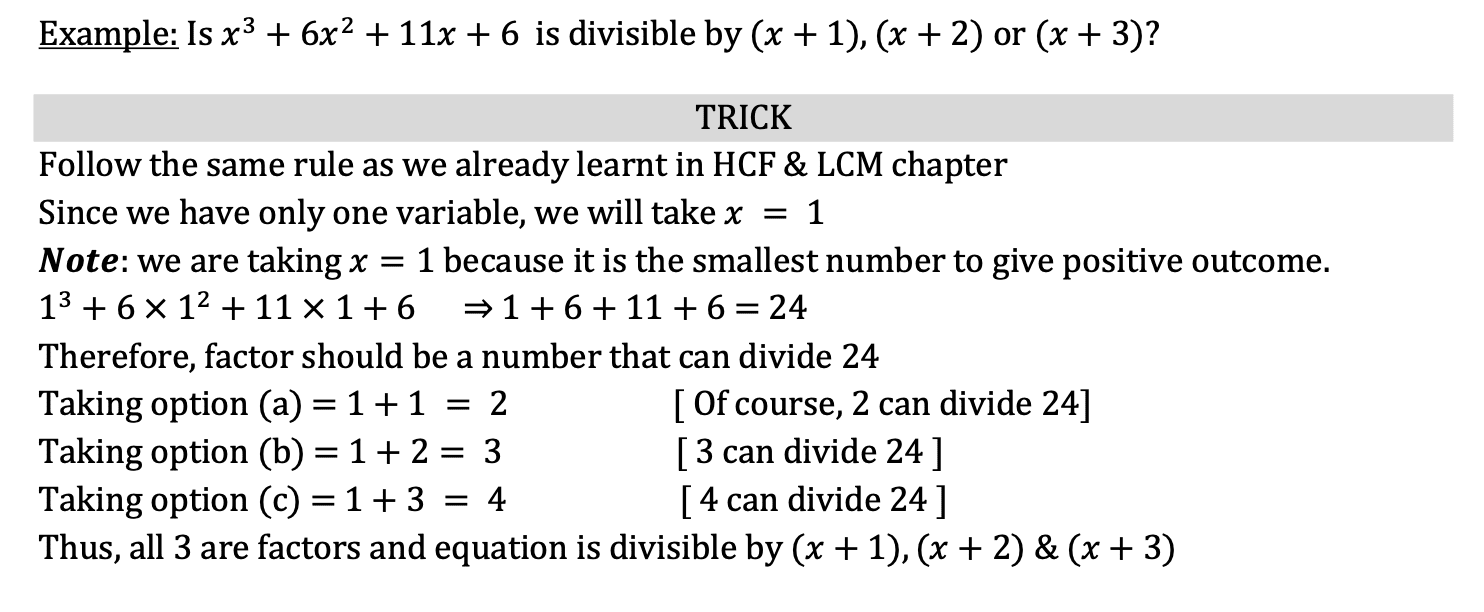
13.) Factorisation :
This is to be learnt after quadratic equation. There are 7-8 types of questions asked from this chapter. Simple tricks in the chapter makes it easy to solve complex and time taking questions in seconds.
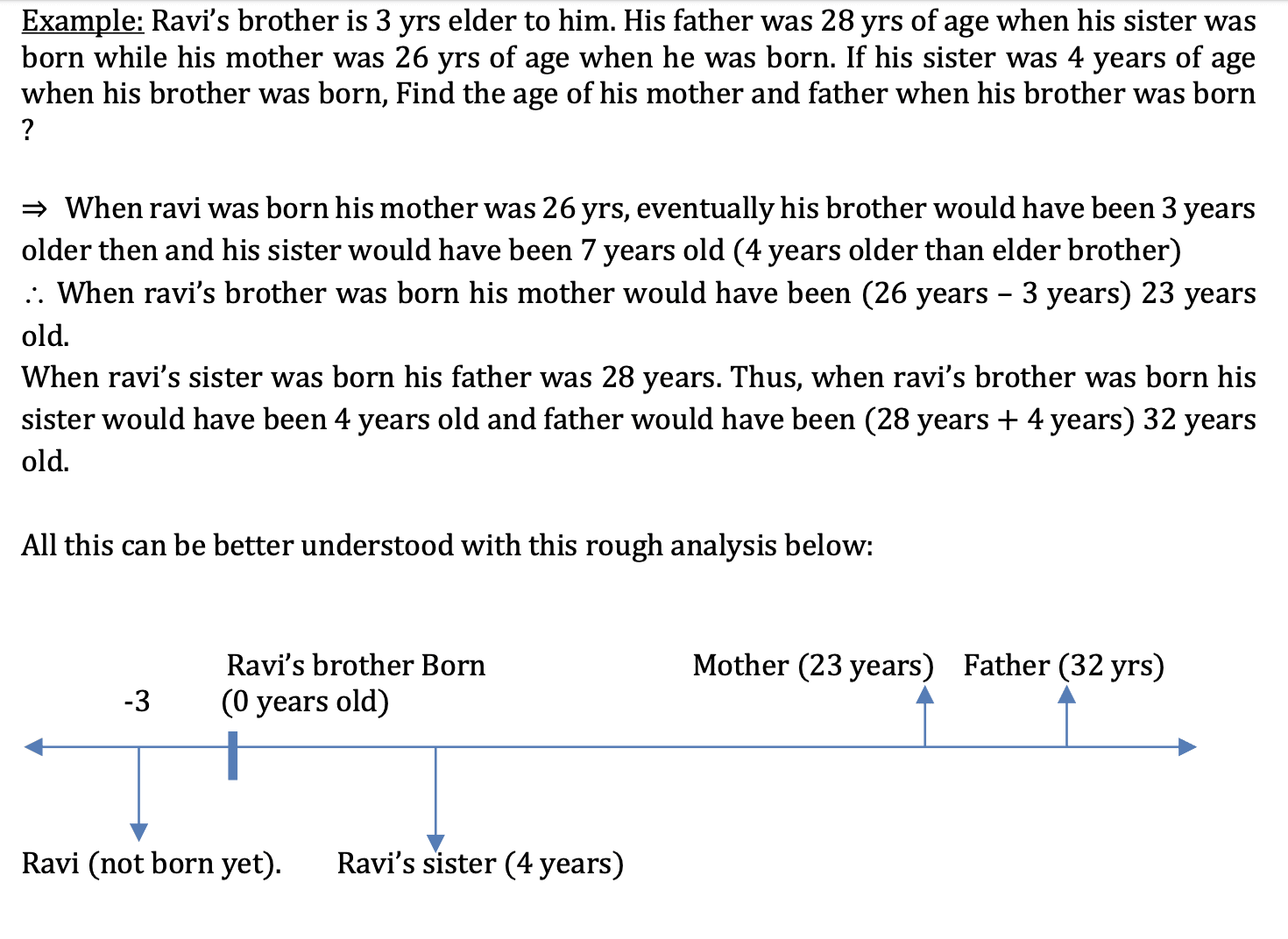
14.) Linear Equations :
Very simple yet very tricky. This chapter features five distinct question types. Simply identify and translate it into the correct equation. Once you have set up the equation, you have essentially solved the problem. e.g
15.) Sets :
This is a whole new chapter that you may or may not have studied in your school till class Xth based on your curriculum i.e CBSE, State Board. Start with a solid foundation by learning the core principles of sets. While you will broadly see four types of questions in this section, you cannot use tricks to solve them. Instead, apply traditional formulas and your own logical understanding to reach the solution. e.g

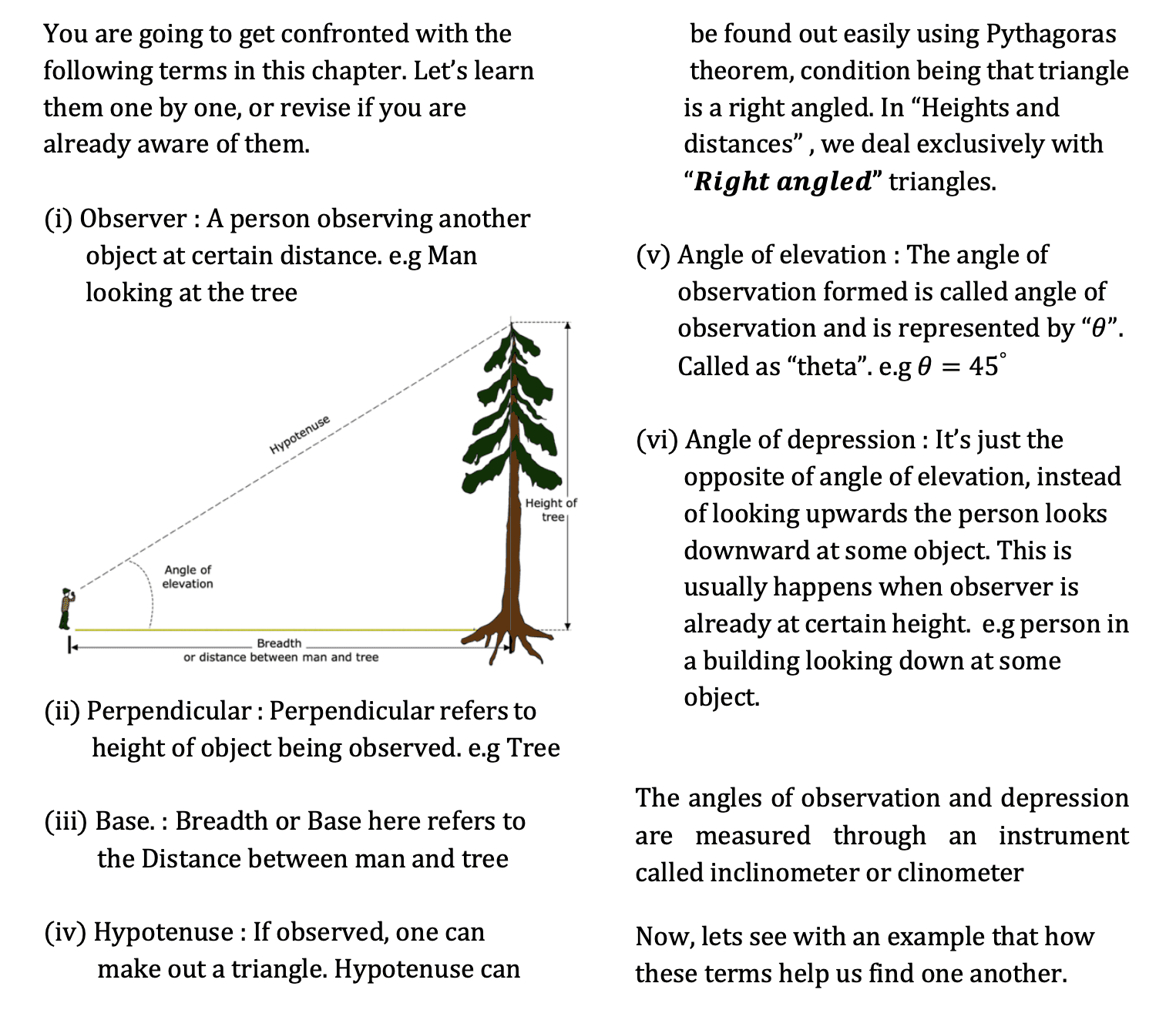
16.) Height and Distance :
if you can draw the diagram right then you have literally solved the question. It requires a lot of practice and understanding what the question is trying to ask. Height and distance is basic introduction to trigonometry. There are no tricks but the entire chapter can be summed up in four types of questions.
17.) Trigonometry :
This is considered as the toughest in CDS Mathematics. There are 7 types of questions that can be asked from this chapter. Its tough because it really requires solving question properly step by step with core application of formula. This eats a lot of your time and you could still go wrong. Not just that, in order to apply formula you need to know trigonometric identities and positive, negative values of angles. e.g
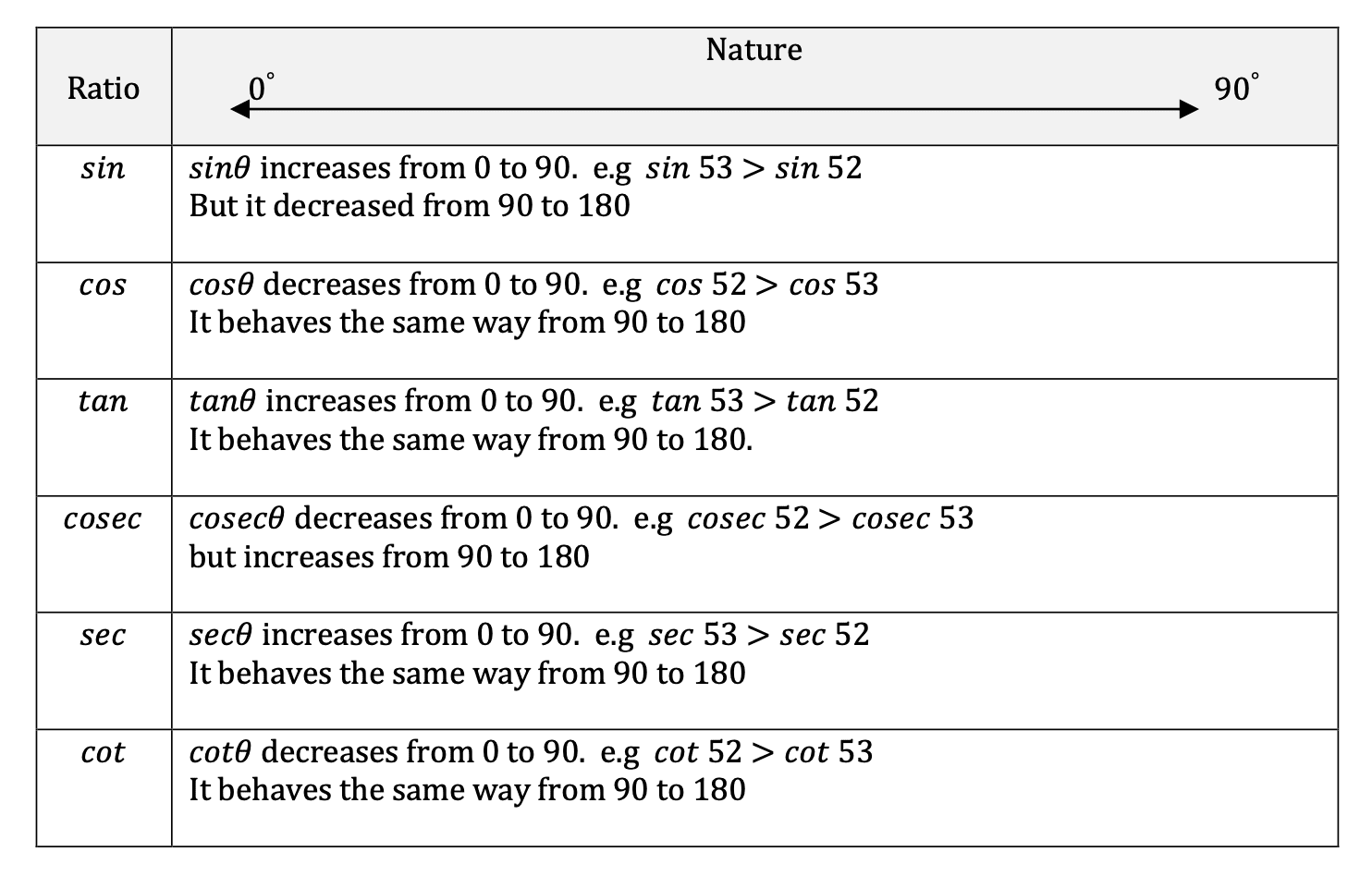
18.) Geometry :
This is the lengthiest chapter alongside mensuration. Although this chapter contains seven distinct question types, mastering them requires a deep understanding of various laws, identities, and properties. Consequently, you must prepare for a lengthy study session; note that standard shortcuts or tricks rarely apply to this chapter. It’s all fundamental learning. e.g
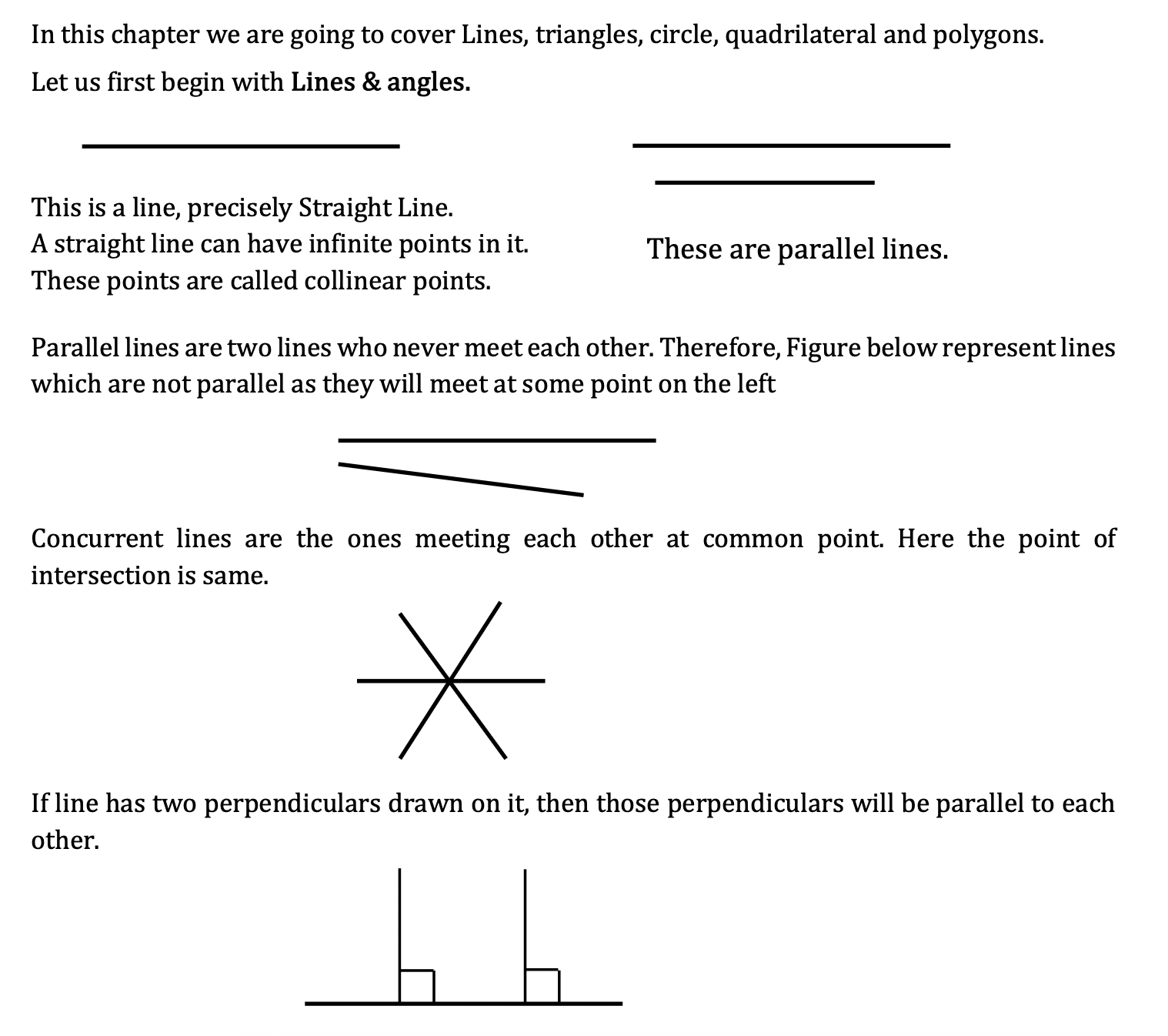
19.) Mensuration :
Another lengthy chapter requires learning of terms, formulas, 3 dimensional geometric figures. Real life application, clocks and more. This chapter will take a good long time to cover. It is divided into 3 sections and again no tricks are useful here. It’s all fundamentals.
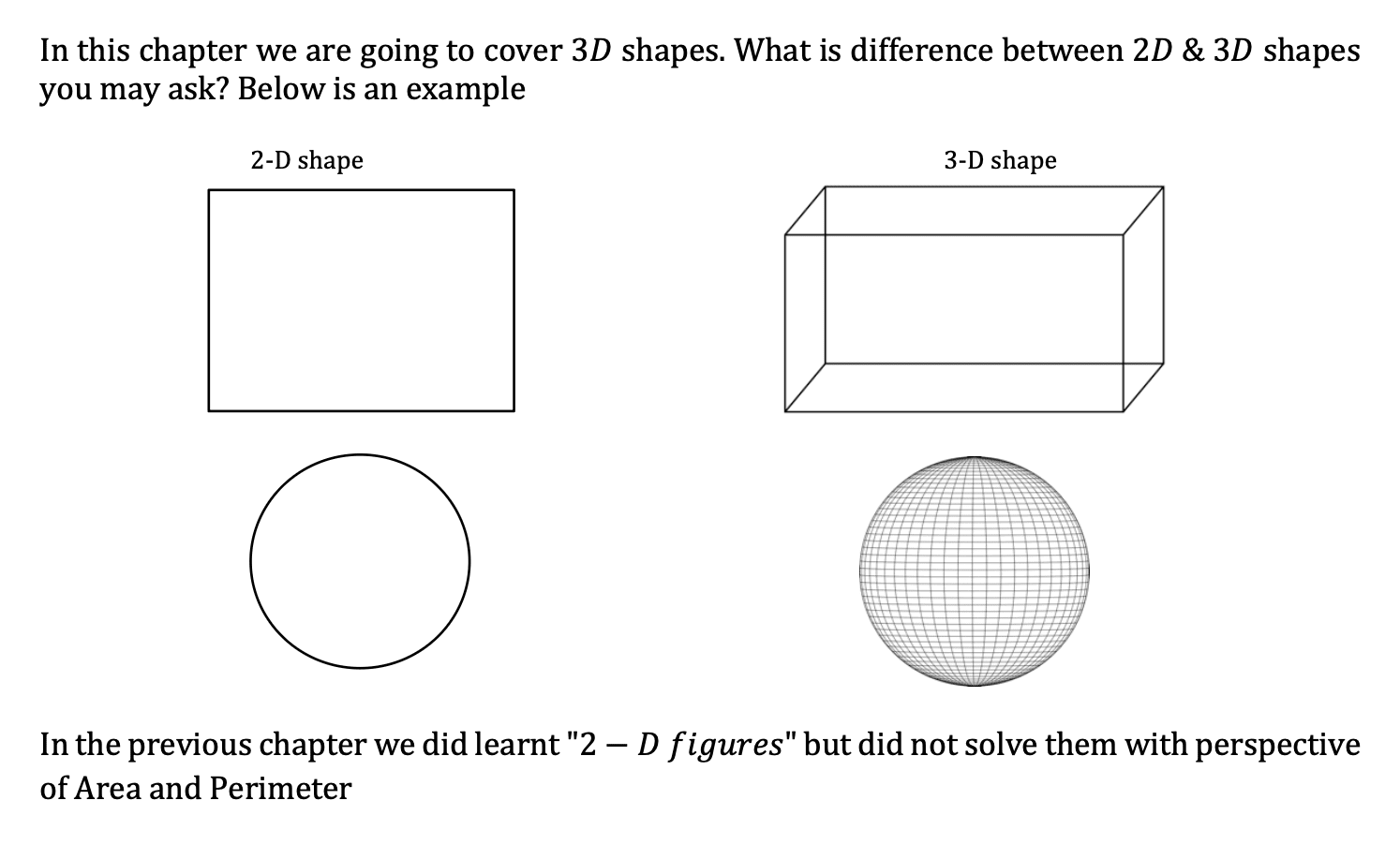
20.) Statistics :
Three sections Mean, Median and Mode make up statistics. You must practice more and more questions for proficiency. Calculation based questions will take time as there are no tricks here. While graphs, charts are also a part in this calculation, most of the statement based questions come from this chapter. e.g
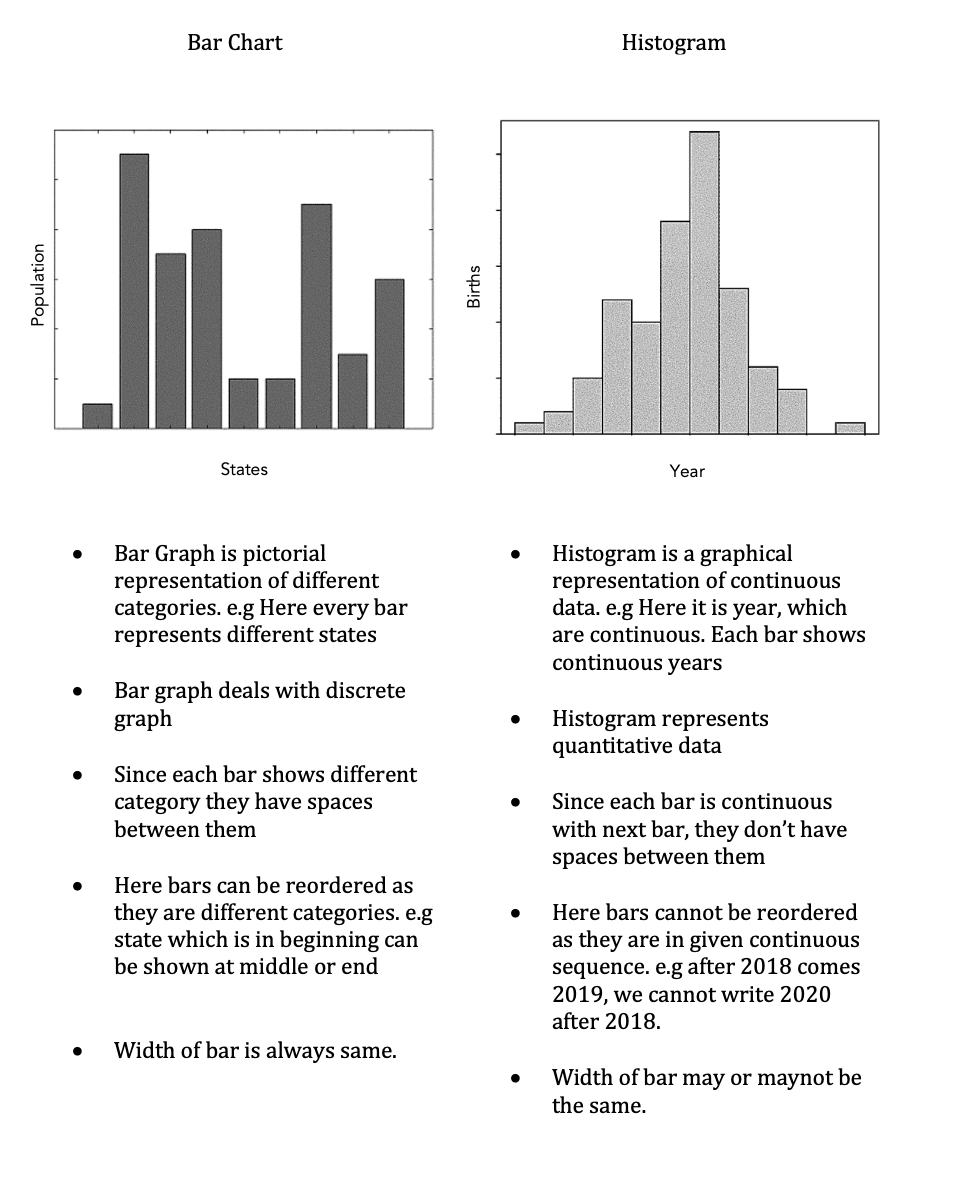
This covers your entire Mathematics Syllabus. Now, if you are weak at Mathematics and just aiming to somehow clear the exam then skip the tough chapters like Trigonometry, Mensuration. Both are very lengthy chapters and you can devote that time to the rest of the chapters. Complex chapters like factorisation, Profit and loss and ratio and proportions can also be skipped in such case.
If you have a fair grasp of Mathematics or simply aspire to improve then it is vital to cover the syllabus in its entirety. In such a case, there is no room for skipping chapters. Accordingly, approach each topic in a systematic manner. As seen above each chapter has fixed types of questions that are asked on rotation. What changes is figures and manner of asking question. Additionally, when starting a chapter we suggest mastering each question type individually before attempting the practice exercises at the end. In particular, you should diligently practice chapters that allow for shortcut tricks. Mastering these shortcuts will save you valuable time, which you can then allocate to more complex chapters where shortcuts are scarce.”
Study material for CDS Mathematics?
The manner of explanation as shown above and the chapters being divided into fixed types questions that are asked in exam is something you can find again in MISSION CDS 2026 Book
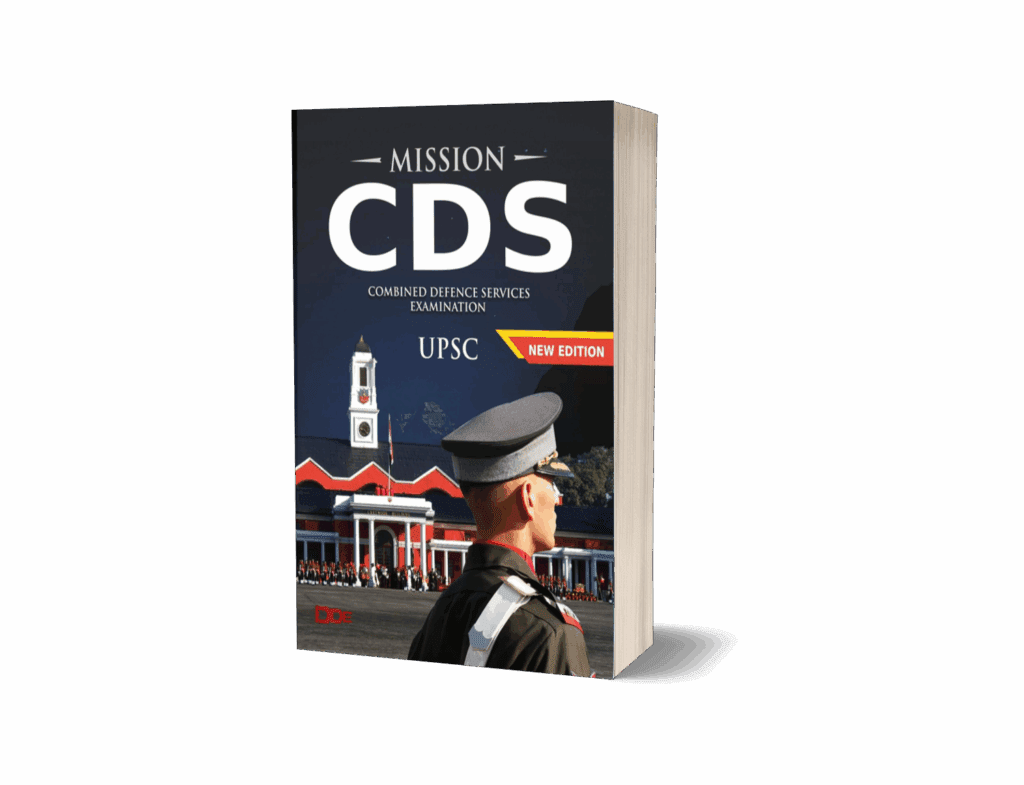
The mathematics section of this book goes level wise and full of shortcut methods wherever applicable. It’s written in simple language as if someone is talking to you! Practice questions for each type of questions are given for good hold of concept. Solved practice exercise at the end of each chapter makes excellent impact on your preparation.
If you are just looking for just a Mathematics Book then I recommend you CDS Maths : Fastrack with Shortcut Tricks. This book has everything mentioned above and an additional question bank that makes up for a good practice.
How to attain Speed in CDS Maths Paper?
Finally, you should complete a mock test every week from CDS Countdown. Taking these tests forces you to improve your pace and identify exactly where you get stuck. To get the most out of this, Test yourself on physical OMR sheets and separate question booklets to build authentic exam practice. It should replicate exact same environment as your actual pen and paper exam.
Each week, starting with 1st paper, test yourself in that environment keeping a proper timer as if it is your actual attempt. Once finished analyse your booklet (do not just check answer key). See where you did wrong calculation? what went wrong? You will learn a lot this way. Your marking in OMR Sheet will improve, your ability to skip questions will improve, your ability to attempt paper without anxiety will become a reality.
Furthermore, keep the Marking technique that we learnt at the beginning of blog in mind.
By the 10th Mock Test paper, you will be completely prepared to score 50+ easily.
These were all the Recommend Books that have proven successful over the years and we believe will be a path to your success.

 Order Now on Amazon