



How many marks do you need to clear CDS Mathematics paper? 30?
See the latest official 2025 cutoff marks below
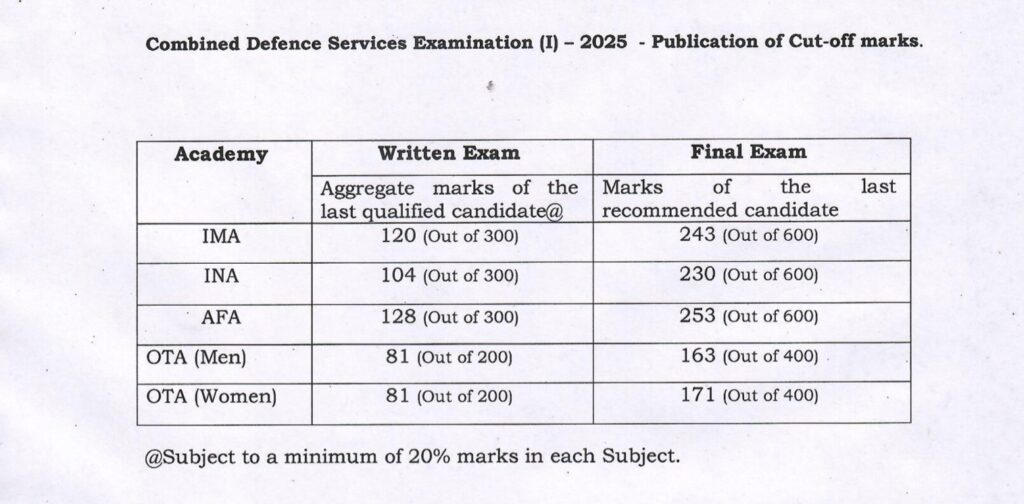
You will notice that you need an additional 39 marks for IMA, 23 marks for INA, and 47 marks for AFA
What is different for Mathematics paper is that there are 100 questions as against 120 questions in Paper 1 – English and Paper 2 – General knowledge. Each question carries one marks. In the above specific paper you’ve to get 23 marks minimum for IMA and at least 47 marks for AFA.
On average you have to get 40 Marks in this paper which basically sums out to 40 correct answers and that can be very easy!
CDS Mathematics paper will almost certainly in every attempt be a lengthy paper. Medium difficulty but lengthy paper. Why medium difficulty? Take a look at the chart below
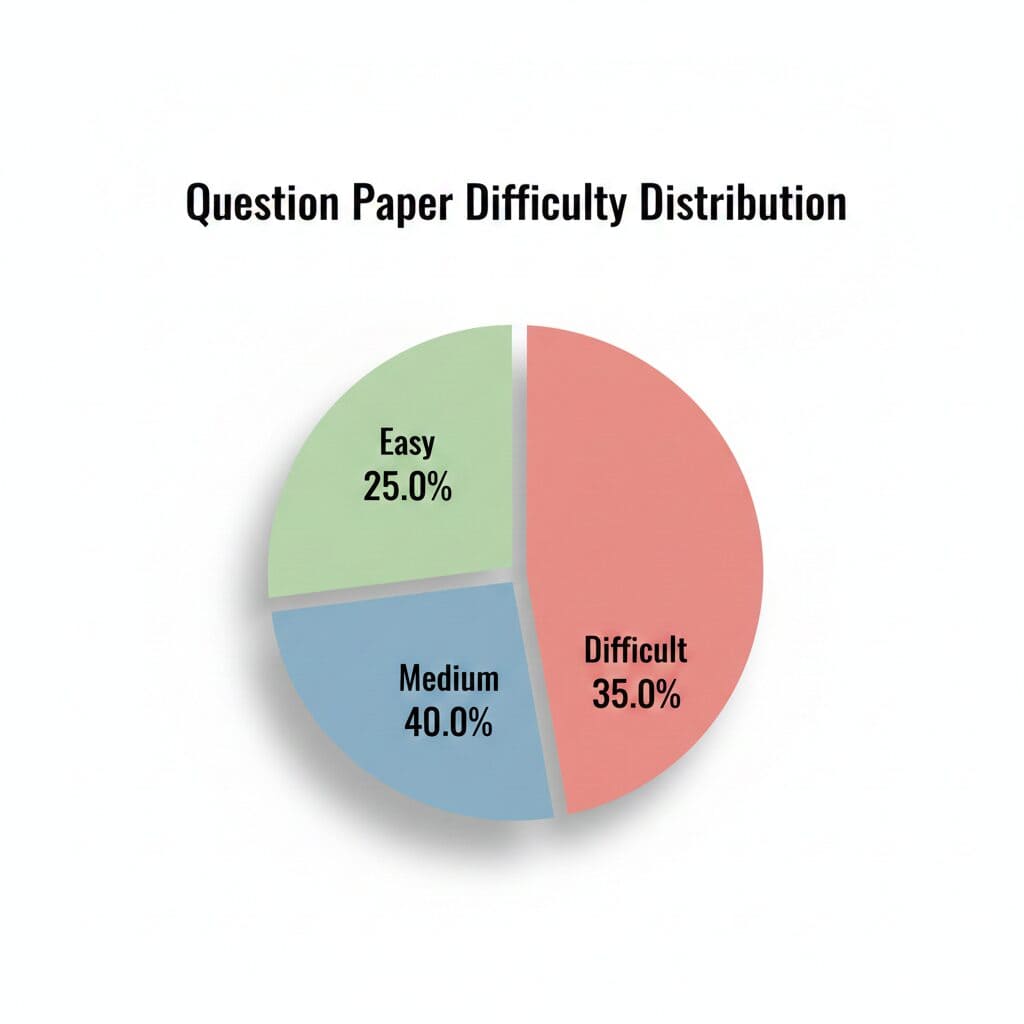
About 40% paper has medium difficulty and 25% is easy! Why not just target that? Why to spend time on the rest 35% which is difficult and will consume so much of your time? You have to understand that each question carries equal marks and hence your approach should be smart. Smart timing and smart preparation.
Let’s dive into the roadmap
Road-Map for CDS Paper 3 Mathematics
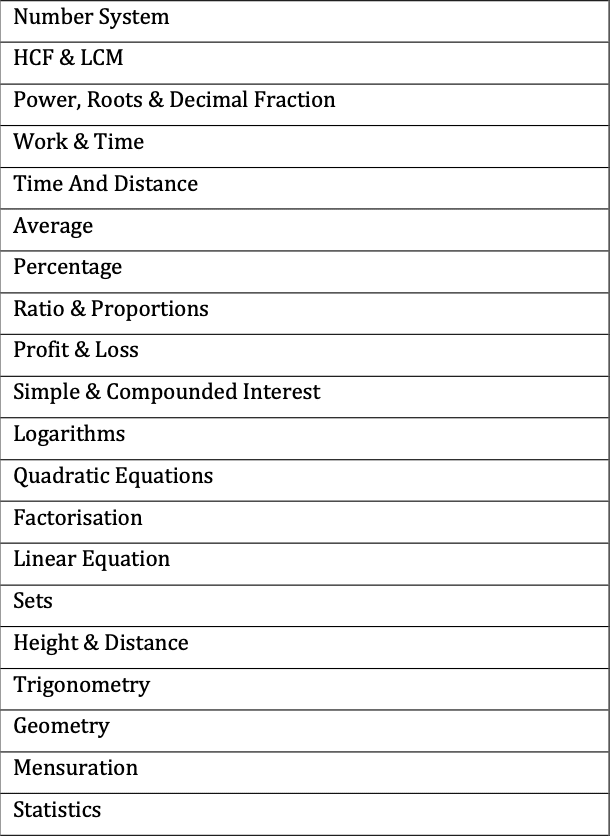
I will layout the total comprehensive Syllabus of Elementary Mathematics Paper as per UPSC and we will analyse each chapter with smart strategy.
1.) Number System :
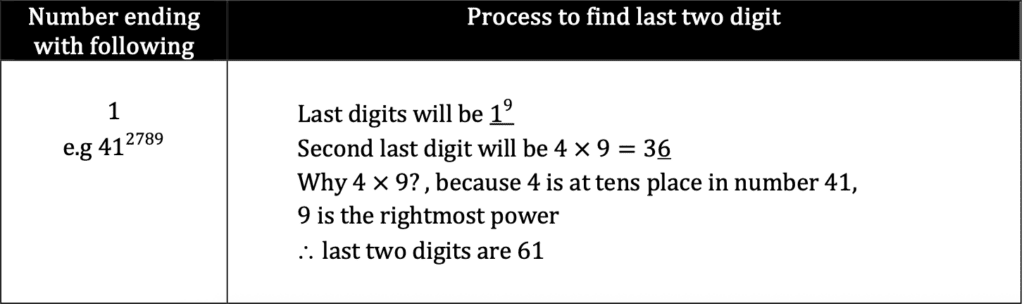
Lot to remember in this chapter but easy once you do. Carries a good weightage and mostly revolves around 4-5 types of questions. Lots of simple tricks in this chapter to learn and practice. Sometimes it’s not even tricks but simple things to memorise. e.g
2.) HCF & LCM :
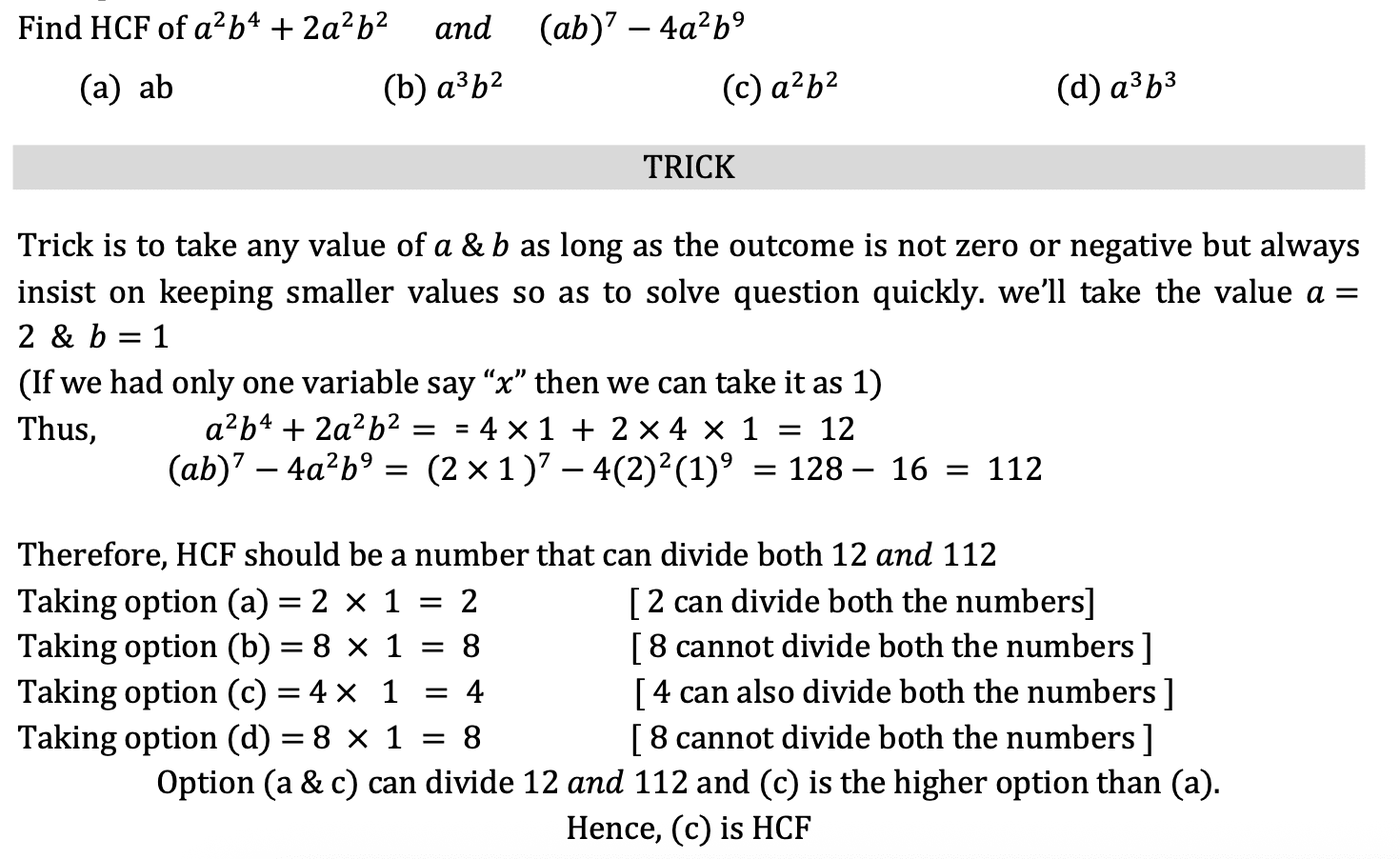
It isn’t as complex and scary as it looks. Typically, 4–5 types of questions appear in this chapter on a rotating basis. Although the concepts may seem challenging if you struggled with math in school, I assure you that simple tricks will make this chapter feel like a walk in the park. e.g
3.) Power Roots and Decimal Fraction :
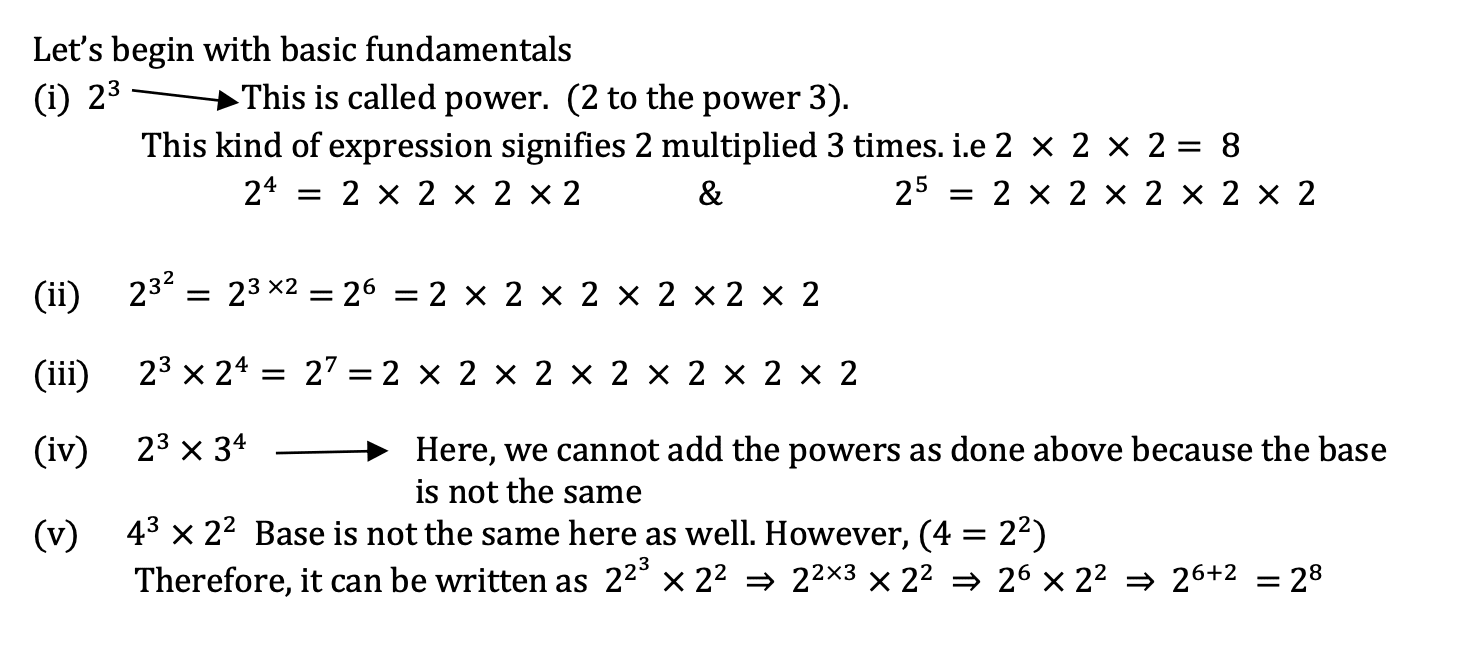
This chapter has more of fundamental learning and rearrangement of numbersrather than actual problem solving. You will have to understand basics in this one. Chapter is otherwise scoring and worth investing your time. e.g
4.) Work and Time :
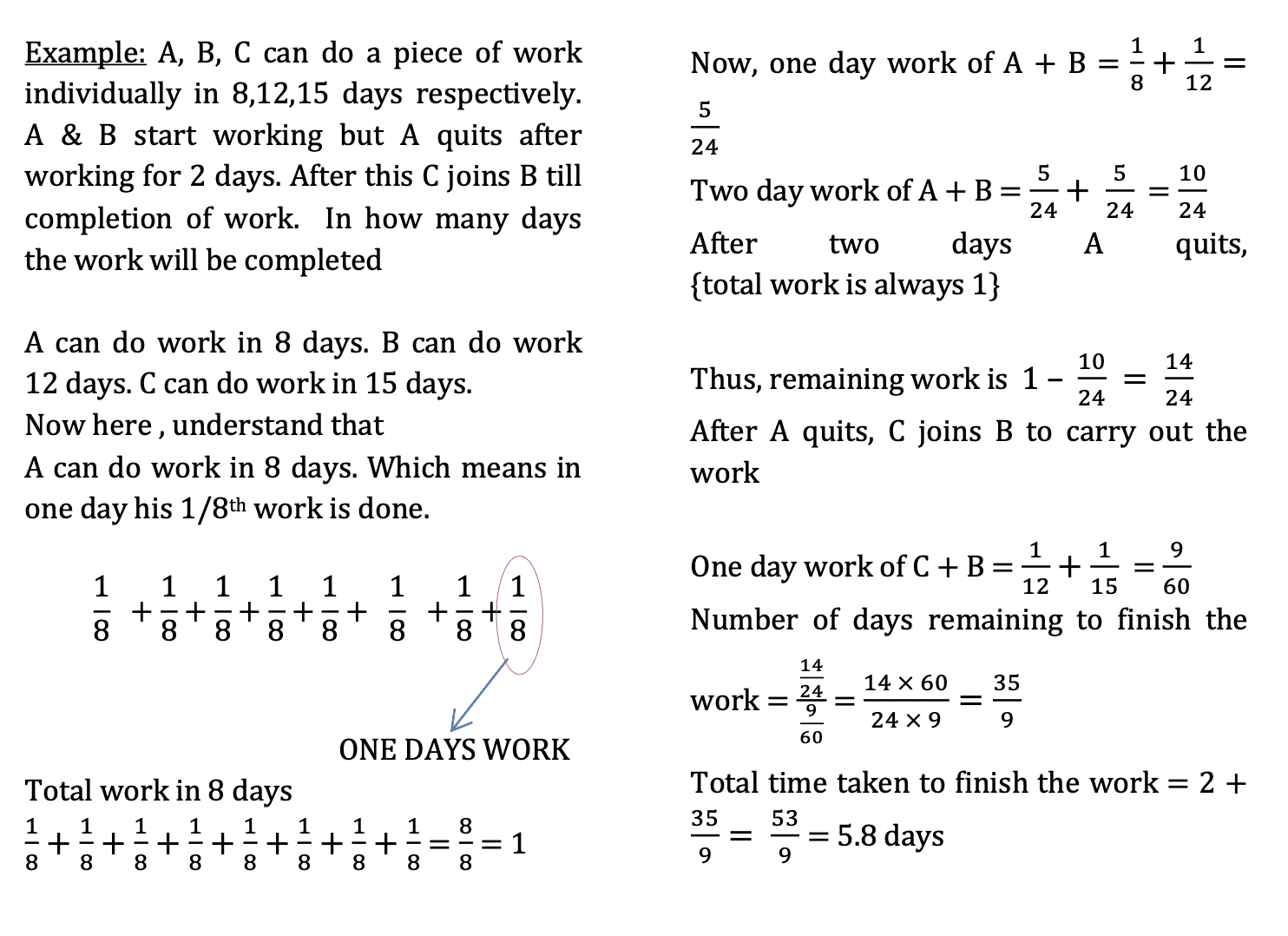
A chapter with 7-8 kinds of repeated questions. You just have to understand what the question is asking and why the formula is used. Once, you have that clarity there’s no way you won’t be able to solve any question related to work and time. All the Tricks will then make sense and you will not take more than 5-10 seconds to fetch the answer but first you need clarity on the very basics. e.g
5.) Time and Distance :
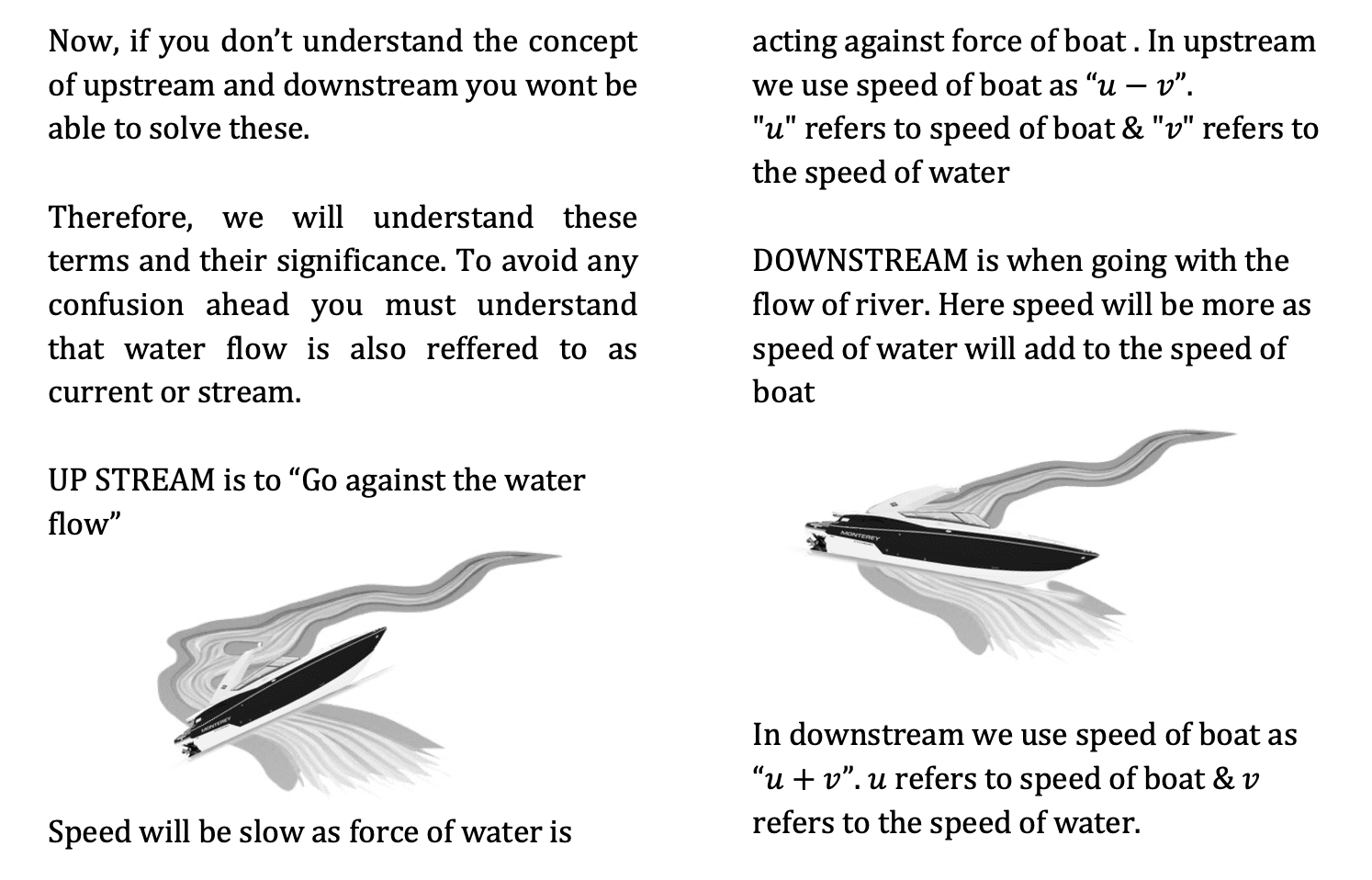
In terms of understanding,This chapter is simpler than work and time. It’s full of shortcut tricks and they are easy to remember with good practice. There are only 5-6 types of questions that keep getting rotated with different figures. Here too you need to understand the concept first. Once you do that every question will make sense to you. e.g
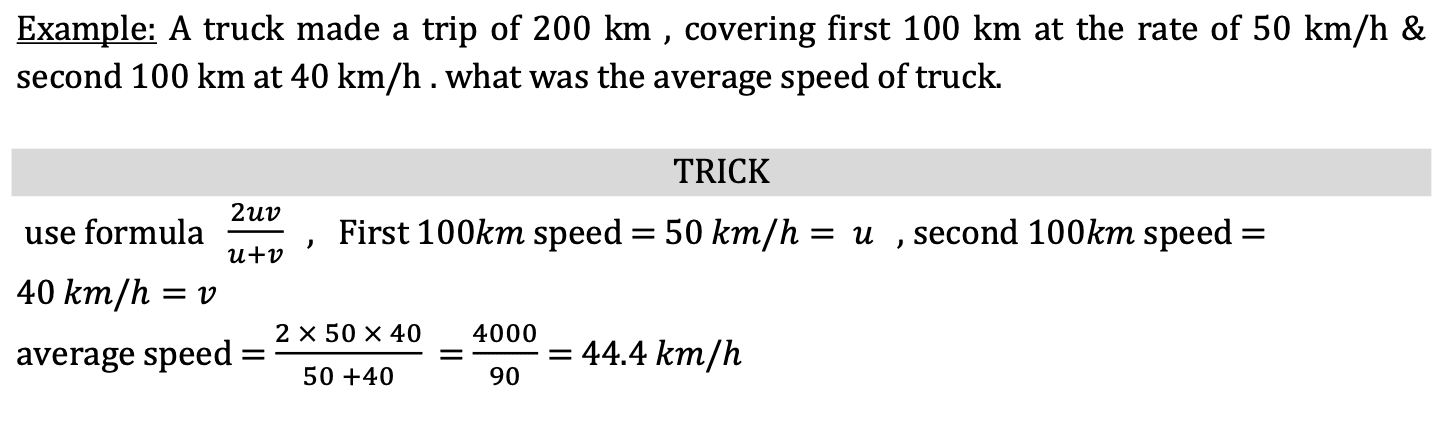
6.) Average :
Probably the simplest chapter of CDS Mathematics with guaranteed 2-3 questions. There are 4-5 types of questions asked from this chapter and extremely easy with a little practice and tricks. e.g
7.) Percentage :
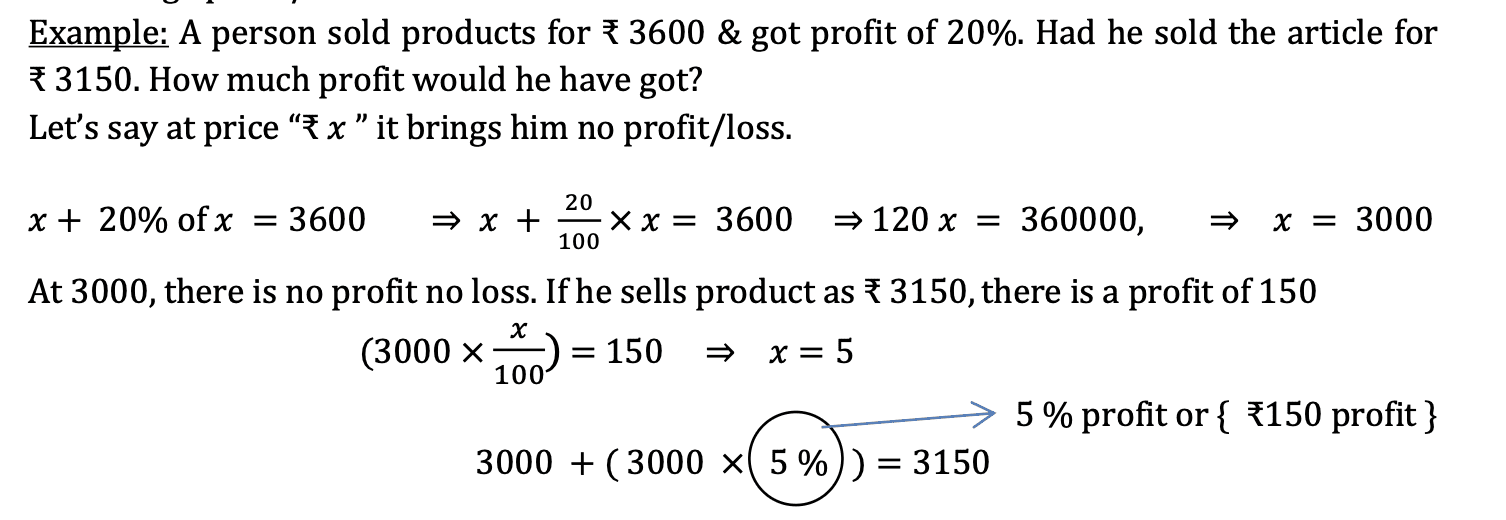
Easy chapter with 7-8 types of questions. Understanding percentage is very important as it’s also linked with many other chapters. This is a very basic concept that should be clear before heading towards the next few chapters. e.g
8.) Ratio and Proportions :
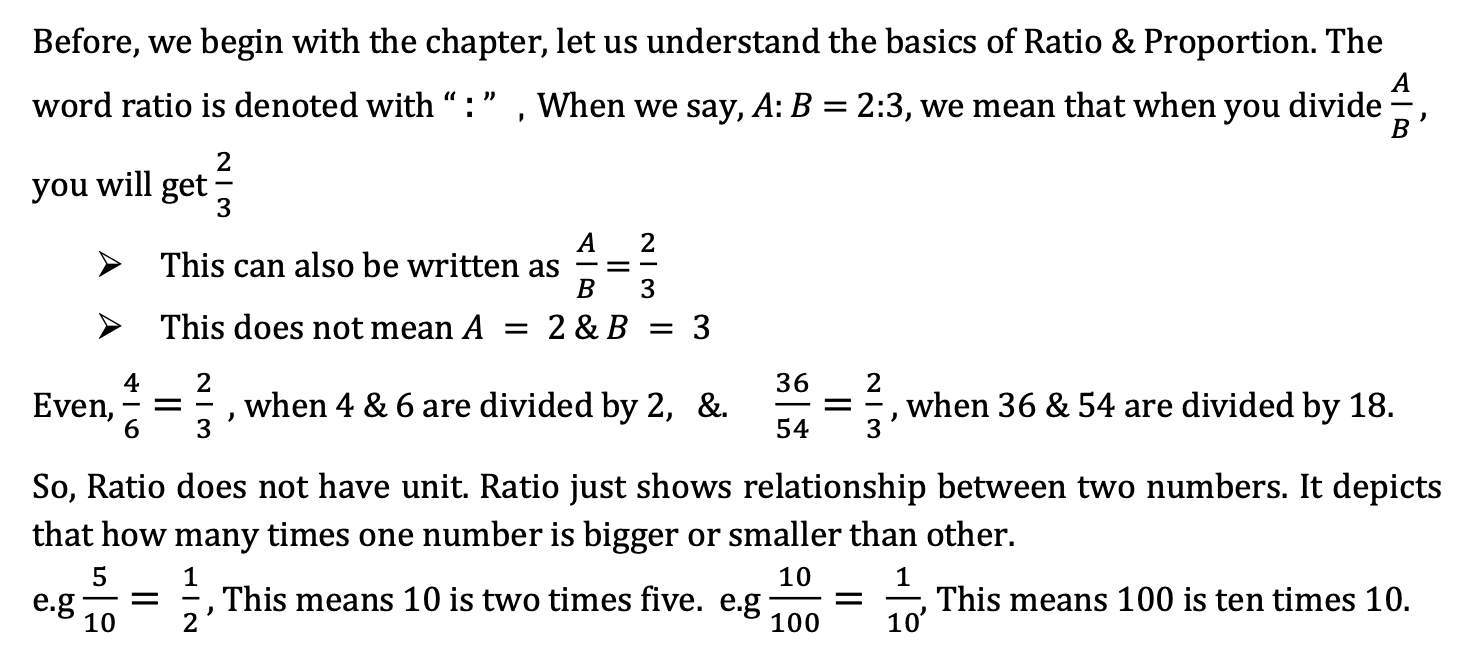
It’s a lengthy chapter with concepts such as mixture & allegations. There are 7 types of questions you can expect from this chapter. It’s a little complex bur chapter is fine to navigate if practiced well. There aren’t many tricks in this chapter and it’s more about learning the concepts. e.g
9.) Profit and Loss :
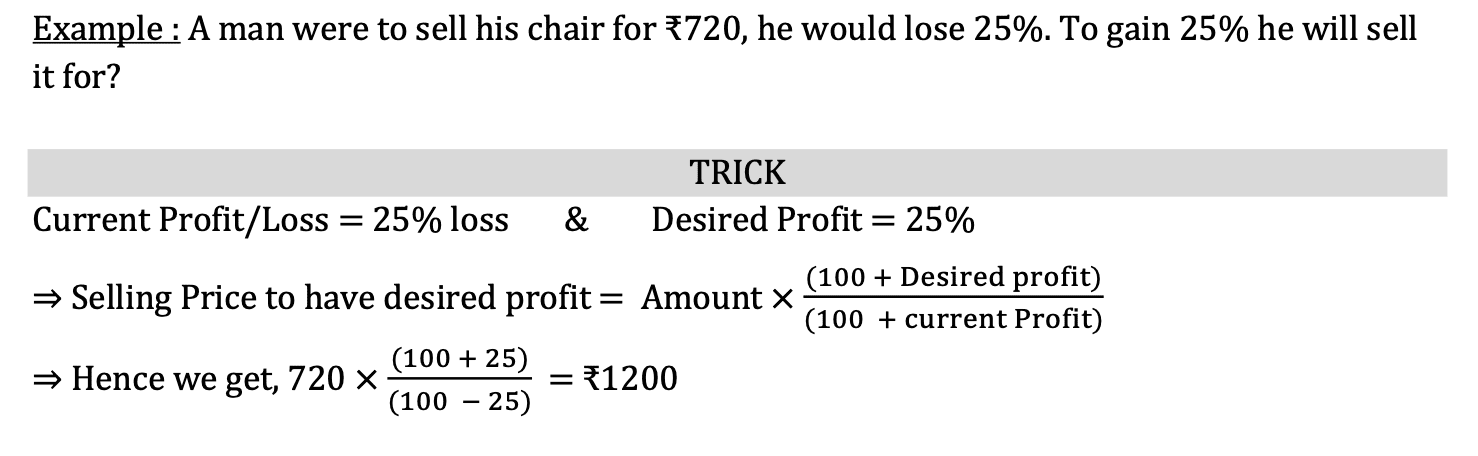
There are lots of complex concepts and 6-7 different kinds of questions you could be asked from this chapter. This chapter has a lot of confusing terms and without clarity you are heading nowhere. Tricks are also tricky and you either have to memorise them or practice well enough to understand. e.g
10.) Simple and compound interest :
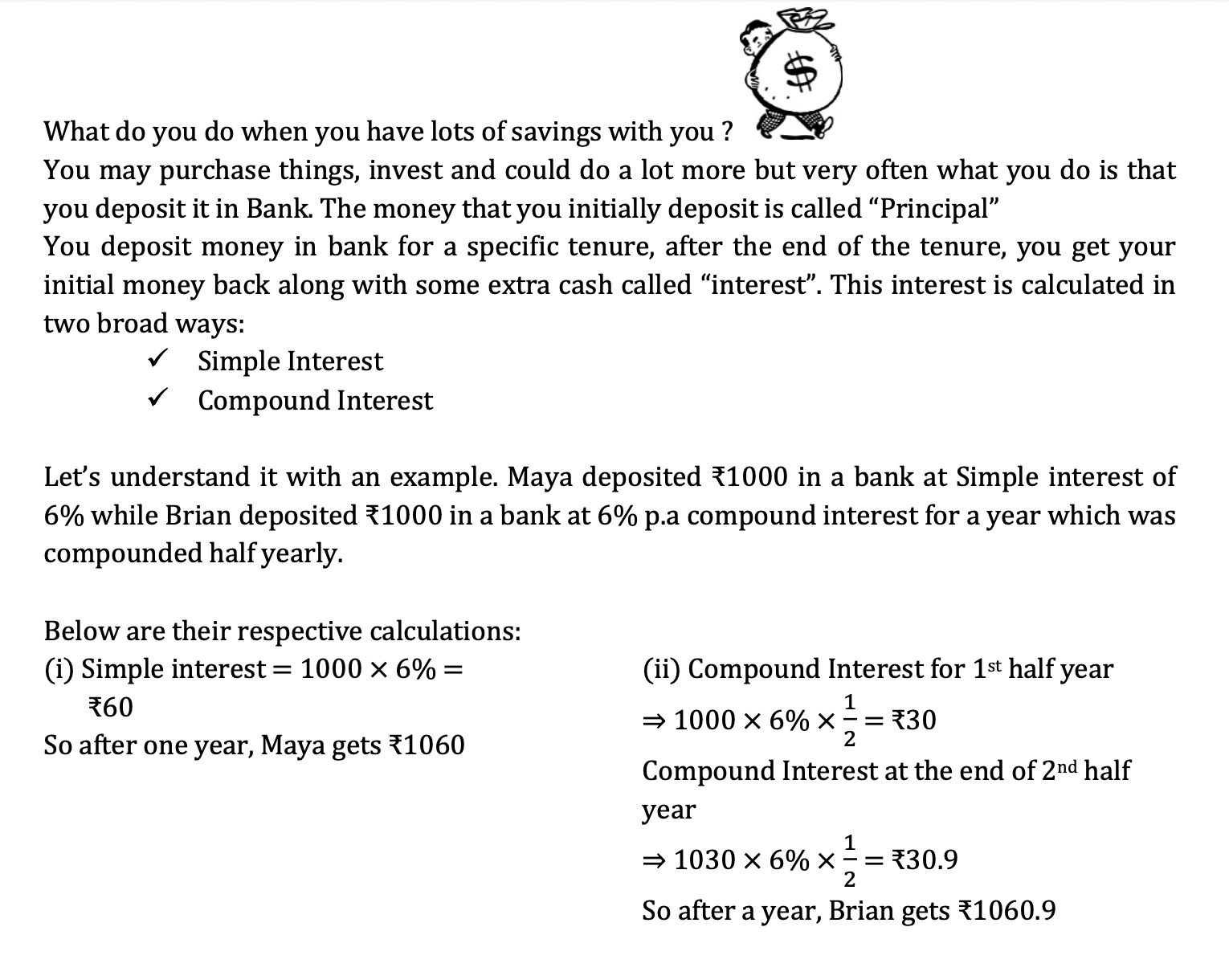
Perhaps the only chapter in which concepts and formula are also used in real life in banking and financial calculations. As a grown person you’re supposed to know this in your regular civil life too. There are 5-6 types of questions asked from this chapter. Chapter is otherwise Simple and full of tricks that makes solving question in 5-10 seconds a reality. You must understand the concept in detail before moving to practice exercise. e.g
11.) Logarithm :
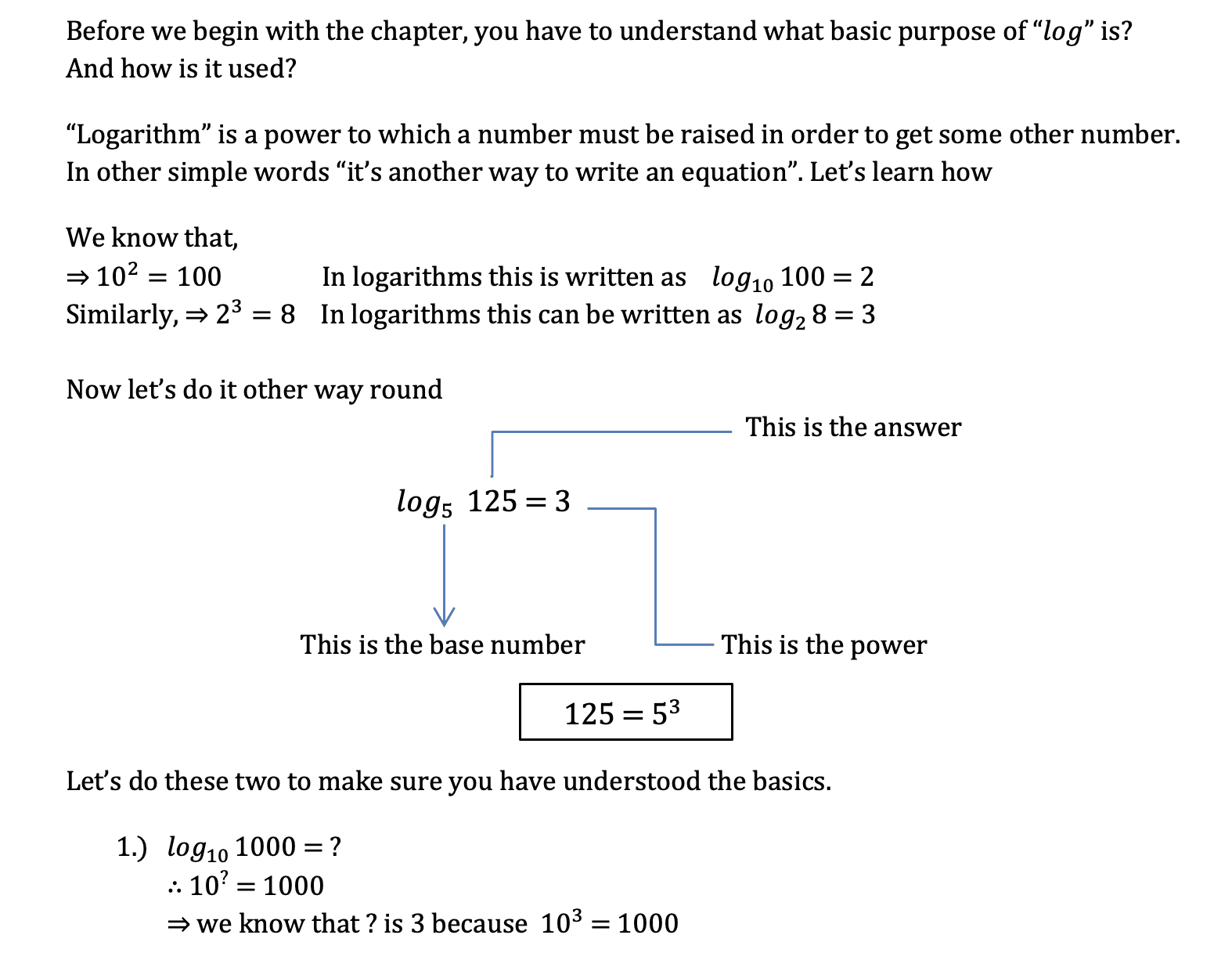
Perhaps the shortest chapter in CDS Maths syllabus. There are only two types of questions that can be asked from this chapter. Both are simple once you know what logarithm is? and why is it used?. e.g
12.) Quadratic equations :
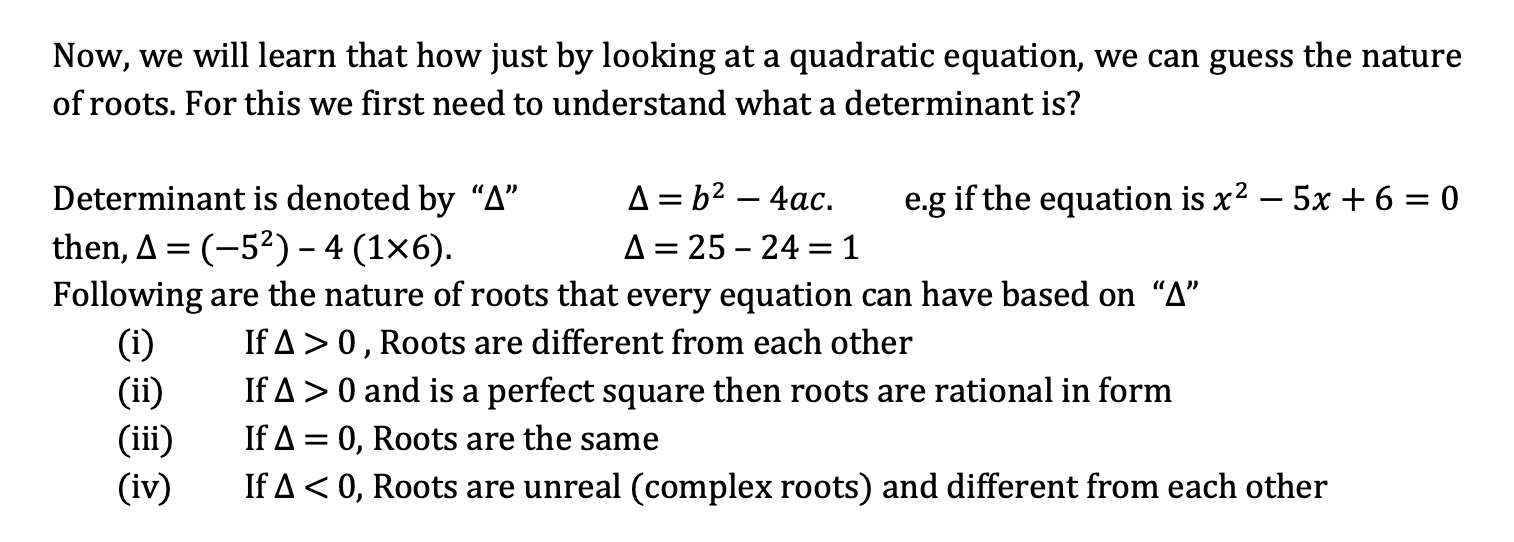
Interesting chapter & important because its concepts are used in many other chapters. There can be four types of questions that can be asked from this chapter. This chapter has many simple tricks that can be used to solve the question in seconds. Easy to solve too once you understand the terminology e.g
13.) Factorisation :
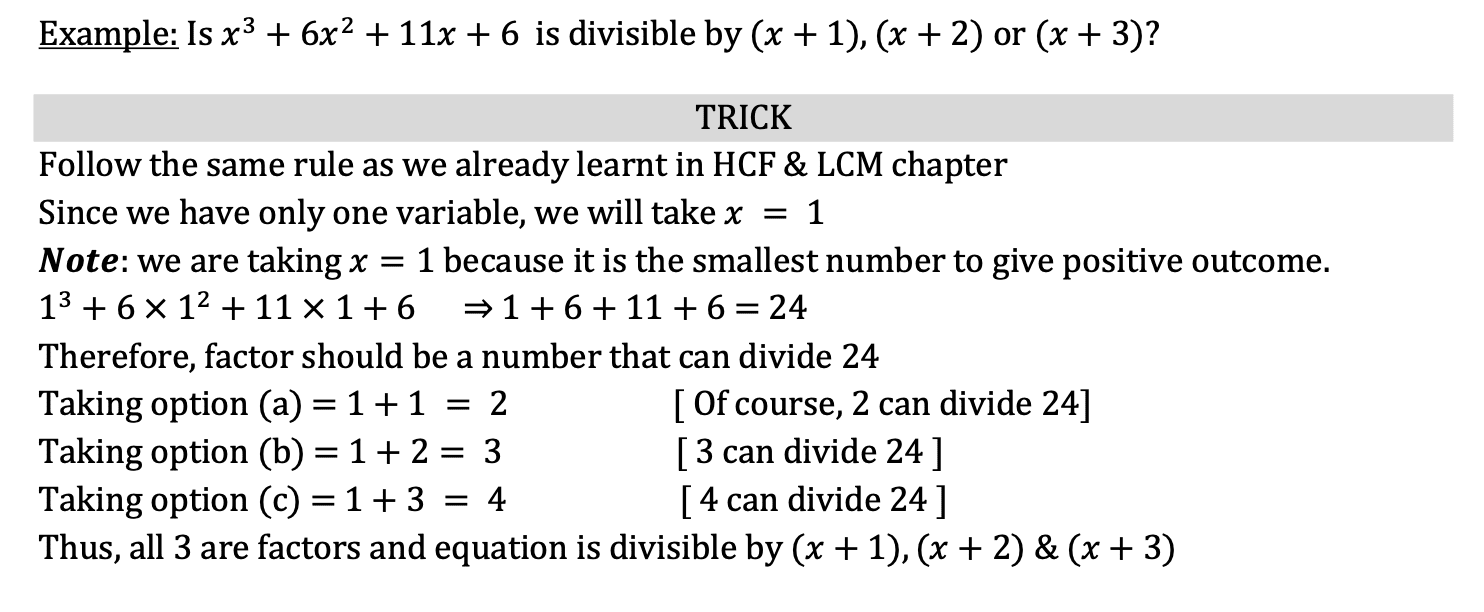
This is to be learnt after quadratic equation. There are 7-8 types of questions asked from this chapter. Simple tricks in the chapter makes it easy to solve complex and time taking questions in seconds.
14.) Linear Equations :
Very simple yet very tricky. This chapter features five distinct question types. Simply identify and translate it into the correct equation. Once you have set up the equation, you have essentially solved the problem. e.g
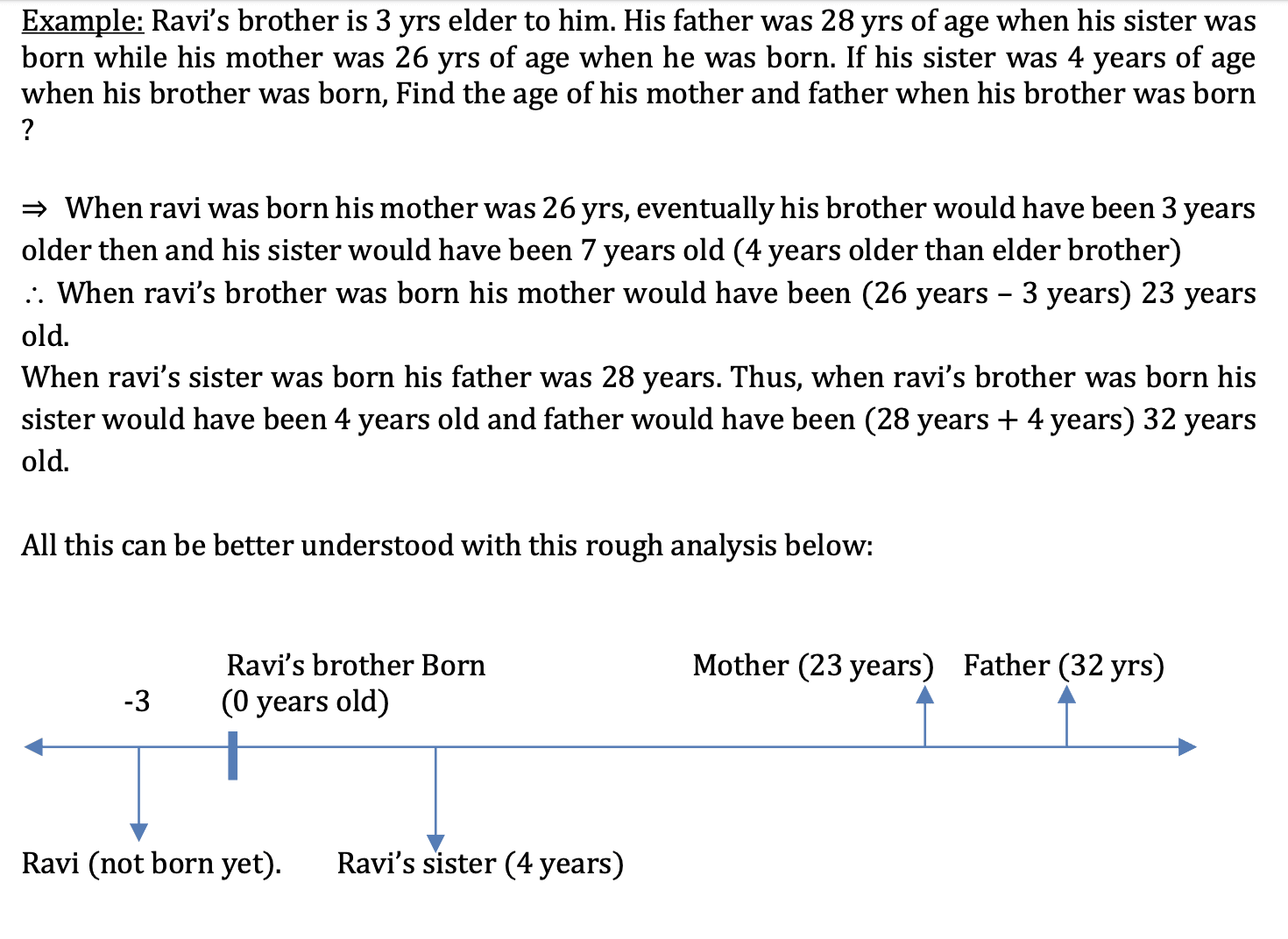
15.) Sets :
This is a whole new chapter that you may or may not have studied in your school till class Xth based on your curriculum i.e CBSE, State Board. Start with a solid foundation by learning the core principles of sets. While you will broadly see four types of questions in this section, you cannot use tricks to solve them. Instead, apply traditional formulas and your own logical understanding to reach the solution. e.g

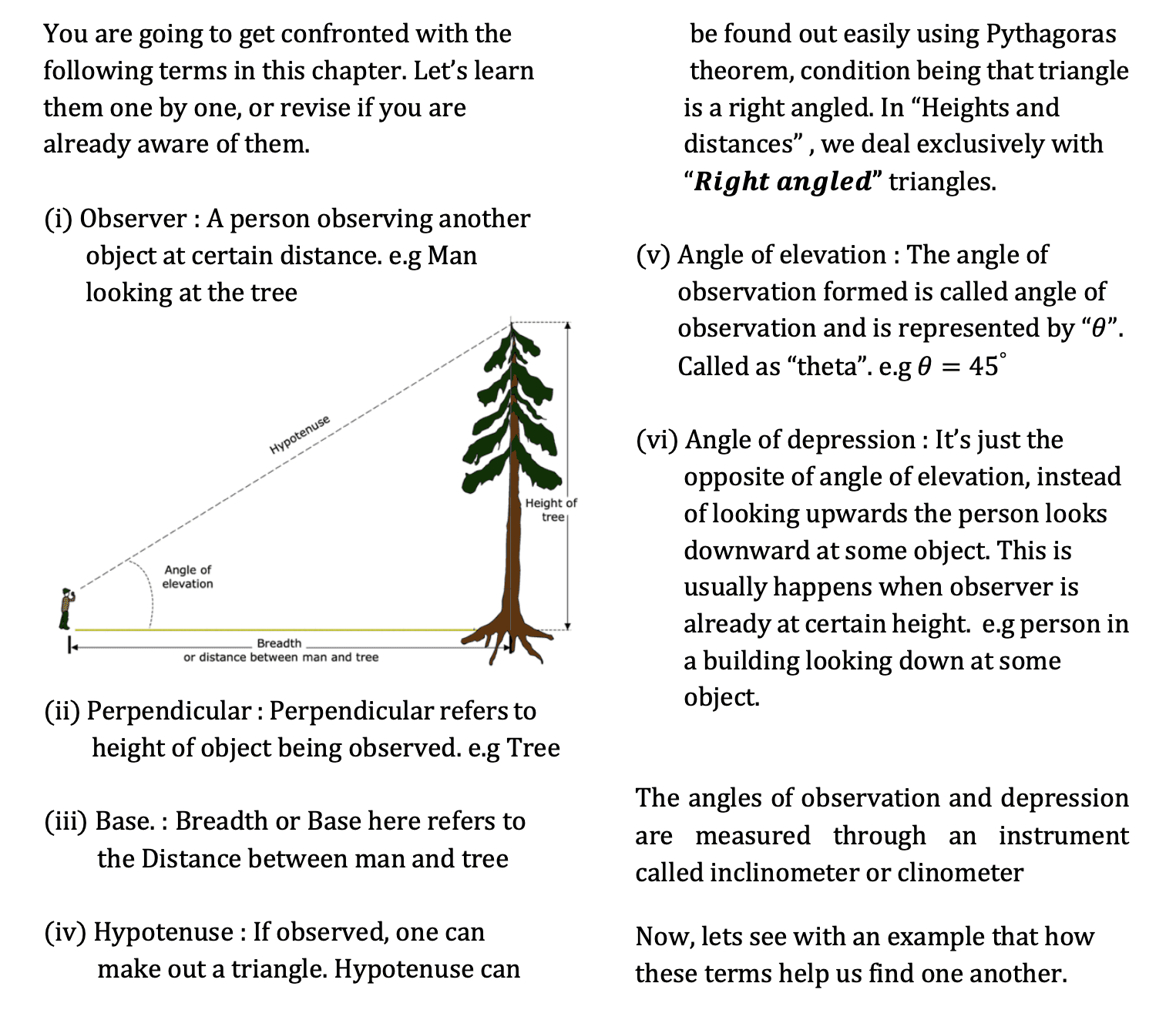
16.) Height and Distance :
if you can draw the diagram right then you have literally solved the question. It requires a lot of practice and understanding what the question is trying to ask. Height and distance is basic introduction to trigonometry. There are no tricks but the entire chapter can be summed up in four types of questions.
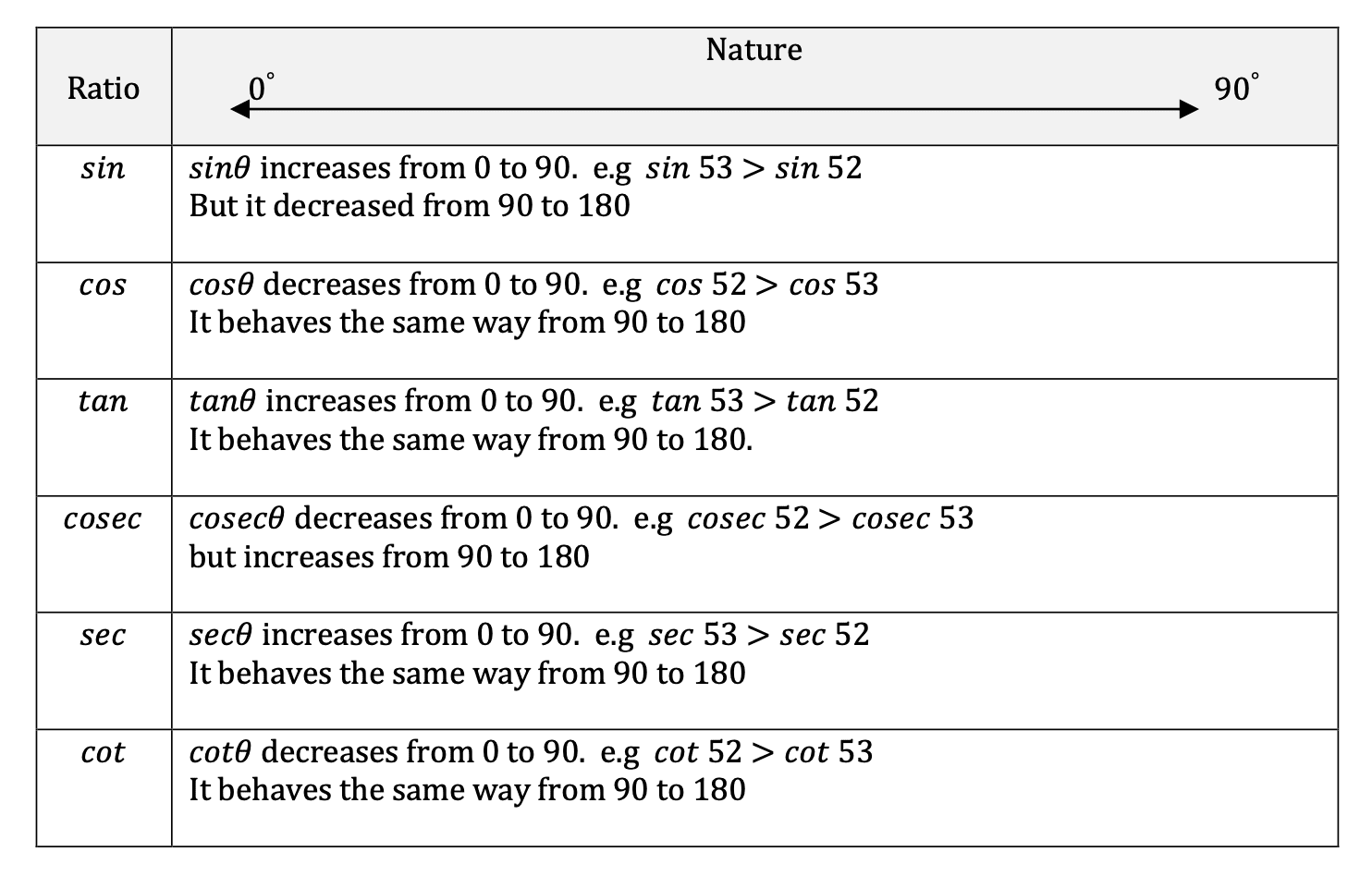
17.) Trigonometry :
This is considered as the toughest in CDS Mathematics. There are 7 types of questions that can be asked from this chapter. Its tough because it really requires solving question properly step by step with core application of formula. This eats a lot of your time and you could still go wrong. Not just that, in order to apply formula you need to know trigonometric identities and positive, negative values of angles. e.g
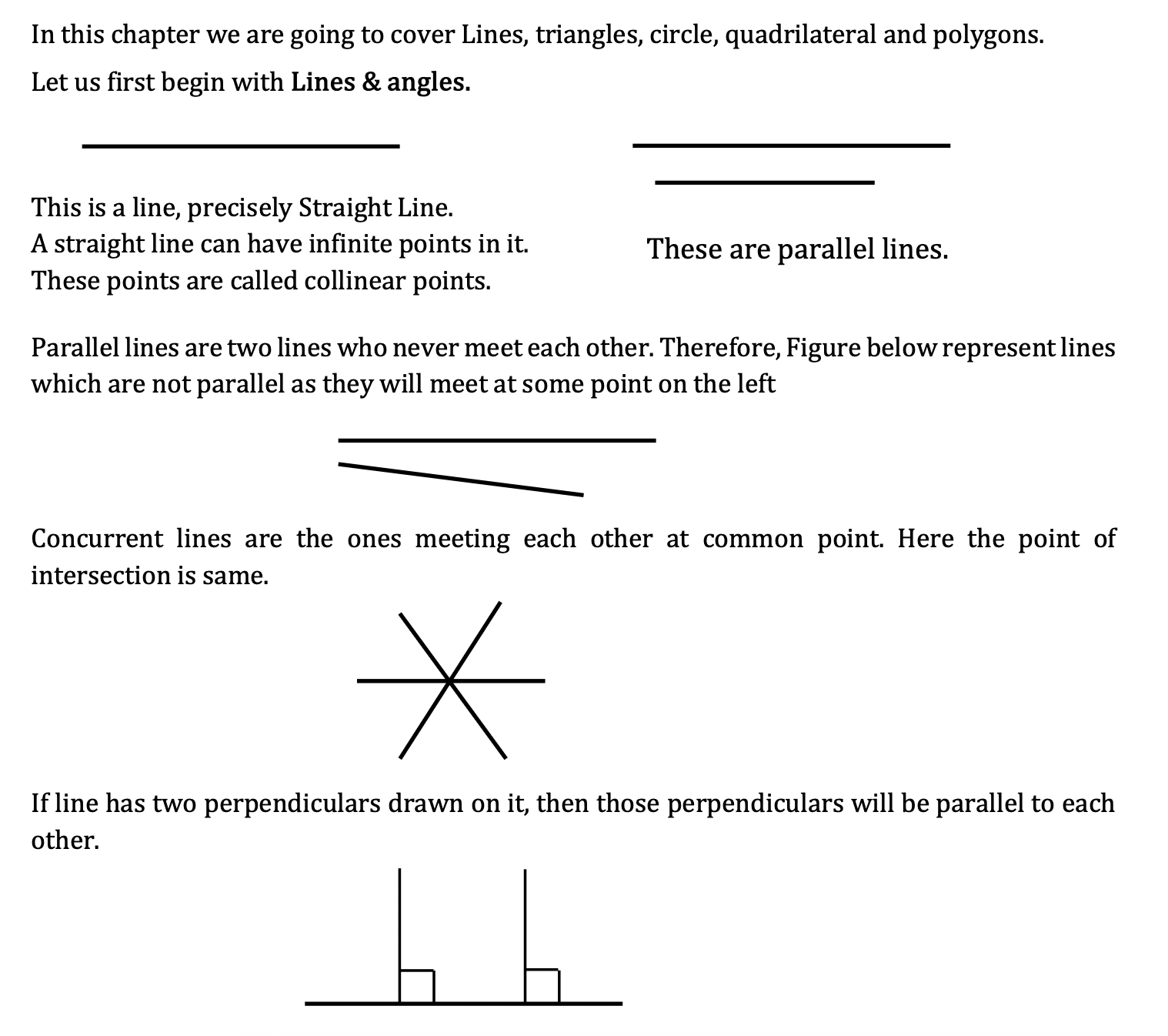
18.) Geometry :
This is the lengthiest chapter alongside mensuration. Although this chapter contains seven distinct question types, mastering them requires a deep understanding of various laws, identities, and properties. Consequently, you must prepare for a lengthy study session; note that standard shortcuts or tricks rarely apply to this chapter. It’s all fundamental learning. e.g
19.) Mensuration :
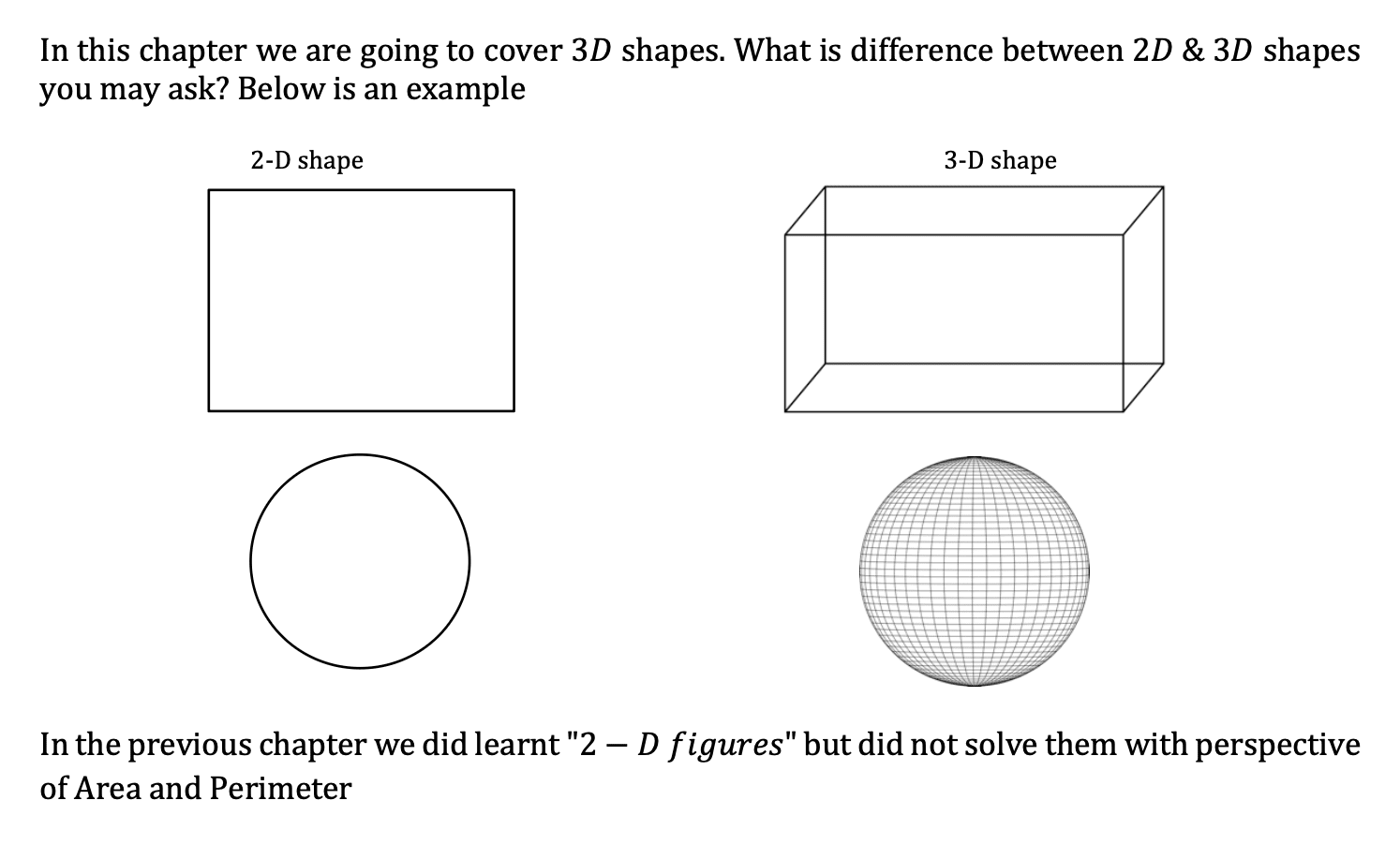
Another lengthy chapter requires learning of terms, formulas, 3 dimensional geometric figures. Real life application, clocks and more. This chapter will take a good long time to cover. It is divided into 3 sections and again no tricks are useful here. It’s all fundamentals.
20.) Statistics :
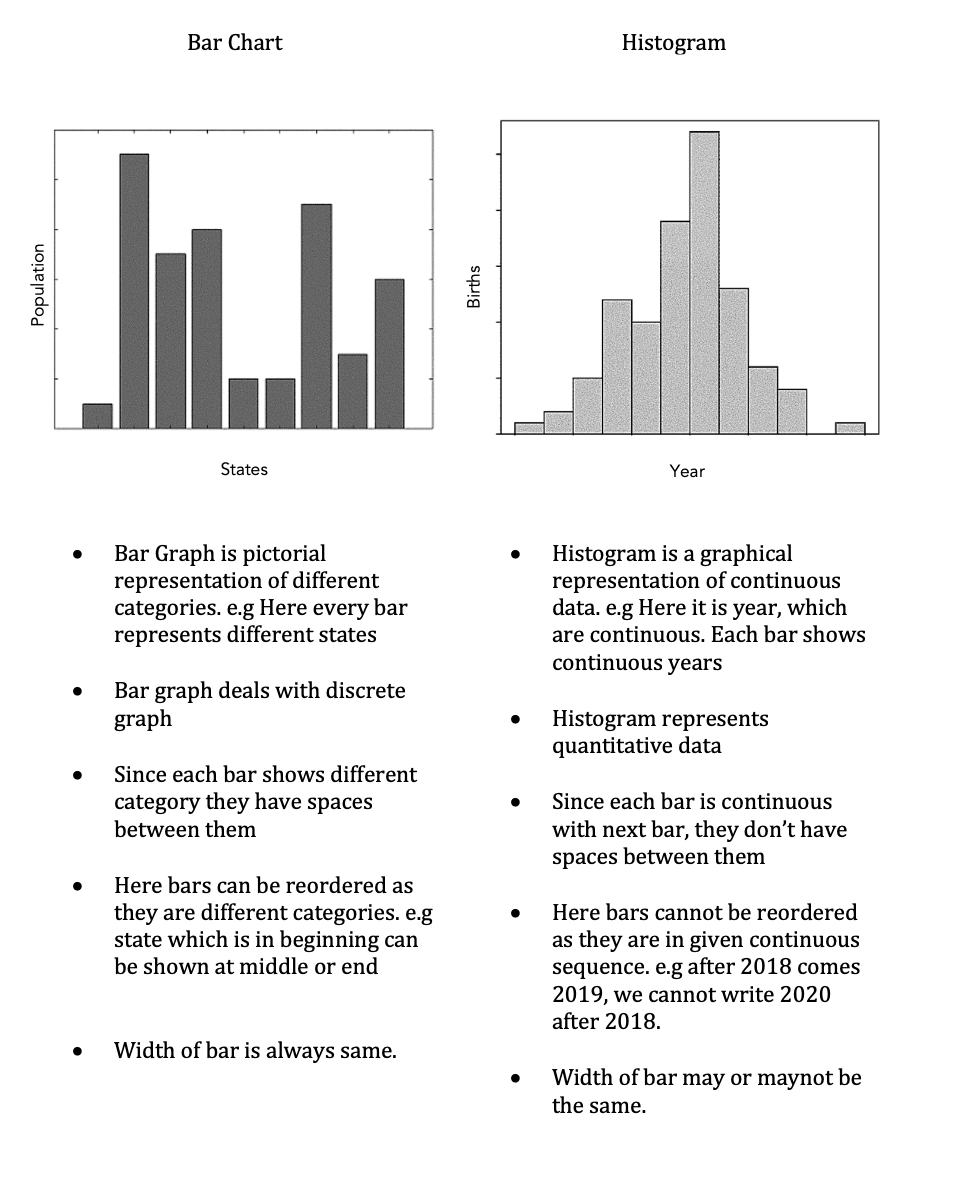
Three sections Mean, Median and Mode make up statistics. You must practice more and more questions for proficiency. Calculation based questions will take time as there are no tricks here. While graphs, charts are also a part in this calculation, most of the statement based questions come from this chapter. e.g
This covers your entire Mathematics Syllabus. Now, if you are weak at Mathematics and just aiming to somehow clear the exam then skip the tough chapters like Trigonometry, Mensuration. Both are very lengthy chapters and you can devote that time to the rest of the chapters. Complex chapters like factorisation, Profit and loss and ratio and proportions can also be skipped in such case.
If you have a fair grasp of Mathematics or simply aspire to improve then it is vital to cover the syllabus in its entirety. In such a case, there is no room for skipping chapters. Accordingly, approach each topic in a systematic manner. As seen above each chapter has fixed types of questions that are asked on rotation. What changes is figures and manner of asking question. Additionally, when starting a chapter we suggest mastering each question type individually before attempting the practice exercises at the end. In particular, you should diligently practice chapters that allow for shortcut tricks. Mastering these shortcuts will save you valuable time, which you can then allocate to more complex chapters where shortcuts are scarce.”
Where to Find shortcut methods and Tricks for CDS Mathematics?
The manner of explanation as shown above and the chapters being divided into fixed types questions that are asked in exam is something you can find in MISSION CDS 2026 Book
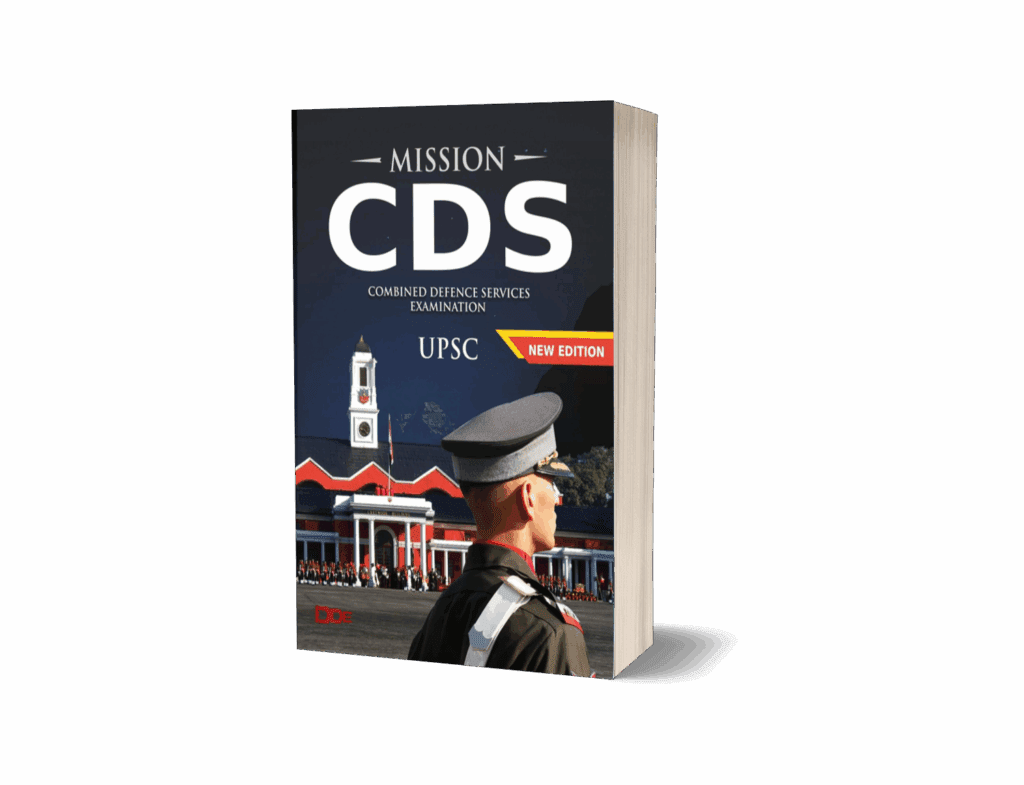
The mathematics section of this book goes level wise and full of shortcut methods wherever applicable. It’s written in simple language as if someone is talking to you! Practice questions for each type of questions are given for good hold of concept. Solved practice exercise at the end of each chapter makes excellent impact on your preparation.
If you are just looking for just a Mathematics Book then I recommend you CDS Maths : Fastrack with Shortcut Tricks. This book has everything mentioned above and an additional question bank that makes up for a good practice.
How to attain Speed in CDS Maths Paper?
Finally, you should complete a mock test every week. Taking these tests forces you to improve your pace and identify exactly where you get stuck. To get the most out of this, Test yourself on physical OMR sheets and separate question booklets to build authentic exam practice. It should replicate exact same environment as your actual pen and paper exam.
How to do this? Get CDS Countdown from Amazon or Flipkart. This pack has 10 individual Sample paper booklets of Mathematics, English and GK along with respective 30 OMR Sheets and complete explanations
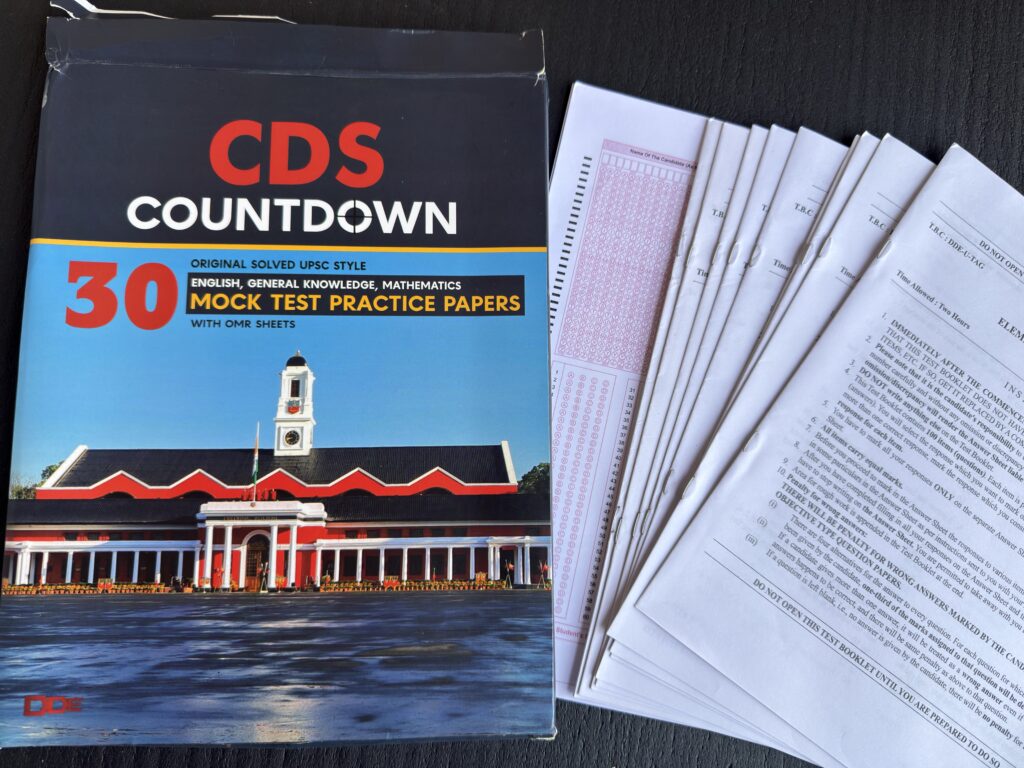
Each week, starting with 1st paper, test yourself in that environment keeping a proper timer as if it is your actual attempt. Once finished analyse your booklet (do not just check answer key). See where you did wrong calculation? what went wrong? You will learn a lot this way. Your marking in OMR Sheet will improve, your ability to skip questions will improve, your ability to attempt paper without anxiety will become a reality.
These are not previous year papers but carefully picked questions that makes the perfect Mock Test for you. Each paper reflects UPSC difficulty level, Topic balance, High-probability areas and No Digital Dependency, No screens. No apps. No distractions. This is pure offline exam conditioning, exactly how the real CDS exam is conducted.
Furthermore, keep this in mind while marking your question paper
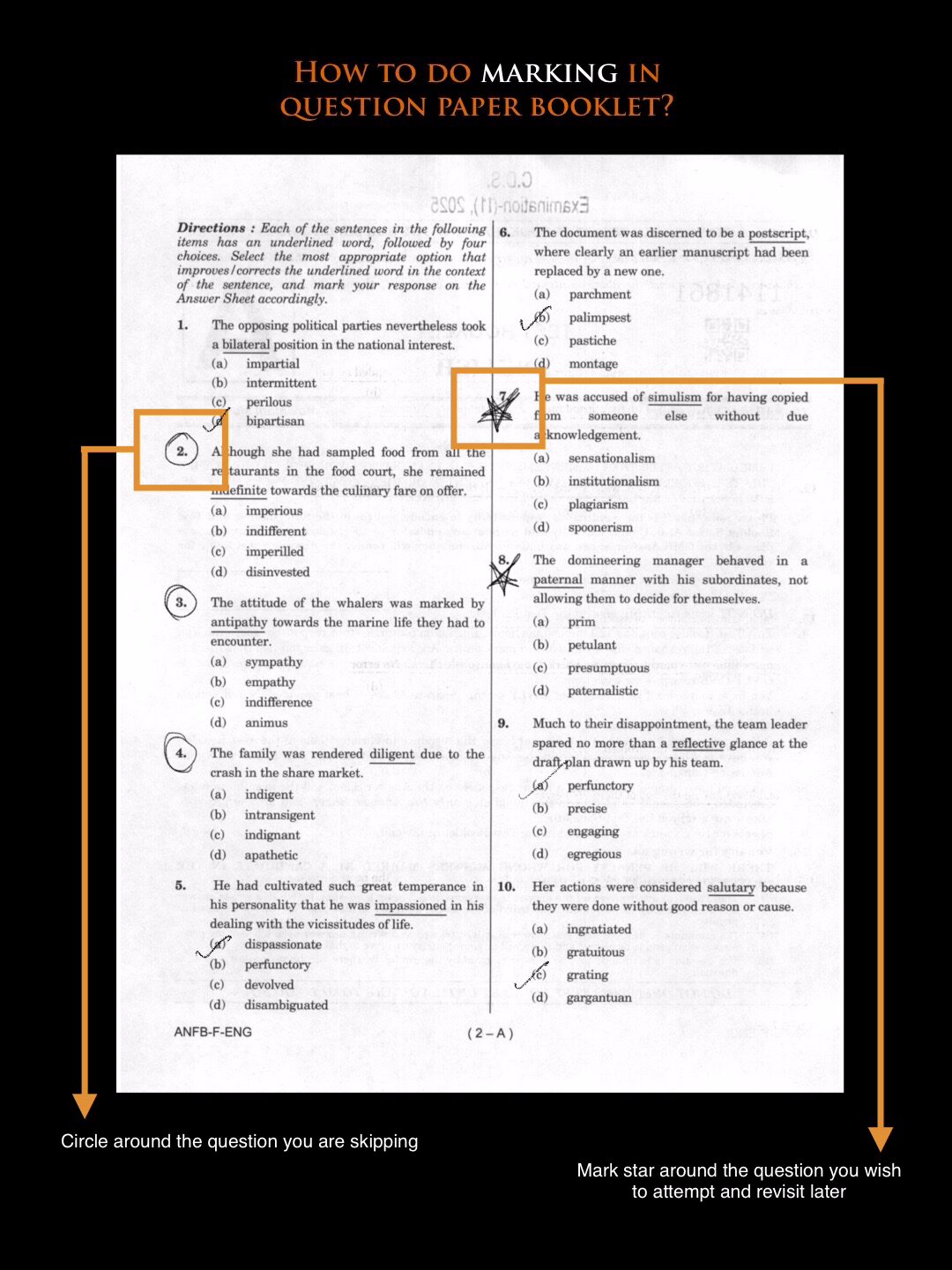
By the 10th Mock Test paper, you will be completely prepared to score 50+ easily.
It is never too late! if you still have time then you must check these shortcut tricks and Mock test. It will turn out your best investment of time.
Act now! Start Hustling
Jai Hind
 Order Now on Amazon