

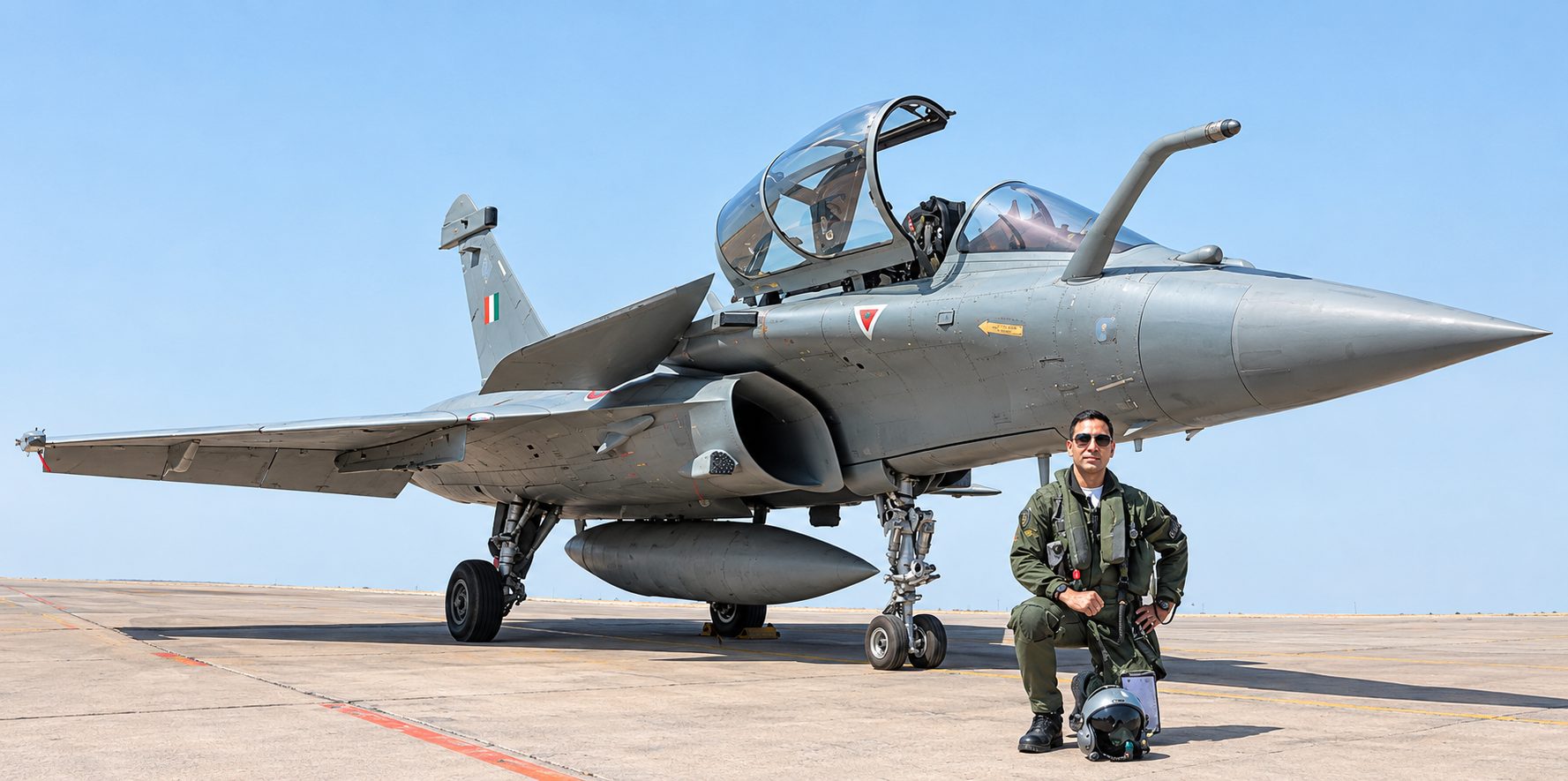
Whenever one thinks of the squadrons of the Indian Air Force, one cannot ignore the courageous No. 17 Squadron which is also known as the “Golden Arrows”. Recently, this squadron gained widespread recognition for its role in the 1999 Kargil War through a web series on Operation Safed Sagar. But did you know that it completed 75 years of courage, combat and transformation this year?
Hence, today, we build on the Golden Arrows and the diverse aircraft that it has operated over the years, continuing its legacy of inspiring several young minds.
Who are the Golden Arrows?
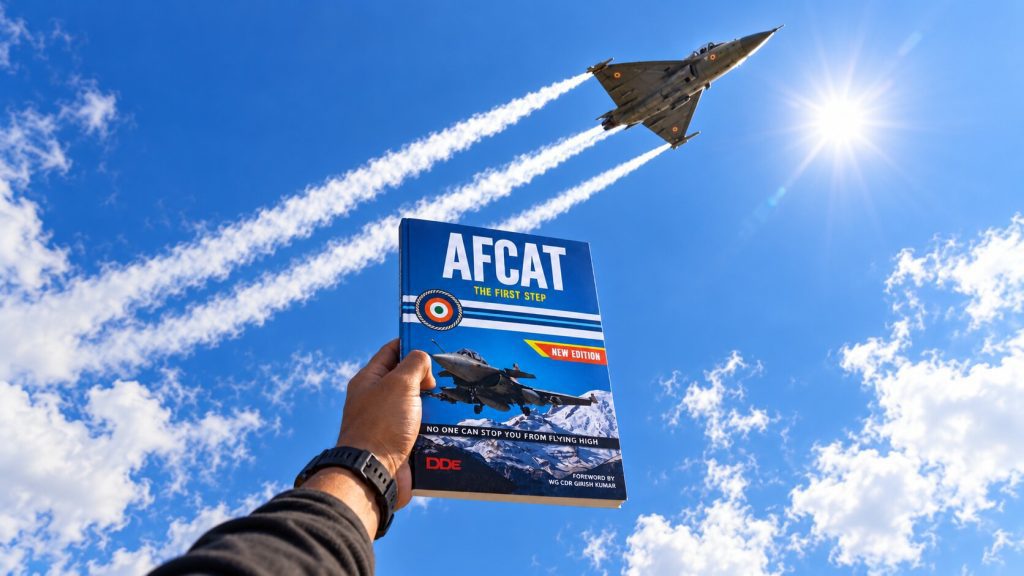
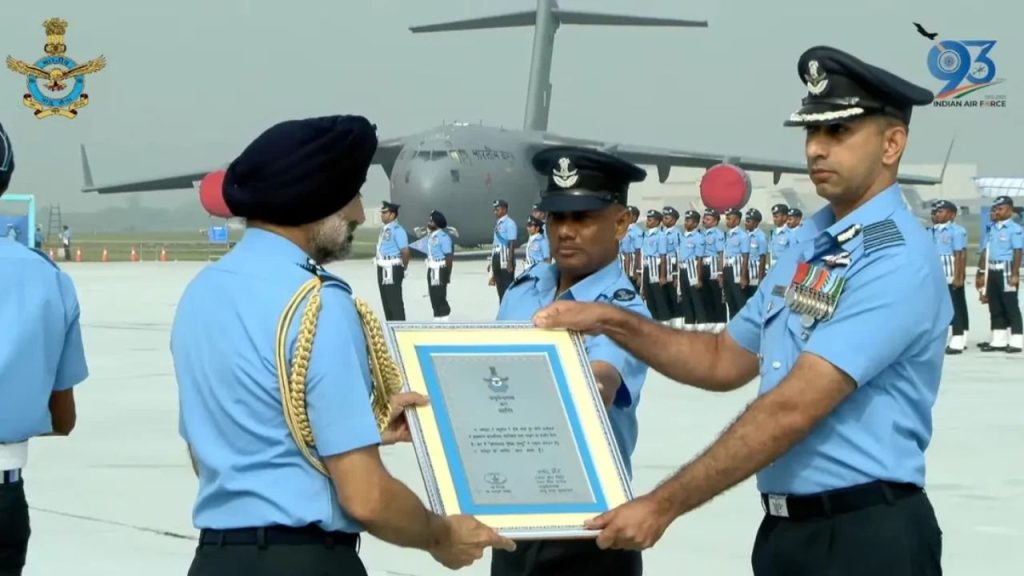
The Golden Arrows or No. 17 Squadron is a squadron of the Indian Air Force. It was raised at Air Force Station Ambala on 1 October, 1951. Initially, it was equipped with the Harvard Aircraft, however, it has transformed over the years and now operates the Rafale.
The motto of this squadron is, “Udayam Ajasram”, which translates to, “Ever Rising Skywards”. This symbolizes its guiding principle of advancing and living up to the larger idea of touching the sky with glory. Currently, the commanding officer of the Golden Arrows is Group Captain Amit Gehani.
Let us walk through the journey of No. 17 Squadron, which reflects its unwavering spirit, which involved adapting to changing aircraft and a rapidly evolving landscape of technology.
Humble Beginnings with the Harvard
When the Golden Arrows was established, it operated the Harvard aircraft for reconnaissance. But, with the onset of the mid-1950s, it entered the jet age with the de Havilland Vampire. Finally, it transitioned to the famous Hawker Hunter aircraft, which came to be identified with the squadron’s early operational history.
Subsequently, it participated in a range of air operations. The 1961 liberation of Goa was one such operation in which the Hunter aircraft was used against military targets. Furthermore, it experienced combat during the 1965 and 1971 India-Pakistan wars, which solidified its reputation as a combat-ready squadron.
The Era of MiG-21
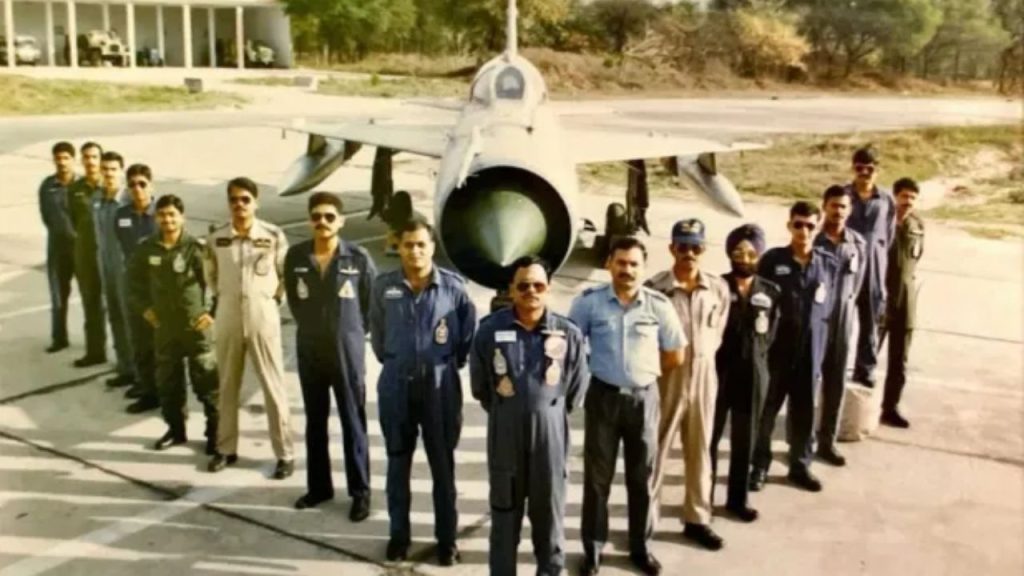
Once the reputation was earned, there was no going back. In 1975, the Golden Arrows transitioned to the Soviet-made MiG-21M, which introduced it to the supersonic aircraft. Its efficiency helped it attain operational status within just six months, and its sustained record of service was later recognized with the President’s Standard in 1988.
But, what earned it widespread recognition was the 1999 Operation Safed Sagar, which was the Indian Air Force’s operation during the Kargil War, which was fought in a completely mountainous terrain.
Despite knowing that flying the MiG-21 in such challenging conditions was hard, the Golden Arrows left no stone unturned in conducting reconnaissance, strike missions, and night bombing operations. This was a worthy display of precise navigation and coordination among the pilots at high altitude.
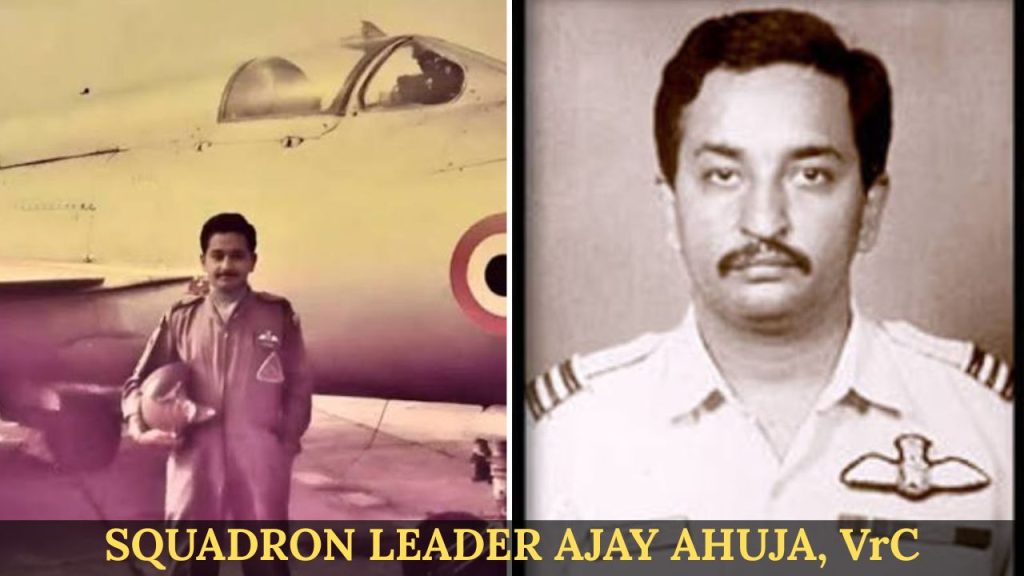
During this very war, Squadron Leader Ajay Ahuja, VrC, made the supreme sacrifice for the country, when he was trying to locate the wreckage of a MiG-27 and assist in the rescue of its pilot, Flight Lieutenant K. Nachiketa. His selfless act still echoes within the squadron and its personnel.
Welcoming the Rafale
But, when the MiG-21M retired from service, the Golden Arrows squadron was number-plated and re-raised in Air Force Station Ambala. Owing to its impeccable record of smooth transitions and quick adaptability, it was chosen as the first Rafale Squadron of the Indian Air Force.
For this purpose, the No. 17 Squadron also operationalized the Rafale and participated in several international exercises and operational missions to build expertise in action. Finally, in 2024, it was recognized as the Best Fighter Squadron of the Western Air Command. Interestingly, it also earned the Chief of Air Staff Unit Citation for its role during the 2025 Operation Sindoor.
As of 2026, the Golden Arrows squadron continues to live up to its rich legacy and motto that exemplifies the professionalism and capabilities that it carries.
Final Thoughts
The 75-year-old history of the Indian Air Force’s Golden Arrows goes beyond just aircraft. It encompasses the brave-hearts who flew, maintained and supported these sophisticated machines. Hence, while it has been a long journey, there remains a longer way to go. This story is hence, one of the best accounts of professionalism, adaptability, courage and a commitment to the idea of, “People First, Mission Always”.