

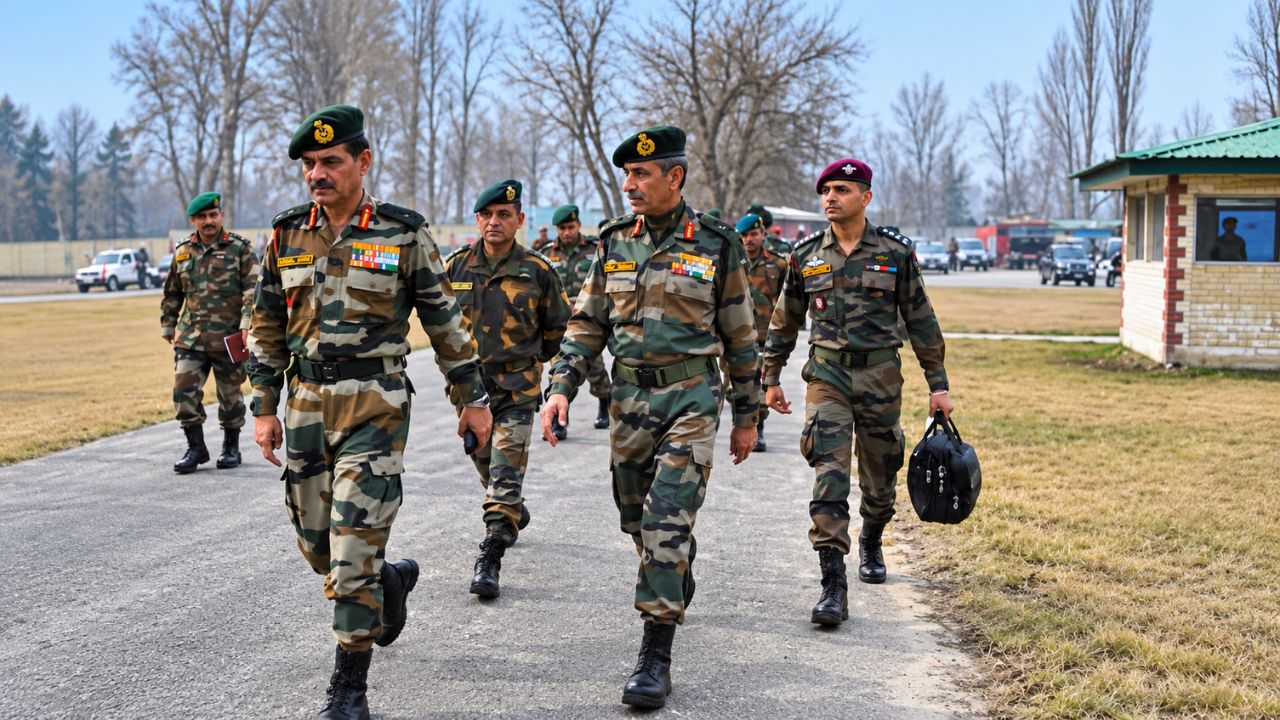
The Indian Army operates on the principles of discipline, teamwork and mutual support. Behind the functioning of a military unit are not only officers and soldiers performing combat duties but also personnel who help ensure that routine administrative and personal requirements are managed efficiently. One such arrangement is the Sahayak system.
Today, we build on what the system is, how it functions, and recent reforms in it. So, let us get started.
What Is the Sahayak System?
The Sahayak system is a traditional arrangement in the Indian Army under which a soldier is assigned to assist an officer with specified routine duties. The term sahayak means “helper” or “assistant” in Hindi.
Historically, these responsibilities could include helping with uniform preparation, maintaining personal equipment, organizing daily requirements and assisting with certain official or administrative tasks. However, a Sahayak should not be confused with a personal servant whose primary role is to perform an officer’s domestic work.

How Did the Sahayak System Originate?
The sahayak system has historical roots in the British Indian Army, where soldiers known as batmen assisted officers with certain duties. The Indian Army later adopted the term Sahayak to describe the arrangement.
As per a Ministry of Defence statement issued in March 2017, the nomenclature changed from “Orderly” to “Sahayak” in 1983. The government explained that Sahayaks were combatant soldiers with defined military responsibilities, rather than a separate category of personnel recruited exclusively for these duties.
What Are the Duties of a Sahayak?
Under the sahayak system, a Sahayak supports an officer or Junior Commissioned Officer (JCO) in carrying out assigned responsibilities. These duties may involve:
- Assisting with military equipment and routine requirements.
- Supporting official responsibilities within the unit.
- Providing assistance during training and field activities.
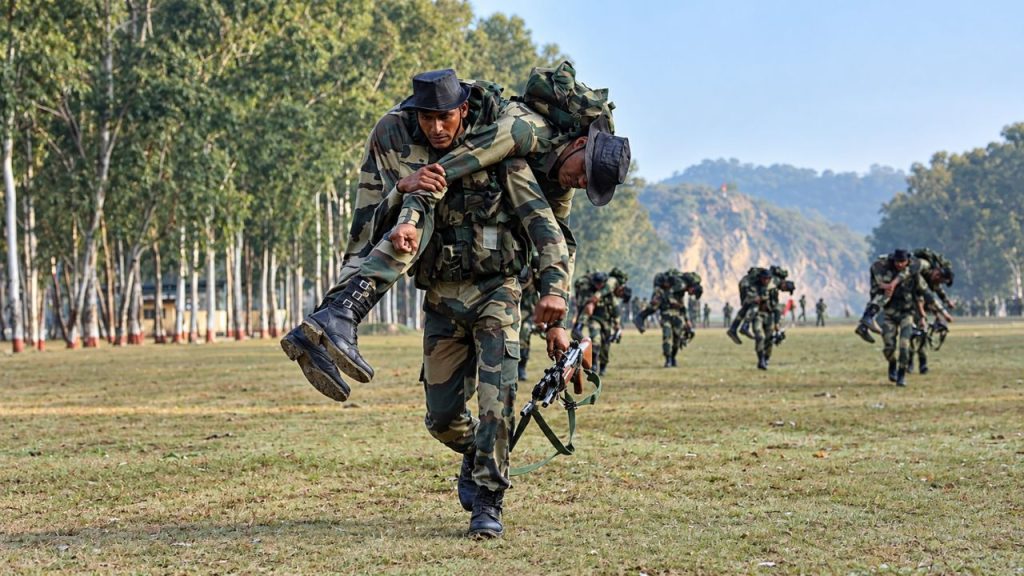
- Helping and protecting the officer or JCO during operations.
- Providing physical and moral support in operational environments.
Interestingly, the Sahayaks have defined military duties and remain part of the unit’s organizational structure. During field operations, the relationship functions as a partnership in which both personnel support and protect each other.
Why Has the Sahayak System Faced Criticism?
The Sahayak system has attracted criticism over allegations that soldiers have sometimes been assigned domestic or personal tasks unrelated to their military responsibilities. Critics argue that using trained combat personnel for such work can affect morale, dignity and the effective utilization of military manpower.
The central issue is the difference between legitimate military support and personal domestic service. While the Army has defended the system as an operational support arrangement, concerns about potential misuse have contributed to calls for reform.
Hence, one must distinguish the system’s officially stated purpose from allegations about how it may have been implemented in individual cases.
Reforming the Sahayak System
The government addressed the issue in Parliament in July 2022. In a written reply to the Lok Sabha, the Ministry of Defence referred to Sahayaks as “Buddies (erstwhile Sahayaks)” and stated that they were regular soldiers performing military duties alongside their support responsibilities.
The government, however, is looking into revamping the system after demands from the Army leadership. This clarification is important because the terminology has increasingly emphasized the idea of a buddy relationship.
Final Thoughts
The Sahayak system in the Indian Army is a traditional arrangement in which regular soldiers provide defined support to officers and JCOs while retaining their military responsibilities.
The Army’s official position emphasizes operational assistance, mutual protection and the role of Sahayaks as combatants. At the same time, criticism of alleged misuse has raised important questions about soldiers’ dignity and the appropriate use of trained military personnel. Ultimately, the key distinction is between support that contributes to military effectiveness and tasks that fall outside a soldier’s legitimate military responsibilities.