


Ever since the Indian Army has shared about the upcoming changes to the stage one of SSB, candidates have been skeptical of the same. To avoid any confusion among them, today, we share about the OPAM test in SSB screening with you.
The OPAM test in SSB screening has generated considerable interest and discussion among candidates preparing for the selection process. Many are eager to understand its implications and the expectations surrounding it. In this article, we delve deeper into the nuances of the OPAM test, highlighting its significance, structure, and the preparation strategies candidates can adopt.
What is OPAM Test?
The ongoing trails of the OPAM test is a pivotal change in the SSB screening process, aiming to refine how candidates are assessed. It is essential to comprehend not only what OPAM entails but also the underlying rationale behind its implementation. The test is designed to evaluate candidates in a manner that transcends traditional assessment methods, focusing on intrinsic traits rather than acquired skills.
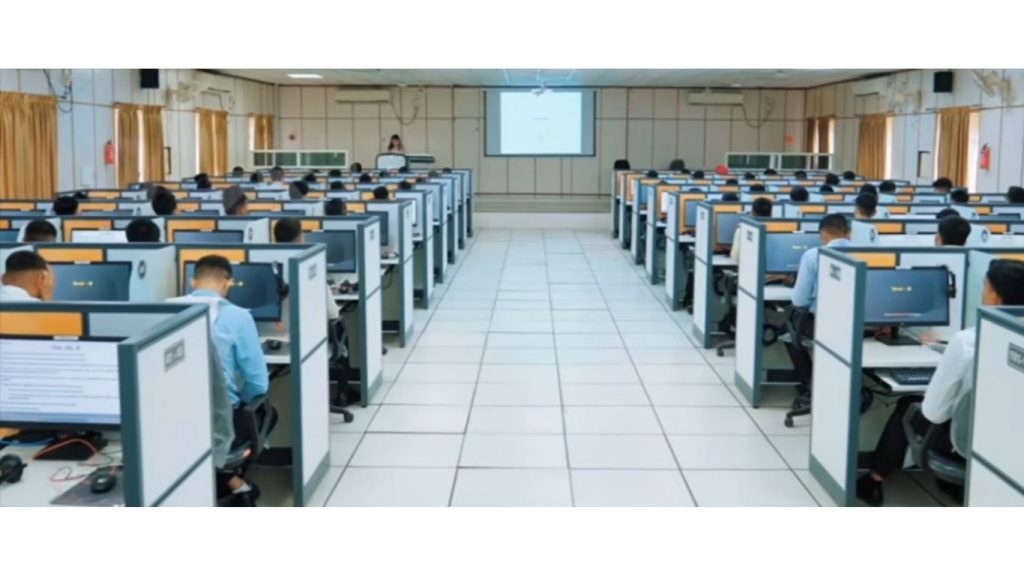
OPAM stands for Objective Personality Assessment Measure, and it is the second assessment in the new screening process at SSB. It will happen immediately after CSSS or Computerized Stage-1 Selection System.
As per available information, OPAM will be an online test comprising 120 questions to assess your personality and behaviour under stimulated stresses. Overall, each candidate will get 90 minutes to complete both CSSS and OPAM test in SSB screening.
Reason for Introducing OPAM Test
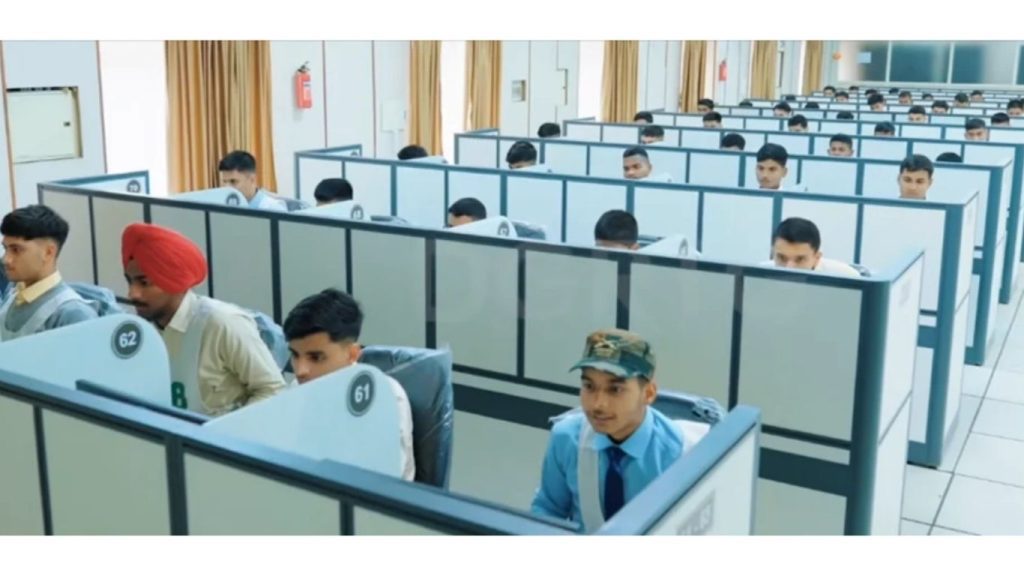
The OPAM test in SSB screening was introduced to create a more efficient and reliant process that places all candidates at a level-playing field. Earlier, candidates found the screening process to be subjective and biased towards those with good English communication. However, OPAM and CSSS address these issues. Hence, OPAM:
- Removes any subjective bias
- Gives each candidate a fair chance during assessment
- Reduces overall time and provides fast results
- Enables better introspection among candidates
Clearly, OPAM is more about your overall personality, and thought process and less about mugged up responses or fluent English.
Assessment Pattern of OPAM Test in SSB Screening
Now that we know what OPAM test is, and why it was introduced, let’s look into what this test assesses in each candidate. It looks for certain officer-like qualities through a range of questions. These include:
Moreover, the OPAM test’s structure is thoughtfully crafted to gauge essential qualities that are indicative of future performance as an officer. The assessment encourages candidates to exhibit their true selves, allowing for a more genuine evaluation of their leadership potential and interpersonal skills.
- Speed and effectiveness of your decisions
- Ability to take the lead in situations
- Communication skills
- Emotional stability/intelligence
- Adaptability to different situations
In short, this is a mini psychological assessment of each candidate, and it assesses the 15 OLQs in a scientific manner.
OPAM Test in SSB Screening Questions
According to the available information from sources, OPAM will have a total of 120 questions under the following scheme:
| Assessment Parameter | Percentage of Questions out of 120 |
| Numerical ability | ≈25% |
| Psychological and behavioural assessment | ≈15% |
| Reasoning | ≈25% |
| Spatial ability | ≈15% |
| Verbal ability | ≈20% |
Tips for Candidates
While the new stage one process is yet to be implemented, candidates can follow these tips for better performance in OPAM test in SSB screening:
The implications of the OPAM test in SSB screening extend beyond the individual candidate. As the Indian Army seeks to enhance its selection processes, the focus on objective assessments promises to foster a more diverse and capable officer corps, reflecting the multifaceted nature of modern military operations.
As candidates prepare for the OPAM test, they should consider not only the content of the questions but also the mindset they bring to the assessment. The ability to remain calm and collected under pressure will serve them well, both in the test and in their future roles.
- Sleep well the night before as you must look at the screen for longer duration.
- Read each question carefully before answering.
- Don’t try to be ideal, rather be real.
- Attempt all questions as there is no negative marking, as per reports.
- Work on your time management during the assessment.