

How Does the Indian Air Force Operate?
Every organisation, as we all know, has its own structure and management. It performs properly because it is spread among numerous departments or parts. The Indian Air Force, as the world’s fourth most powerful air force, has its own set of divisions. Let’s take a detailed look at how the indian air force operates, its operations, and its significant role in national security and defence strategy. Understanding how the indian air force operates is crucial for appreciating its contributions.
Commands
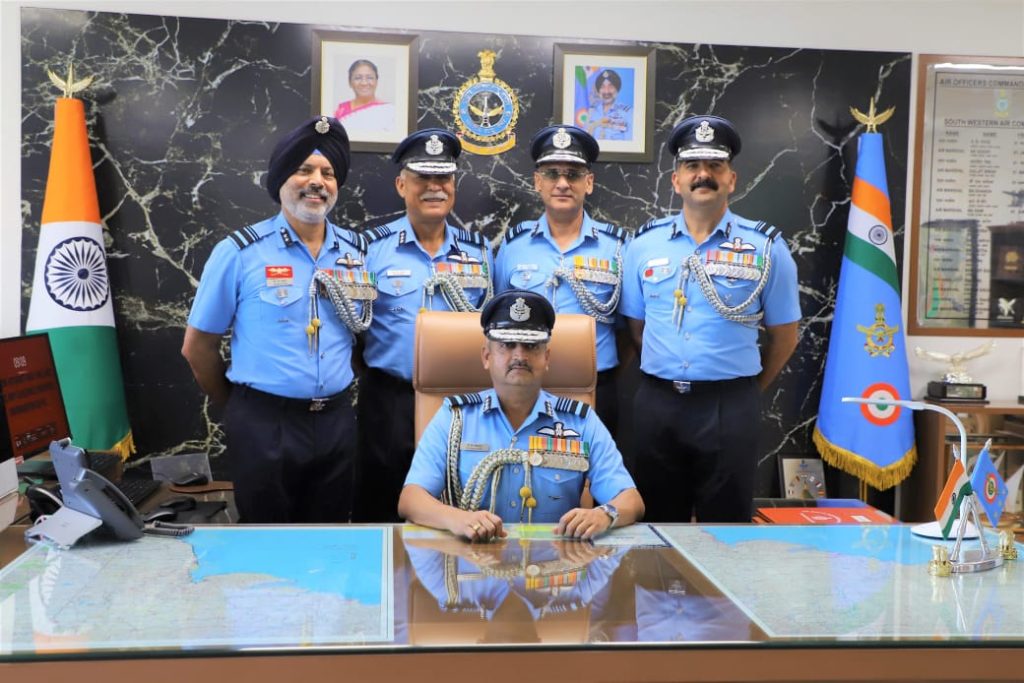
To begin with, the Indian Air Force is split into five operational and two functional commands, each responsible for specific geographical and functional aspects of air operations. An Air Officer Commanding-in-Chief with the rank of Air Marshal leads each of these commands. The commands of the IAF are:
- Allahabad, Uttar Pradesh: Central Air Command, responsible for a significant portion of northern and central India, where it plays a crucial role in coordinating air operations and logistics.
- Shillong, Meghalaya: Eastern Air Command, which handles the eastern front, focusing on surveillance and air superiority over the northeastern states, critical in addressing potential threats from neighbouring countries.
- Thiruvananthapuram, Kerala: Southern Air Command, overseeing operations in the southern region, ensuring maritime security and readiness for rapid response.
- Gandhinagar, Gujarat: South Western Air Command, vital for operations in the western theatre, particularly in the context of the Indian-Pakistani border.
- New Delhi: Western Air Command, which is strategically positioned to respond to threats from the west and is integral in both defensive and offensive air operations.
- Bangalore, Karnataka: Training Command, responsible for training IAF personnel and ensuring that all aircrew are well-equipped with the necessary skills.
- Nagpur, Maharashtra: Maintenance Command, which ensures that all aircraft and equipment are serviced and maintained to the highest standards, crucial for operational readiness.
Each command plays a vital role in the overall functioning of the Indian Air Force, ensuring a seamless integration of air power for national defence.
Stations
Each operational command is further divided into several stations, with each command typically having nine to sixteen stations. Most crucially, an Air Commodore commands each of the installations. Furthermore, each station has one wing and one or two squadrons allocated to it. These stations are strategically located to enable rapid deployment and response to any threats, ensuring that the IAF can operate effectively across the vast expanse of Indian territory.
Wings
Each wing usually consists of two or three IAF squadrons and helicopter units, as well as forward base support groups. The IAF has around 47 wings, each of which is led by an Air Commodore. These wings serve as operational bases that facilitate training, logistics, and tactical operations, ensuring that the air force remains agile and ready for any situation.
Squadrons and Units
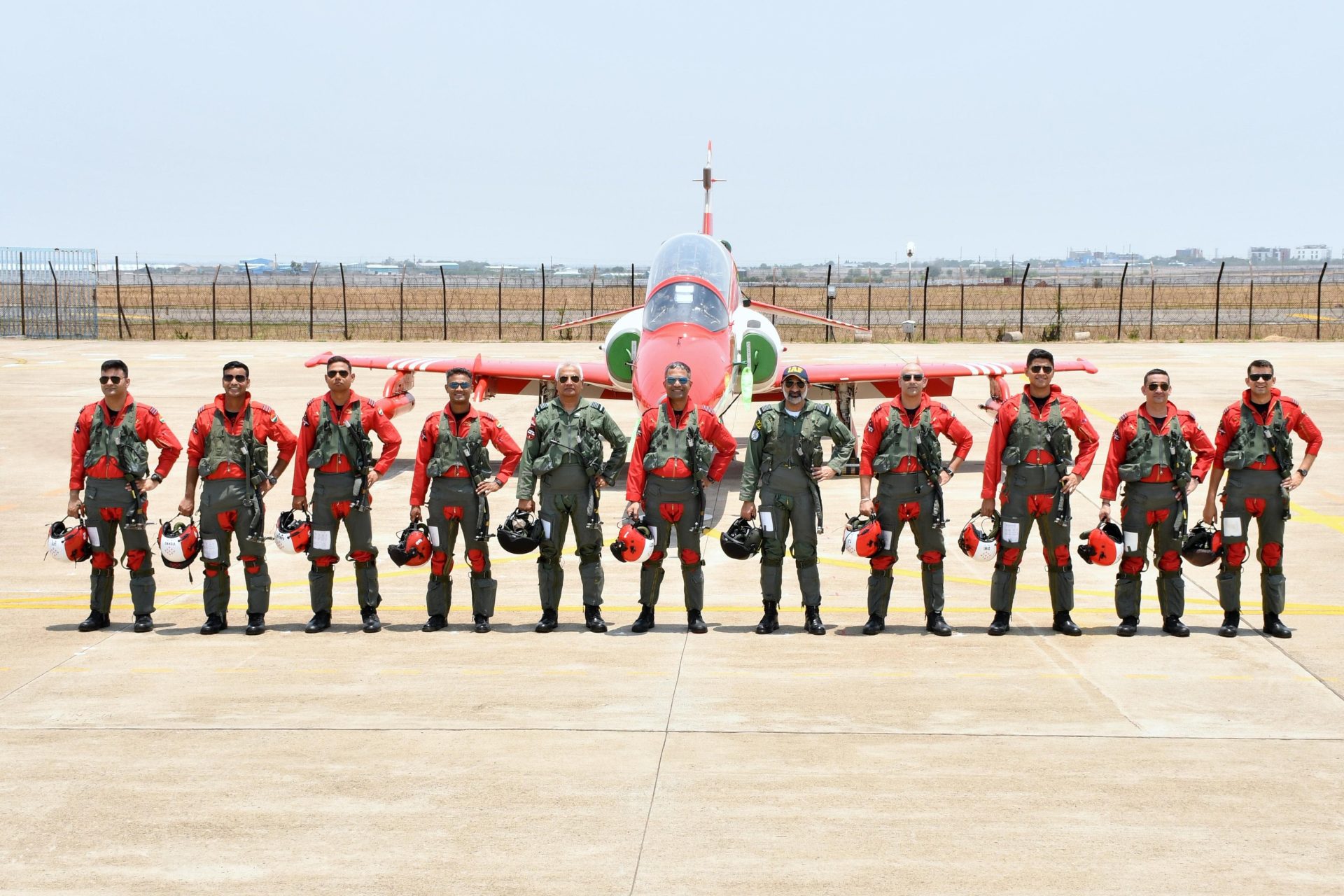
A fighter squadron typically consists of 18 aircraft, and all fighter squadrons are led by a wing commander as the commanding officer. Apart from that, a group captain commands various transport squadrons and helicopter units. These squadrons specialise in different types of operations, ranging from air superiority to close air support, transport, and reconnaissance missions, showcasing the versatility and adaptability of the IAF.
The effectiveness of the Indian Air Force is a testament to how the indian air force operates within its multi-faceted organisational structure, showcasing its operational prowess.
Flights
Each operational command is designed to ensure that the indian air force operates smoothly, allowing for a rapid response to any potential threats.
These wings exemplify how the indian air force operates, adapting to the needs of modern defence strategies.
Squadrons are divided into flights, each of which is led by a squadron leader. A flight is also commanded by an officer with the rank of group captain. Flights are essential for conducting smaller, highly coordinated operations, allowing for flexibility and strategic deployment in various scenarios.
Sections
This versatility highlights how the indian air force operates in various environments, effectively handling diverse missions.
A section is the IAF’s smallest unit, comprising three aircraft and led by a flight lieutenant. Sections are crucial for executing tactics and missions on a smaller scale, often operating in conjunction with other sections to create a cohesive operational strategy.
In conclusion, the Indian Air Force’s fundamental organisation and structure are designed to ensure that it remains efficient, responsive, and capable of protecting the nation’s airspace. The synergy between commands, stations, wings, squadrons, flights, and sections enables the IAF to operate effectively across diverse operational environments, adapting to the ever-changing landscape of modern warfare.
These flights are essential to demonstrate how the indian air force operates in complex scenarios.
Stay tuned to DDE for more insights into the Indian Air Force and its vital role in national defence.
Sections play a pivotal role in showcasing how the indian air force operates as a cohesive unit.
The Indian Air Force’s ability to adapt is a clear indication of how the indian air force operates in today’s dynamic threat landscape.
As we reflect on its achievements, it is evident how the indian air force operates to safeguard our skies.
Understanding how the indian air force operates will continue to inspire pride and security among the populace.
Jai Hind