


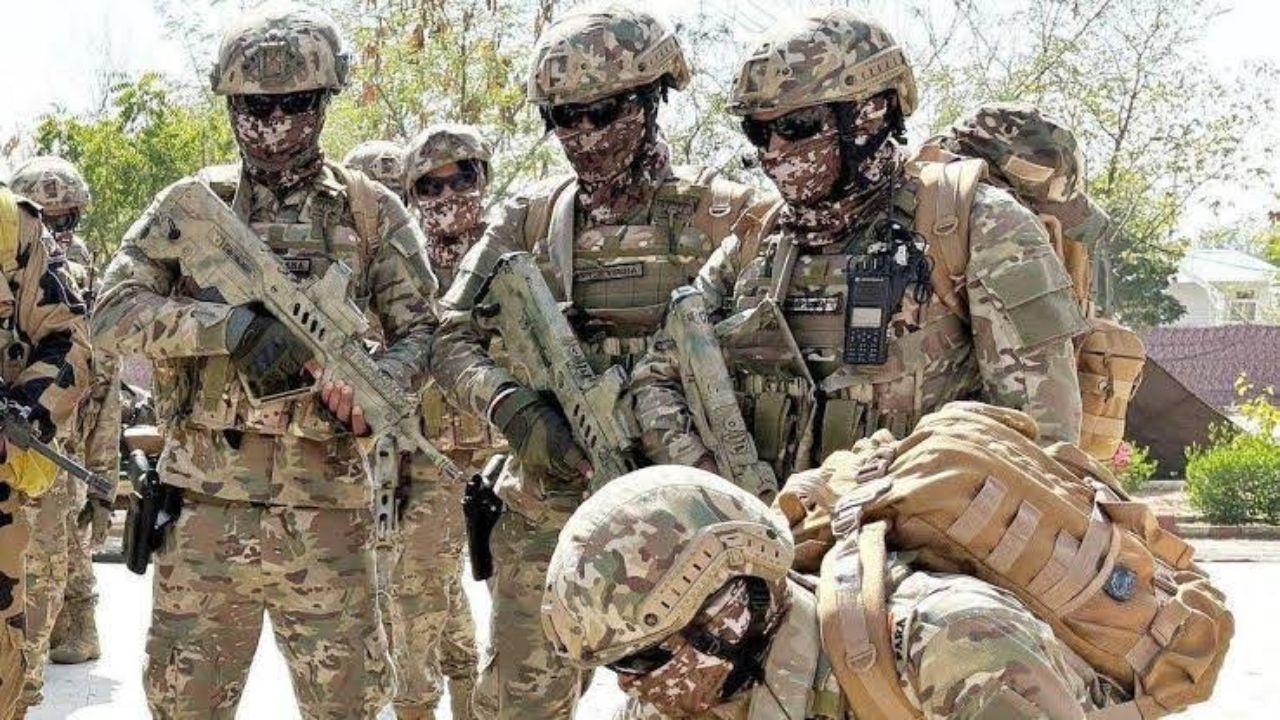
The good thing about combat is that it keep evolving to include modern technology in the form of drones, precision-guided weapons, and electronic warfare among others. To accommodate the same, it is essential to have troops who act as force multipliers. This is where the Bhairav Battalion comes to the mind.
While many of us have heard such fancy names here and there, not many of us realize the significance that these troops hold. Hence, we build on what the Bhairav Battalion is, what it does, and other must-know details.
What is the Bhairav Battalion?
The Bhairav Battalion is a special battalion of the Indian Army which is leaner and more mobile as compared to the regular infantry battalions. This allows them to be deployed quickly for missions that demand speed, specialised skills and tactical flexibility.
Officially, it is called Bhairav Light Commando Battalion and its establishment was announced on 26 July 2025 by the then Chief of Army Staff General Upendra Dwivedi, PVSM, AVSM. This battalion has specifically been constituted to accommodate the changing nature of warfare.
Interestingly, the very name of the battalion is derived from Bhairava, who is a powerful and fierce manifestation of Lord Shiva in Hinduism. Hence, it symbolizes righteousness, decimation of evil, and having an unwavering resolve.
Hence, a Bhairav Battalion can better collaborate with the existing infantry battalions to enhance the special operations capabilities and also providing commanders with a more nuanced rapid response alternative.
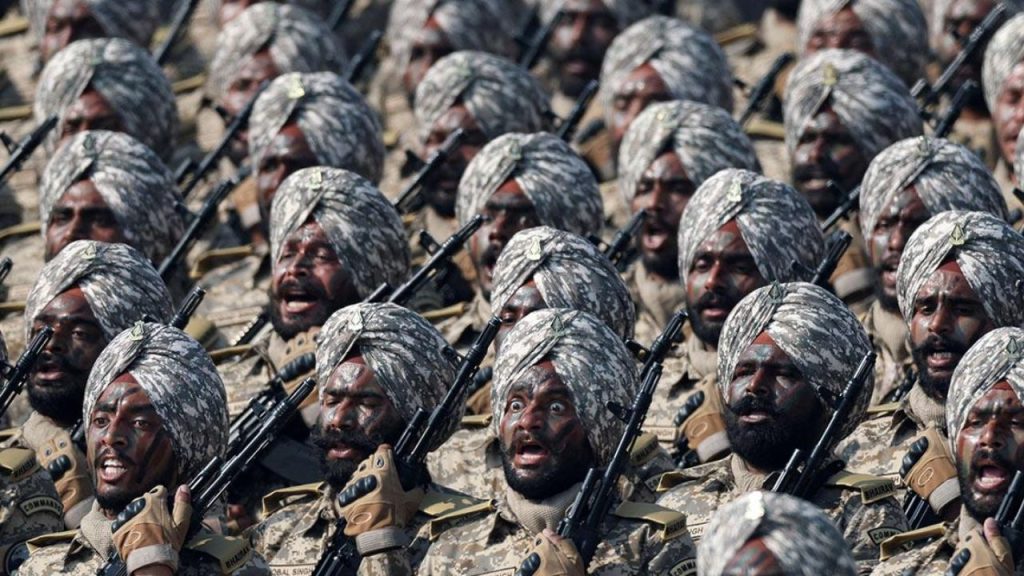
Relevance of the Bhairav Battalion
Now, you might wonder why the Indian Army needs the Bhairav Battalion when it already has a diverse pool of specialized troops across the organization. Well, to think so would be a very surface-level understanding of the same. Hence, the major reasons why this specialized battalion was needed are:
- Rapid deployment through smaller and highly mobile units against any emerging threat
- Modern warfare to operate in drone-heavy and technology-centric battlefields
- Specialised missions such as tactical and commando-type operations
- Difficult terrain and restrictive environments
- Greater flexibility through a more agile force
- Technology integration using drones, surveillance systems and precision weapons
Clearly, the post-Operation Sindoor landscape has revealed the need for adapting to the changing organisational structures as per the needs of modern warfare.

Special Features of the Bhairav Battalion
Due to the pressing need for advancement, the Bhairav Battalion was also equipped with certain special features that make it unique. Let us understand them now.
Strategic Bridge
The Bhairav Battalion acts as a strategic bridge between the tactical and other operational assets of the Indian Army. This means that it is at a position right in the middle of the Ghatak Platoon and the Para Special Forces or Para SF. Hence it provides commanders with a highly mobile strike force assistance, keeping the troops focused on the high-priority operations.
Fight Tonight Philosophy
Next, it follows a “Fight Tonight” philosophy, based on rapid escalation control and lethality. The troops of the Bhairav Battalion are smaller in size and come from different regiments. This helps them bring a range of expertise and specialisation. Therefore, the troops who are selected are generally from locations such as Rajasthan, Ladakh, et cetera, and suited to harsh conditions naturally.
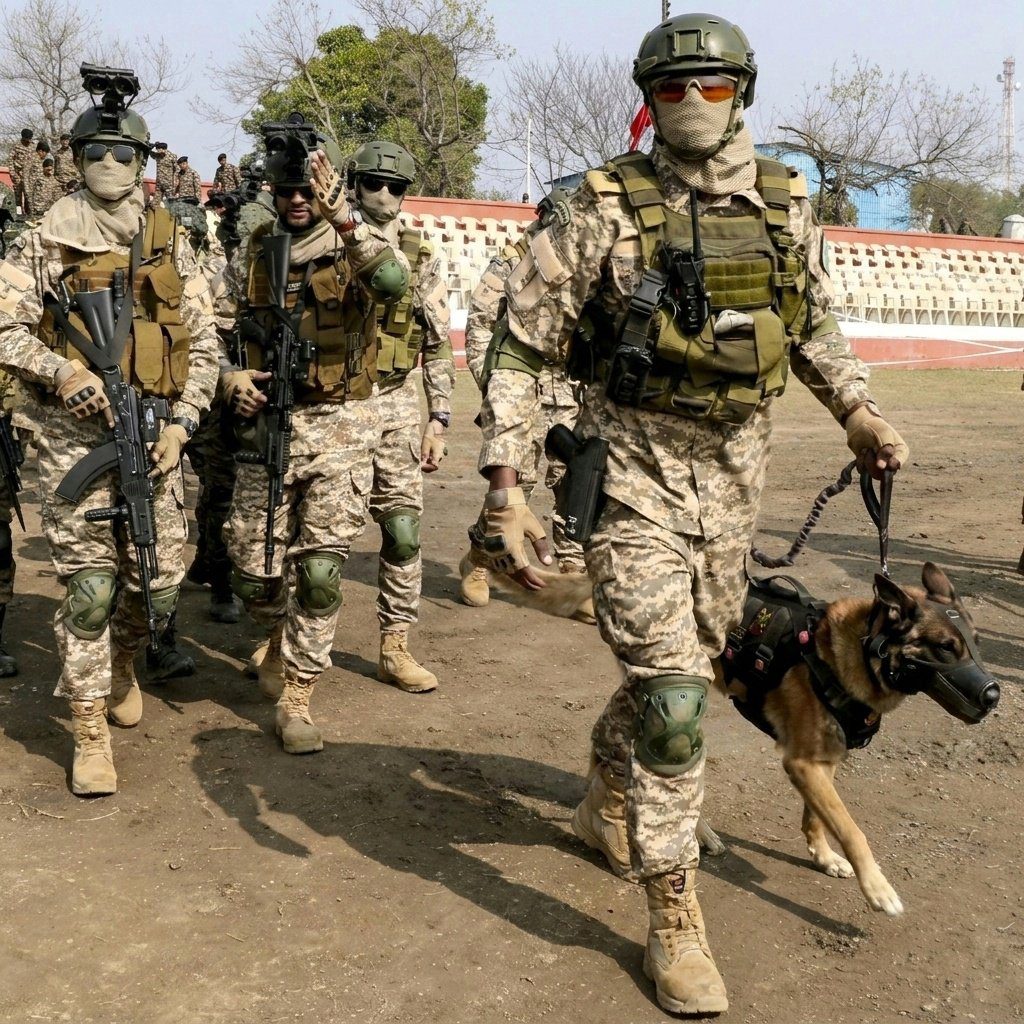
Drone Warfare
Third is the use of drone warfare and other tactical equipment. Every soldier in the Bhairav Battalion is a drone operator. This means right each one of them can handle unmanned systems proficiently. Furthermore, it works alongside the Ashni drone platoon of the Indian Army, ensuring intelligence, surveillance and reconnaissance opportunities.
Also, the Bhairav Battalion operates under the motto, “Invisible and Invincible”, and is deployed at strategic points of the border, such as the LoC and the LAC. This helps them respond rapidly to the changing circumstances and ensure peace.
Final Thoughts
The Bhairav Battalion, interestingly, does not aim at replacing the conventional infantry battalions or existing special forces. Rather, it intends on adding another layer of capability between combat formations and highly specialised operations units. The idea is to provide the Indian Army with the speed, flexibility and tactical acumen which is required in the evolving battlefield.