

Today, exactly ten years ago, the Indian Army conducted the 2016 surgical strike in response to the Uri terrorist attack. This was the first time that the country’s leadership decided to respond to a barbaric act strategically and it changed India’s counterterrorism posture.
Today, we tell you everything about the 2016 surgical strike from reasons and planning to outcomes.
The Background of 2016 Surgical Strike
Before understanding the 2016 surgical strike, let us understand what led the Indian Army to cross the Line of Control (LoC) and purge the perpetrators.
On 18 September, 2016, heavily armed terrorists attacked an Indian Army administrative base near Uri in Jammu and Kashmir. As per official data, they carried weapons such as the AK-47 rifles, grenades, under-barrel grenade launchers as well as communication systems.
Due to this attack, 19 Indian Army soldiers were martyred and four terrorists were killed. This was one of the most deadliest attacks seen in the region hence, it was essential to bring the perpetrators to justice in a way like never before.
Objectives of the 2016 Surgical Strike
The 2016 surgical strike aimed at destroying the terrorist launch pads across the LoC as well as disrupting the consistent infiltration attempts. However, this was not the only objective of the action. Other objectives included:
- Destroying identified terrorist infrastructure
- Neutralizing terrorists
- Disrupting planned infiltration across the LoC
- Reducing casualties among the Indian troops
- Completing the operation effectively
- Returning all personnel to the Indian side of the LoC safely
The 2016 surgical strike was not intended to be a full-fledged attack but a limited cross-border raid to respond to the barbarism decisively.
Personnel Involved and Planning
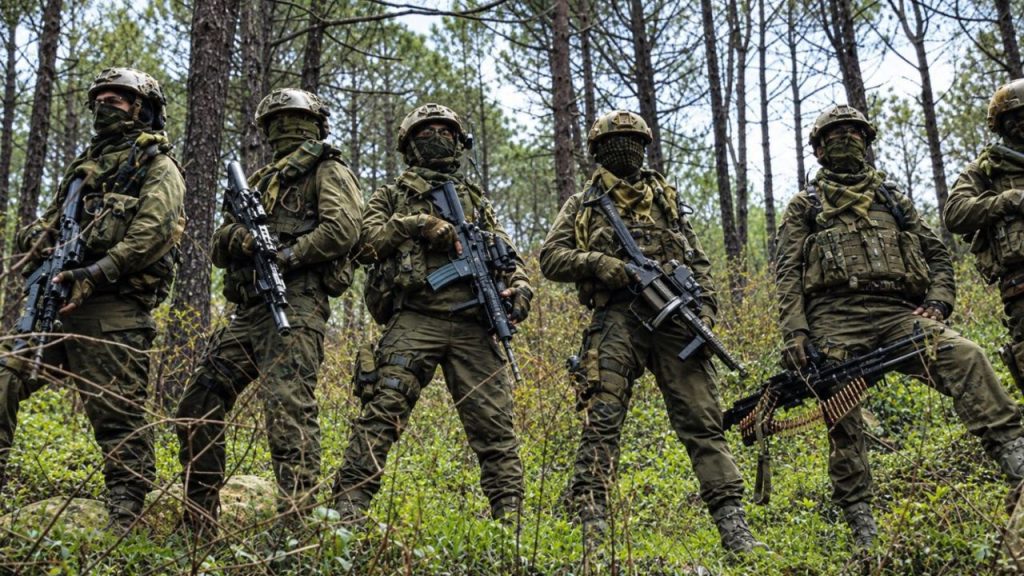
Personnel form an essential part of any mission of the armed forces, and this surgical strike was no different. This strike was carried out by the elite Para (Special Forces) of the Indian Army.
According to the official data released by the authorities, the personnel involved in the 2016 Uri surgical strike were from the 4 Para SF, 9 Para SF, and supporting elements such as the Ghatak Platoon.
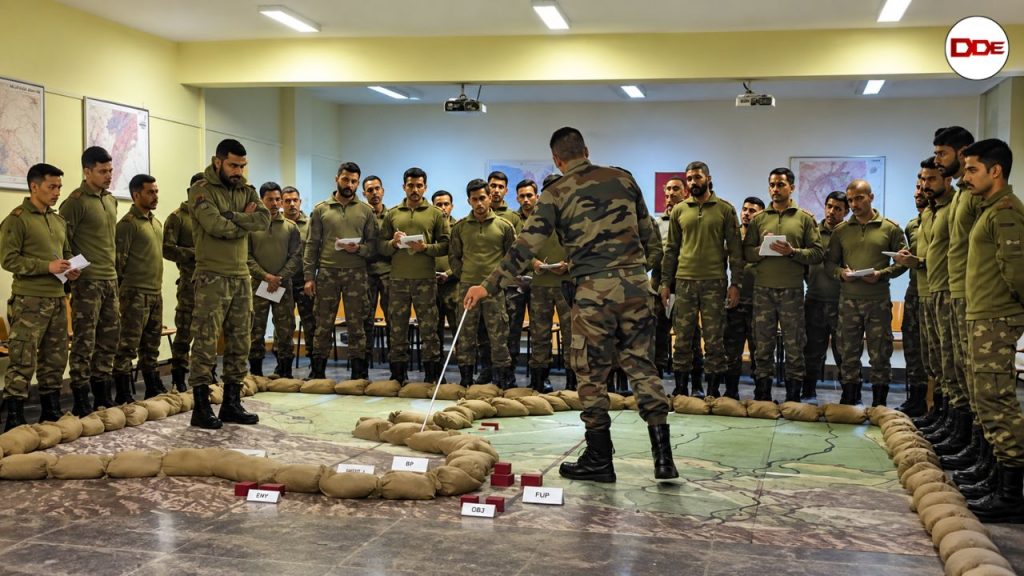
The efficiency of these personnel advanced through the detailed strategy that took every nuance into account. The planners chose the night of 28-29 September, 2016 as the day of the attack and it included extensive intelligence, surveillance and reconnaissance (ISR) of the targets, which helped identify:
- Location of launch pads
- Presence of terrorists
- Terrain
- Movement patterns
- Pakistani military positions
- Possible routes for approaching the targets and withdrawal
In fact, even the knowledge of local terrain helped the Indian Army plan out their strategy and utilize their resources well. Additionally, the element of speed, precision, and surprise favoured the men in OGs.
Crossing the LoC and the Assault
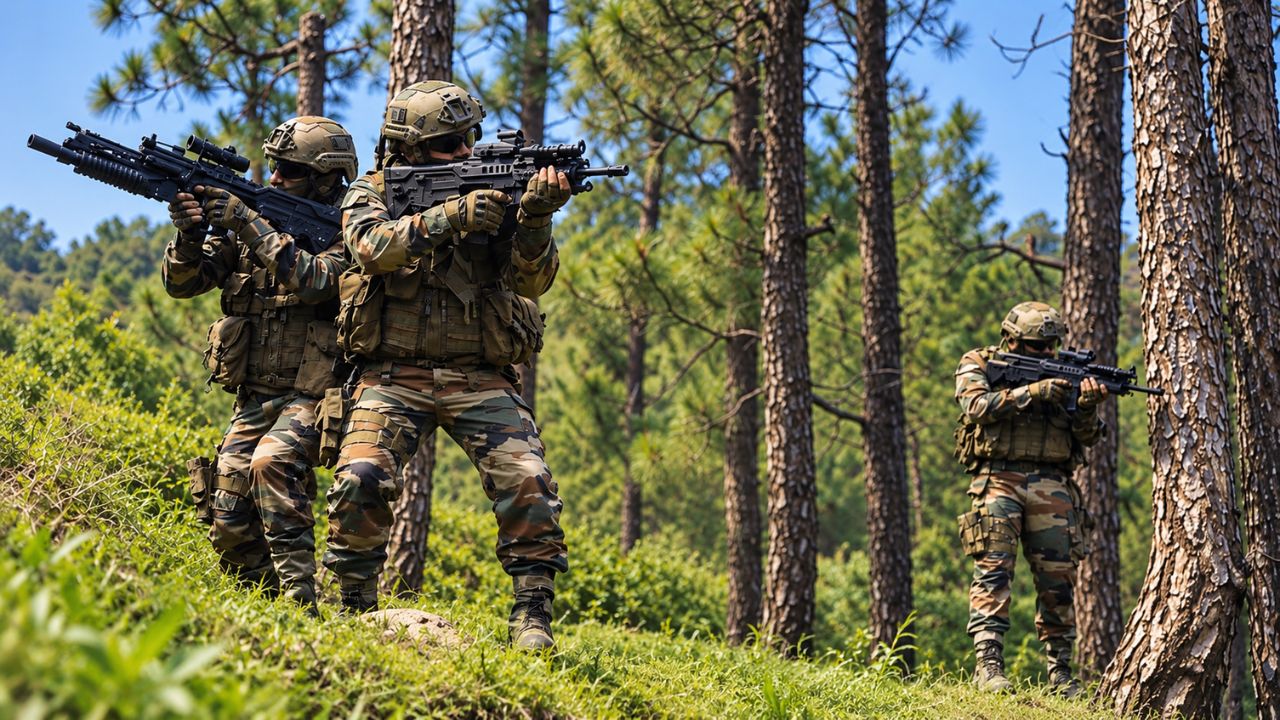
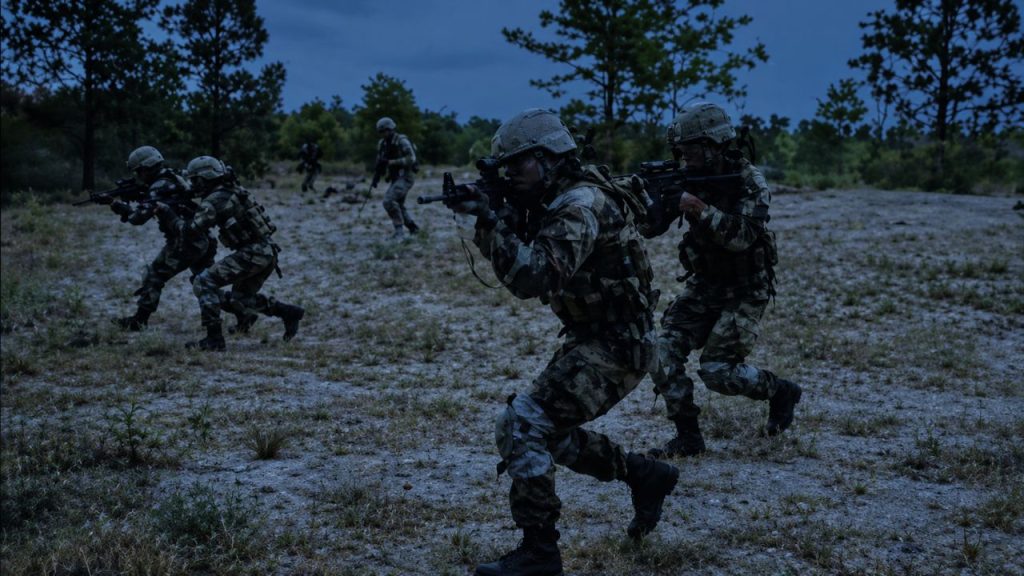
The 2016 surgical strike required the Para SF soldiers to cross the LoC and what helped them was their knowledge of the local terrain. The terrain along the LoC comprises mountains, forests, and heavily fortified military positions. This made the use of helicopters impossible. Hence, the commandos walked on foot.
Also, they split into smaller teams to avoid any suspicion and approached the target from different directions. Once they were at their desired locations, they attacked simultaneously which left no room for the terrorists to act rationally.
However, in doing so, the Para commandos ensured that they inflicted maximum damage on the launch pads, and devastated their capabilities while also limiting the scope of their attack. This is why the weapons used included:
- Small-arms fire
- Grenades
- Rocket systems
- Destruction of temporary structures
- Close-quarter combat
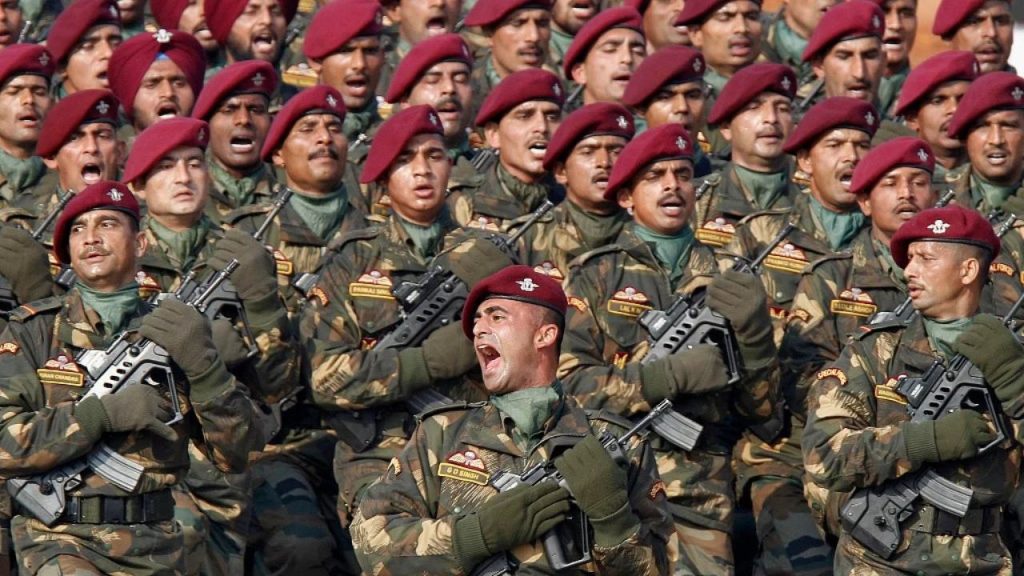
These kept the surprise element intact for the maroon beret-clad commandos.
The Withdrawal
Finally came the most difficult stage of the 2016 surgical strike: withdrawing from the territory and crossing into the Indian side. This was particularly difficult because after the use of arms, the enemy grows alert and begins the lookout for the attackers.
Hence, the planning phase had also included the predetermination of routes that the Para commandos would use to withdraw and return. Due to this, about 35-40 terrorist casualties were reported by the official sources, whereas all Indian troops returned safely.
Significance of 2016 Surgical Strike
The 2016 surgical strike was not just any other military operation, rather it included the element of surprise and decisiveness, that changed the way India responded to terrorist acts on its soil. Hence, the significance of this strike included:
- Changed India’s counterterrorism posture
- Showcased the capability of the Para SF commandos
- Integrated the military and intelligence power of Indian Army
- Signaled that India would respond to any such barbaric acts decisively
Final Thoughts
Hence, the 2016 surgical strike was a carefully planned and limited operation that involved crossing the Line of Control, striking identified terrorist launch pads and returning before further escalation. It acted as a precedent on which the Indian Armed Forces have developed over the years, whether in the 2019 Operation Bandar or in the 2015 Operation Sindoor.
Even after a decade, India’s resolve and commitment to counterterrorism has remained steadfast, which it continues to share on global platforms. As a defence aspirant and a citizen of the country, it therefore becomes important to know and celebrate such occasions.
On the night of 28–29 September 2016, the Indian Army conducted surgical strikes against terrorist launch pads across the Line of Control following the Uri terror attack.
— Defence Direct Education (@DefenceDirect) September 29, 2026
The successful strikes in Pakistan-occupied Kashmir (PoK) are commemorated as Surgical Strikes Day,… pic.twitter.com/kd1OSGXhrn