

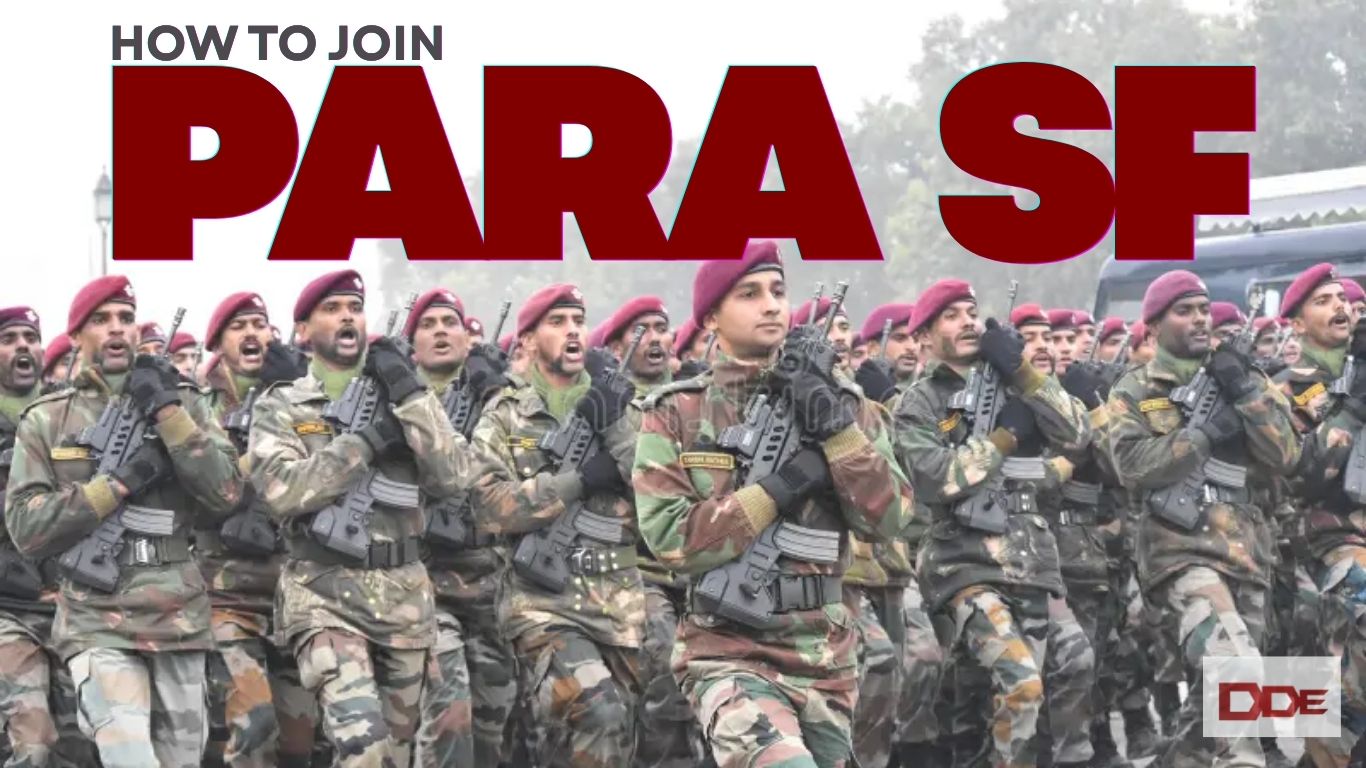
Every year, thousands of young candidates appear for the SSB interview and a few hundreds become officers in the Indian Army. Out of these, some aspire to earn the maroon beret and the Balidan badge. If you are one of the latter, this blog tells you how you can join Para SF as a commando.
What is Para SF?
The Indian Army has several regiments and one of these is the Parachute Regiment. This is the Indian Army‘s elite volunteer force, which is popular for its efficiency in high-risk missions. The regiment has two parts: Para and Para SF.
Before you find out how to join Para SF, here is a basic list of differences between the two:
| PARA | PARA SF |
| Regular paratroopers who function as airborne infantry | Special operations unit for assault in enemy territory |
| Trained in airborne and infantry warfare | Undergo probation and train in advanced techniques for unconventional warfare |
| Wear “Shatrujeet” insignia along with the maroon beret, and Paratrooper wings | Wear the coveted “Balidan” badge along with the maroon beret and PARA wings |
| Battalions: 4, 5, 6, and 7 | Battalions: 1, 2, 3, 9, 10, and 21 |
How to Join Para SF
The Parachute Regiment is a voluntary regiment of the Indian Army, which means that you have to opt for it during training. But merely opting for it does not guarantee you a spot among the Elite. You must prove yourself.
To join Para SF, you have to first join the Indian Army. There are two ways to do so:
- As a soldier: You must have 100% marks in the physical tests, and at least 50% marks in the written test. Such candidates get an option to join Para SF by their AROs and undergo some screening tests.
- As an officer: You can opt for it during your training period or after commissioning.
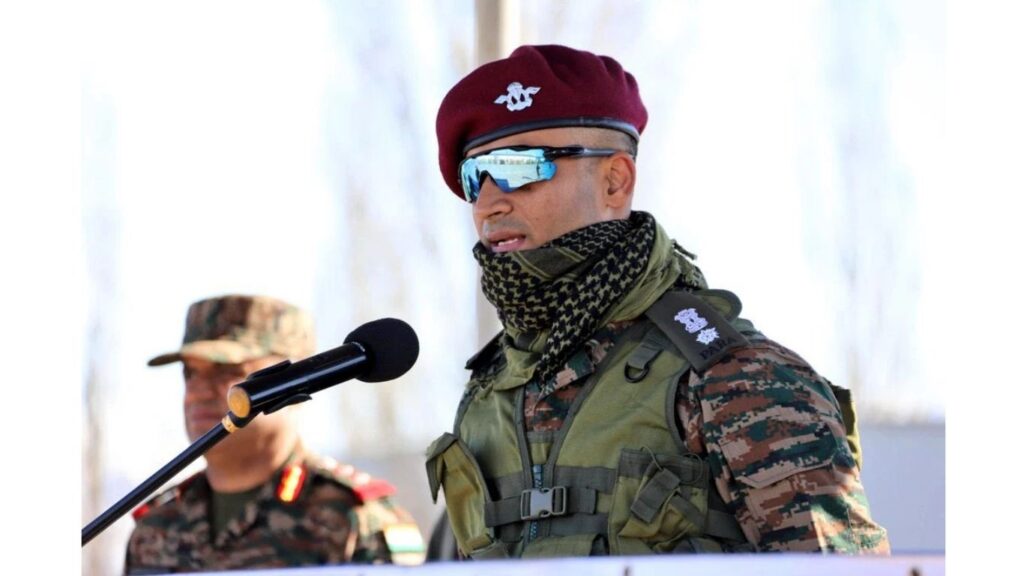
To join after commissioning, you must fulfil the following criteria:
- Less than five years of service
- Medical category should be SHAPE-1
- Excellent grade in BPET
Probation to join Para SF
After opting to join Para SF, you undergo a probation of three months (90 days). The training is similar to the regular infantry training that soldiers get. It includes a range of mental and physical tests, however, the stresses are enhanced. Here is a breakdown of the probation period:
The first 35 days
The probationers receive physical training and learn new skills such as weapons handling, cooking, navigation, survival, and blindfolded team assembly. They also learn how to handle animals, and foreign language communication before they join Para SF.
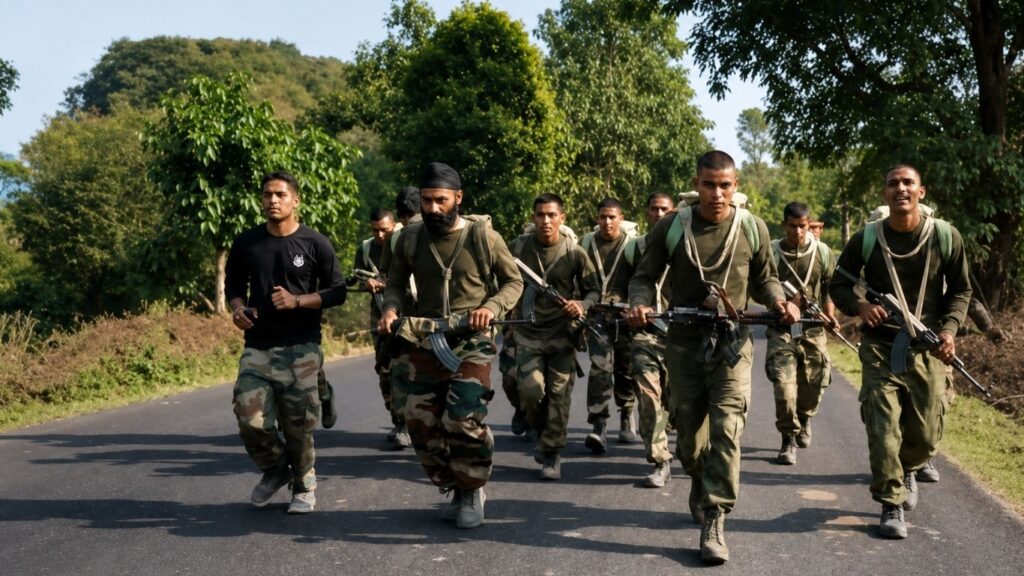
They are deprived of food and water for four days, have restricted water intake for three days, and work without sleep for seven days. Additionally, probationers carry a 10kg-sandbag at all times and go for 10-40 km speed marches in battle gear. Nearly 20% of volunteers are unable to bear these stresses and leave.
Day 45 and 56
The 45th day brings the excruciating 36-hour stress test for probies who wish to join Para SF. It includes a 10-km speed march carrying loads, weight-shifting exercises with 85 kg of load (a heavy log of wood) and simulated drowning and oxygen deprivation (trial by water).
Interestingly, probationers do not get any food or water for the first sixteen hours and undergo other exercises without sleep. On the 56th day, all probies complete a 100-km endurance run with 10 kg battle load and 7 kg personal weapon within 15 hours.
Day 60 to 90
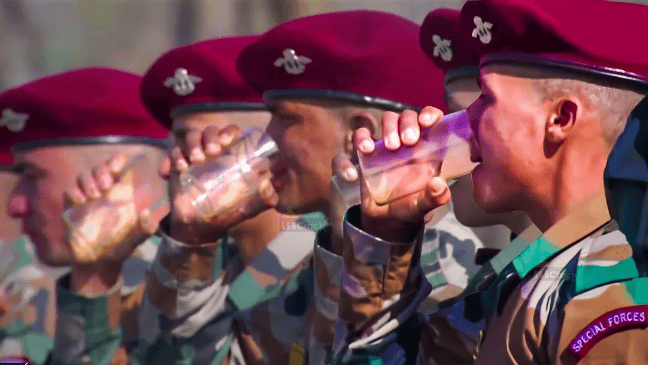
After the gruelling phases of training, the remaining probationers undergo the counter-terrorism operations phase. Once done, the select few earn the maroon beret and join Para SF as volunteers with the glass-eating ritual.
Specialization
After you join Para SF, you acquire a range of advanced techniques and skills. These include:
- Communication
- Combat survival and medical procedures
- Management of trauma
- Weapons training
- Reconnaissance and surveillance
- Rescue of hostages
- HAHO and HALO (High Altitude High/Low Opening)
To join the Para SF is a matter of pride. It gives you a chance to experience life like never before through para jumps, close-quarter combats, and high adrenaline situations. The “Balidan” badge, hence, is not just a symbol of sacrifice but also of immense responsibility.