

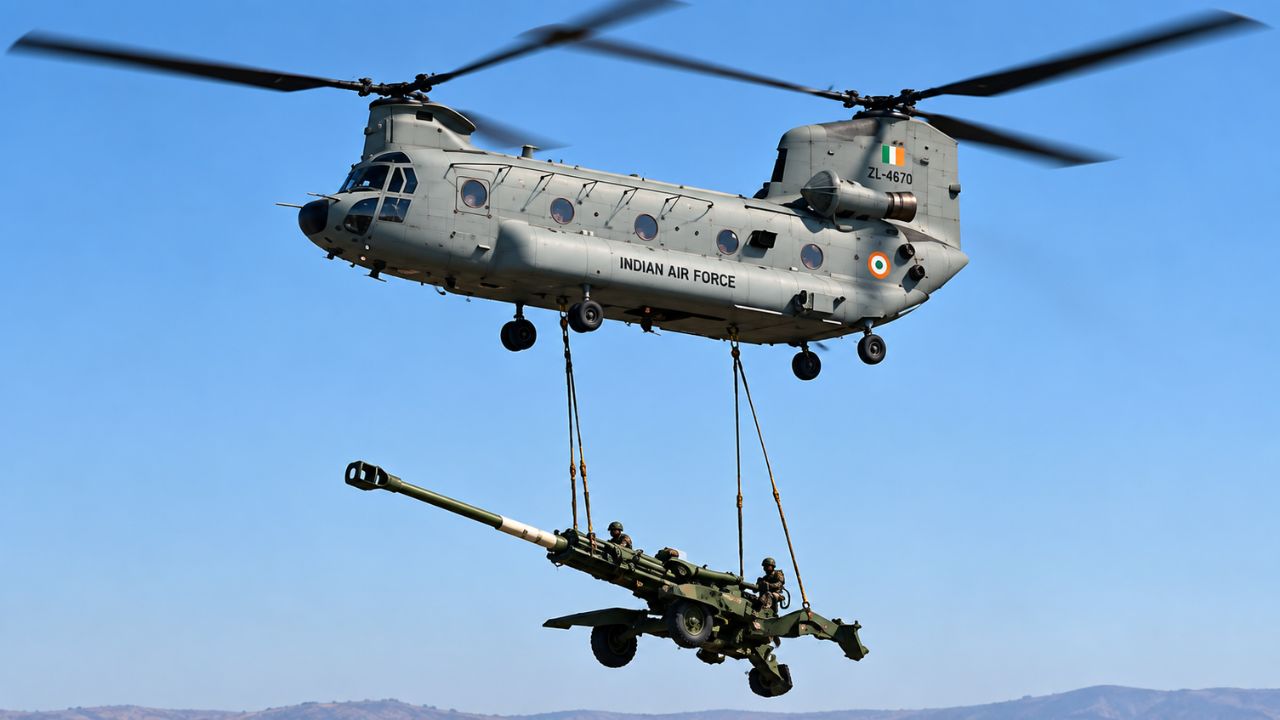
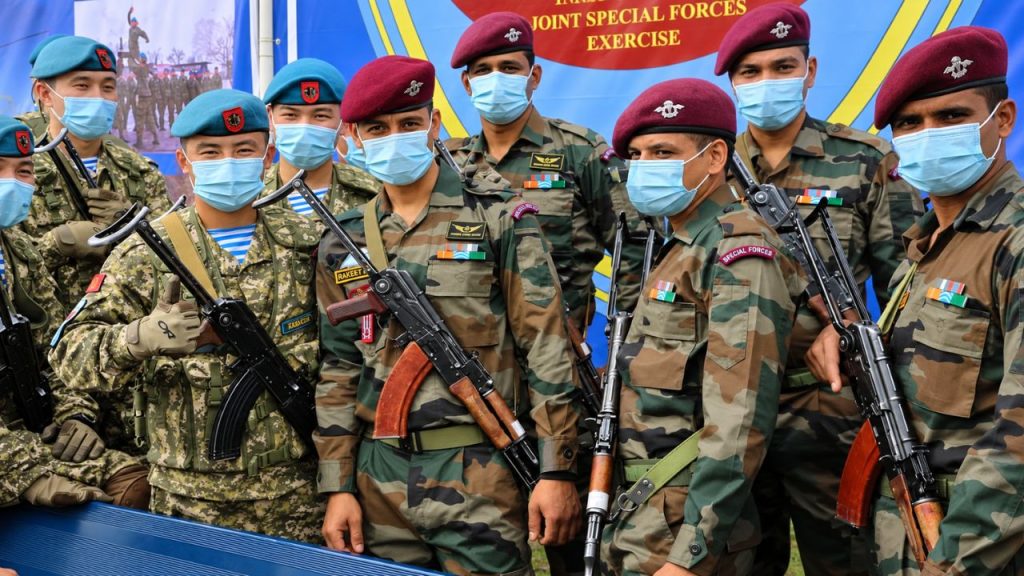
When one says the word “Para” the first thing that comes to your mind is the elite Parachute Regiment of the Indian Army. But did you know that there is something called the Para Field Artillery, which is a regiment that combines airborne tactics with artillery. Today, we tell you what this special regiment is and how it works alongside the God of War.
What is the Para Field Artillery?
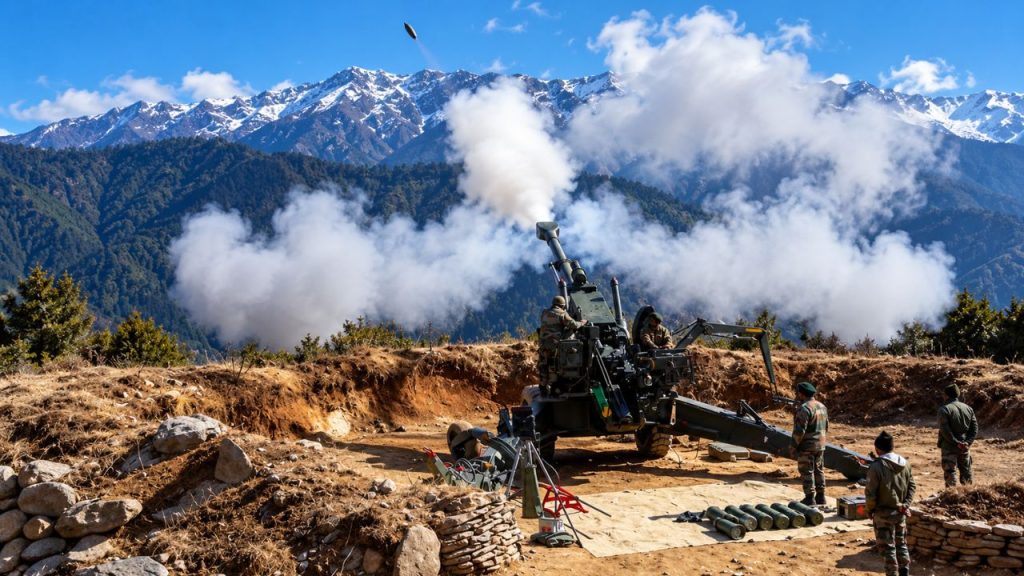
We all know what the Regiment of Artillery is. It is the regiment which delivers indirect fire in support of the infantry. You can read more about how the artillery functions here. The Parachute Field Regiment of the Regiment of Artillery functions likewise but can also support airborne troops.
The Indian Army has two para field artillery regiments: the 9 Para Field Regiment and the 17 Para Field Regiment. They provide fire support to troops that operate in an airborne environment. Now we will tell you about these two in the next section.
Para Field Artillery Regiments
As we told you, there are two separate Para Field Artillery Regiments in the Indian Army. If you aspire to join either of these, you should be well aware about them and their functions.
9 Para Field Regiment
The 9 Para Field Regiment was raised in Kumbergaon in Pune, Maharashtra on 1 April 1943, as 9 Field Regiment of the Royal Indian Artillery. Later, in 1945, it was converted into a parachute field regiment and was the first such regiment of the Indian Army. Its personnel are popularly known as the “Niners”.
17 Para Field Regiment
The 17 Para Field Regiment originated as the 8th Battalion of the 7 Rajput Regiment in 1941. It later became an artillery regiment and subsequently converted into a para field artillery in 1946.
One of these is associated with the 50th Parachute Brigade at a time, and rotate between the airborne role and other field roles.
Para Field Artillery Deployment
You might wonder how the deployment of the para field artillery is different from the ground-based artillery. Interestingly, there is a difference that not many people know of. Generally, the common stages followed include:
Preparing for deployment
Before actual deployment comes the preparation phase, and the para field artillery knows it the best. Hence, it prepares personnel and equipment such as:
- Guns and ammunition
- Communications equipment
- Vehicles
- Maintenance resources
- Parachute equipment
The entire preparation depends on the kind of aircraft being used and the operation planned by the forces.
Movement and transport
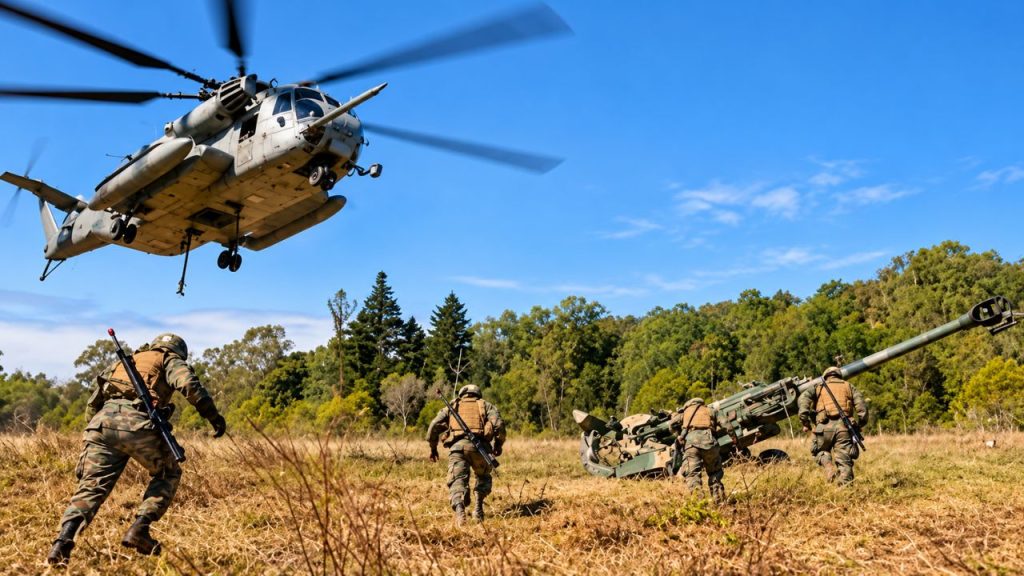
Next is the movement to the launch area. This requires the para field artillery personnel to prepare the equipment. Similarly, they also coordinate with the different units such as infantry, ground-based artillery, signals, intelligence, et cetera that helps in better deployment.
Once done, the regiment transports the personnel and equipment through the correct airborne tactics such that it can be helpful to the airborne troops during their operation. Due to this involvement it gets its unique name.
Assembly of equipment
Now comes the assembly phase. Most of the time the equipment is transported in parts, and after landing it has to be assembled so that the gun is functional. Hence, the para field artillery personnel are specially trained for roles such as:
- Locating and assembling equipment
- Establishing communications
- Preparing ammunition and guns
- Coordinating with other troops
Once all of this is done, the gun is ready to offer fire support to the ground troops as an airborne artillery.
Para Field Artillery vs Ground-Based Artillery
Finally, for your convenience, we also tell you how the para field artillery is different from the ground-based artillery. This will be easier to gauge through the given table:
| Para Field Artillery | Ground-Based Artillery |
| 1. Provides support to airborne troops and Para formations | 1. Provides support to ground-based formations |
| 2. Moves to the operational area by road or rail and other means | 2. Deployable by air as part of an airborne operation |
| 3. Depends on ground-based replenishments | 3. Requires airborne logistical planning for supply |
| 4. Heavy equipment is easily transported by larger vehicles | 4. Equipment is transported via aircraft so heavy ones are difficult to deploy |
| 5. Requires basic artillery skills, conventional fieldcraft and combat training | 5. Requires the same training as ground-based troops along with specialized airborne training |
Hence, while their functions and goals are similar, the ways of achieving the same are quite different. Therefore, you must also know these differences.
Final Thoughts
In conclusion, the para field artillery is the airborne arm of the Regiment of Artillery. It provides the airborne troops with adequate firepower that helps them counter the enemy effectively. This is what makes the regiment less-known yet very instrumental in achieving the overall goals of the Indian Army.