

A robust organization system is an inherent part of any institution. Likewise, the Indian Army also functions on a foolproof hierarchy. The interviewing officer often asks questions about the organizational structure of Indian Army to candidates. Hence, we decode it entirely for you.
Need for Structure of Indian Army
In very simple terms, an organizational structure is a hierarchy that tells you how an institution functions. It is a way to tell you who commands whom, and who does what. Due to their large size, even the armed forces have a similar setup.
The organizational structure of Indian Army has several benefits:
- Ensures centralization with the top brass being responsible for decisions
- Creates specific areas of responsibility
- Builds accountability
- Facilitates rapid deployment in testing times
Organizational Structure of Indian Army
As we’ve shown, having a structure prepares you for the worst. It’s like the system that many of us have in our families, wherein we know whom to report to for finances or who we are accountable to.
Let us now look into the organizational structure of Indian Army, which makes it one of the best in the world:
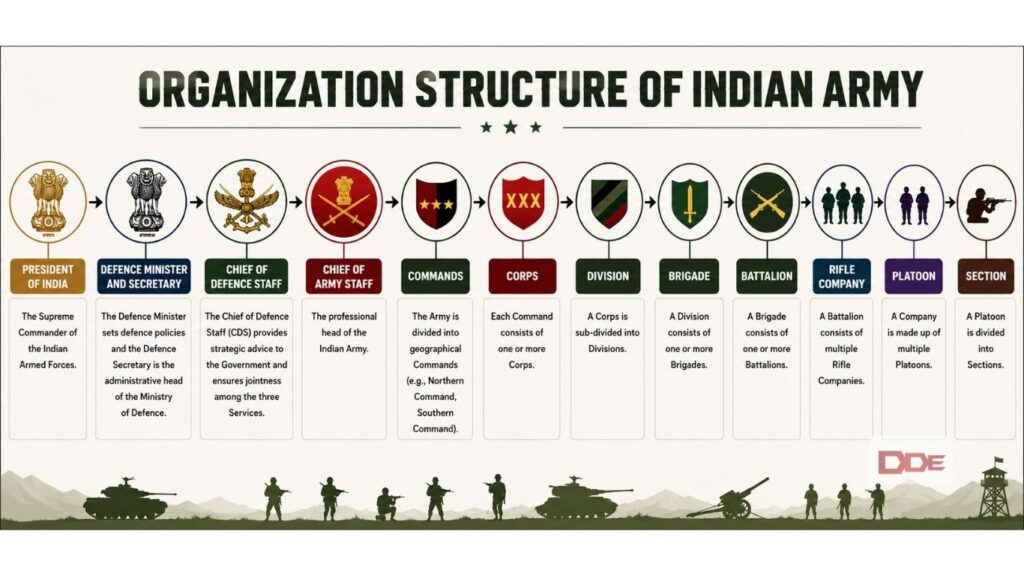
President of India
The President of India is the supreme commander of the Armed Forces. Hence, she occupies the top position and all military-related decisions and actions are carried out under her name. Currently, Smt. Draupadi Murmu is the President of India.
Defence Minister and Defence Secretary
These are government officials who look into defence matters and lead the structure of Indian Army. The defence minister creates robust policies as he is a member of the government in power. The defence secretary, on the other hand, is generally a civil servant acting as the administrative head of the Ministry of Defence.
Presently, India’s defence minister is Sh. Rajnath Singh, and the defence secretary is Sh. Rajesh Kumar Singh.
Chief of Defence Staff (CDS)
The CDS is the highest-ranking officer from the military who acts as the single point of contact and advisor to the government. This position was added to the structure of Indian Army in 2019 to ensure interoperability among the Armed Forces. The current CDS is General NS Raja Subramani, PVSM, AVSM, SM, VSM.
Chief of Army Staff (CoAS)
When we speak of the structure of Indian Army, the CoAS occupies the fourth position in the hierarchy. Being the professional head of the Indian Army, he heads the Army HQs at New Delhi. The current CoAS is General Dhiraj Seth, PVSM, UYSM, AVSM.
Commands
The Indian Army comprises seven commands (six operational and one training). An officer of Lieutenant General rank heads each command. Here is a list of each command, its location, and its General Officer Commanding-in-Chief (GOC-in-C) as of 2026:
| COMMAND | LOCATION | GOC-in-C |
| Northern | Udhampur, J&K | Lt Gen Pratik Sharma |
| Eastern | Kolkata, West Bengal | Lt Gen VMB Krishnan |
| Southern | Pune, Maharashtra | Lt Gen Rajesh Pushkar |
| South-Western | Jaipur, Rajasthan | Lt Gen Mohit Malhotra |
| Western | Chandimandir, Haryana | Lt Gen Pushpendra Pal Singh |
| Central | Lucknow, Uttar Pradesh | Lt Gen Anindya Sengupta |
| Training Command (ARTRAC) | Shimla, Himachal Pradesh | Lt Gen Devendra Sharma |
Corps
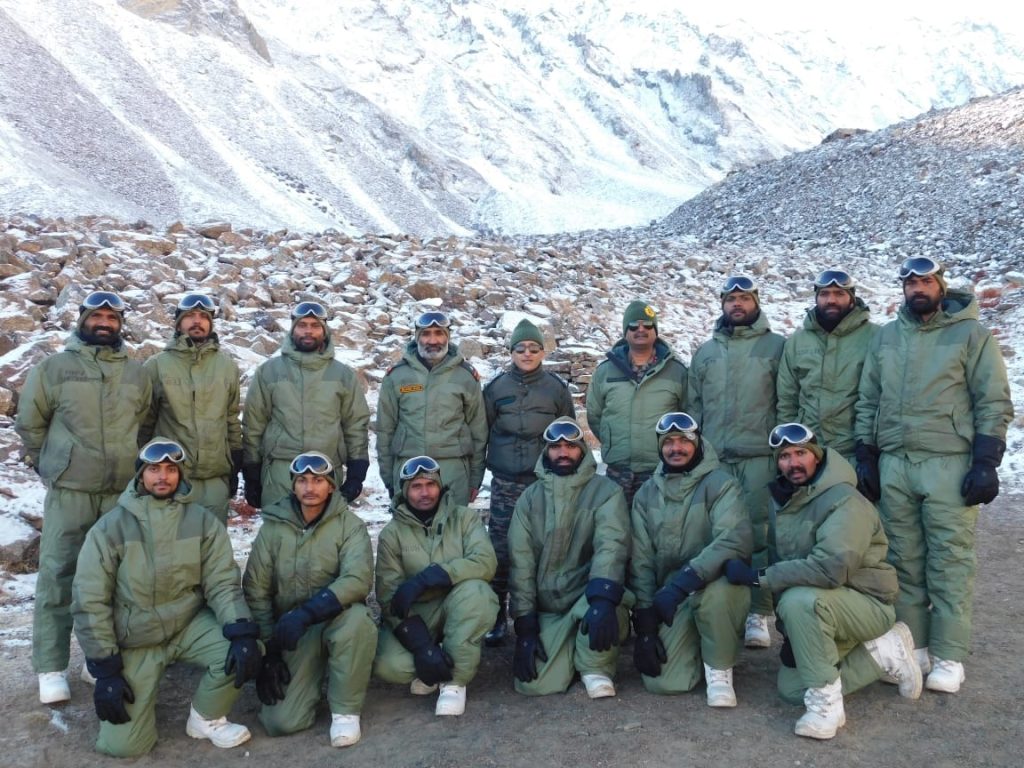
Each command comprises about two or more corps, headed by an officer of Lieutenant General rank. Each corps includes about 3-4 divisions with a total strength of 30,000 to 1,00,000+ personnel. The structure of Indian Army encompasses two kinds of corps:
- Field and strike corps
- Functional and support corps
Some examples include the XIV Fire and Fury Corps, XV Chinar Corps, and the Corps of Engineers among others.
Division
A division follows the corps in structure of Indian Army. It includes 3-4 brigades and is headed by a Major General. Hence, it comprises anywhere between 10,000 to 23,000 troops. Generally, there are specific kinds of divisions:
- Infantry
- Mountain
- Armoured
- Artillery

Brigade
The structure of Indian Army also comprises a brigade, which is led by a Brigadier. It has about 3000+ troops and encompasses 3-4 battalions or regiments. Just like a division, a brigade also has its types (as mentioned above) and an example is of the Rudra All-Arms Brigades.
Battalion
An officer of Colonel rank leads a battalion, which comprises around 1000+ army personnel. It is responsible for on-ground tactical combat and includes 3-4 rifle companies. A battalion may sometimes, be commanded by a Lieutenant Colonel too. The Bhairav battalions are a part of the structure of Indian Army.
Rifle Company
A rifle company is led by a Lieutenant Colonel or a Major and include 3-4 platoons. It has about 120 soldiers and they’re known for their swift response during combat. Some examples include the Garhwal Rifles, Rajputana Rifles, and JAK Rifles.
Platoon
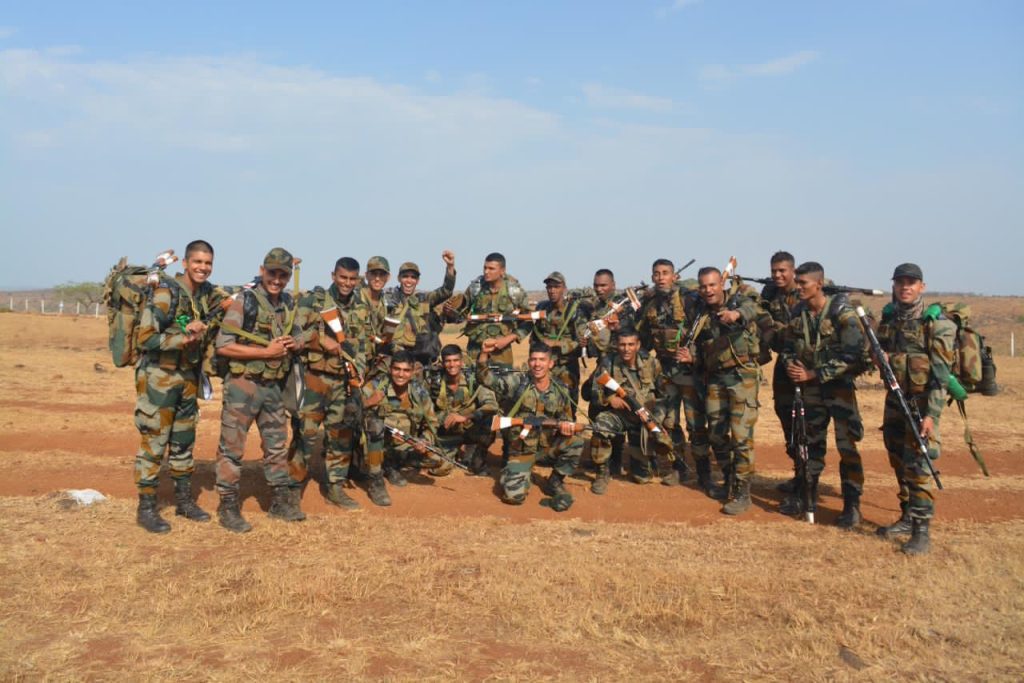
A platoon is next in the organizational structure of Indian Army. It is led by a Major or a Captain and comprises 32-40 personnel. There are three kinds of platoons: the rifle platoons, Ghatak platoon, and support platoon. A platoon is commonly called paltan in Hindi.
Section
This is the smallest functional unit of the Indian Army, comprising about 10-12 soldiers. Hence, it is led by a JCO-rank personnel.
Structure of Indian Army: Final Thoughts
The organizational structure of Indian Army is designed for efficiency at all times. Therefore, each element, whether as small as a section, or as large as a corps, ensures coordination for positive outcomes. This helps uplift the idea of unity being a strength.