


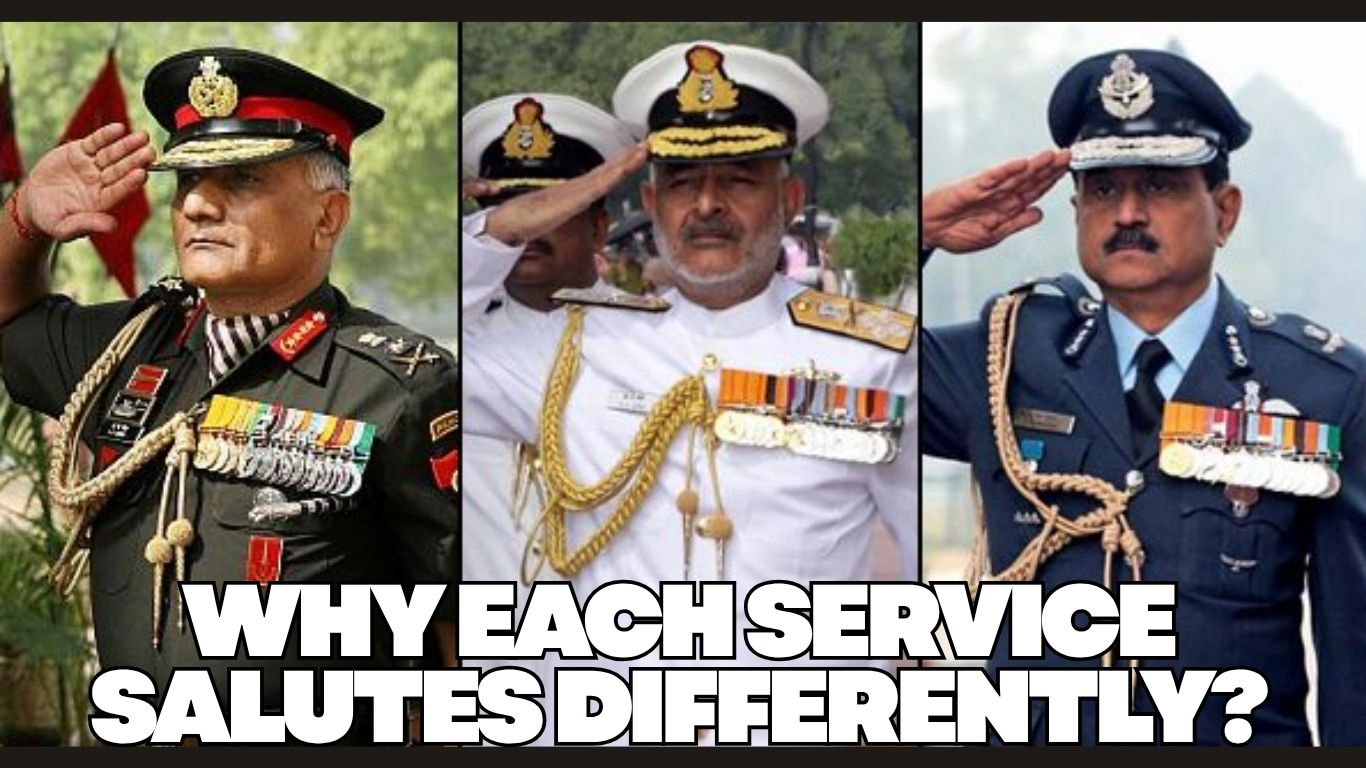
The salute is a military tradition that armed personnel from all countries of the world actively follow. However, unlike most other countries, the Indian Armed Forces salutes are distinct and rich in meaning. In this article, we will delve deeper into the different salutes in the armed forces of India, exploring their historical significance, variations among different branches, and how the indian armed forces salutes reflect the values and discipline of the military. Each salute, filled with tradition, showcases the respect, honour, and commitment that the armed forces uphold. The rich history of indian armed forces salutes underlines the pride and dedication to service.
What are Salutes in Armed Forces?
Understanding the significance of the indian armed forces salutes is crucial for appreciating the rich traditions of military respect and hierarchy. Salutes are not merely gestures; they represent an unspoken bond of trust and commitment among the ranks. In this section, we will examine the various contexts in which salutes are used, shedding light on their importance during ceremonial occasions, daily drills, and interactions between personnel of differing ranks.
Additionally, the significance of indian armed forces salutes can be witnessed in both ceremonial and operational contexts.
A salute is the action of raising your hand to your head as a form of respect or recognition to the beholder. It is an important part of the armed forces and personnel often salute their superiors as per military protocol. Beyond just a physical action, the salute embodies the core values of the military, such as integrity, respect, and unity. It serves as a reminder of the sacrifices made by the armed forces and the pride associated with serving the nation.
While the origin of salutes in armed forces remains uncertain, many people believe that it traces its history to the medieval period when knights raised their visors to show that they were harmless. This tradition continued over the years and has acquired its present form. Each salute represents:
- Respect for the rank of the beholder
- Discipline of the armed forces
- Continuance of military tradition
- Honour to the nation
These principles are foundational to the camaraderie and operational effectiveness found within the ranks of the military.
- Respect for the rank of the beholder
- Discipline of the armed forces
- Continuance of military tradition
- Honour to the nation
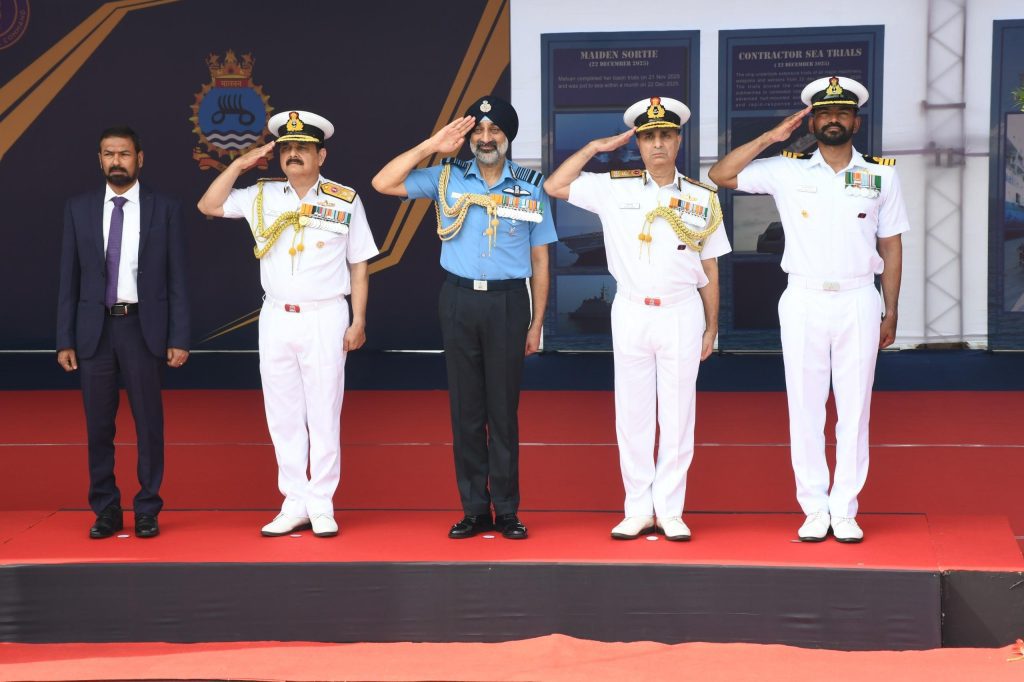
The meanings behind the indian armed forces salutes are crucial for understanding the ethos of military culture.
Salutes in Armed Forces of India
You must have noticed that the salutes in armed forces of India are quite distinct from each other. All personnel of the Indian Army, Air Force, and Navy salute each other differently. Please know that this isn’t to appear varied or better but a result of tradition. The differences in salutes reflect the unique identities and functions of each branch, showcasing the diversity within the unified goal of serving and protecting the nation.
Moreover, salutes are often exchanged during various ceremonial events, such as parades, memorial services, and official visits. Each occasion has its specific protocols, ensuring that the right gesture of respect is given. During the Republic Day parade, for instance, the precision with which salutes are rendered reflects the discipline instilled within the ranks. The collective display of saluting during such events not only showcases military precision but also serves to strengthen the bond among the armed forces and the nation they serve.
Salute in Indian Army
The salute of the Indian Army is quite widely known and involves the right hand raised to the forehead, such that the palm is visible to the person in front of you. Also, the fingers and the thumb are kept close together, while the left hand remains fisted. This gesture finds its place in age-old traditions, acting as an assurance that the soldier is unarmed and harmless, restoring trust in each other. The Indian Army salute is not just a protocol; it is a daily reminder of the responsibilities that come with the uniform.
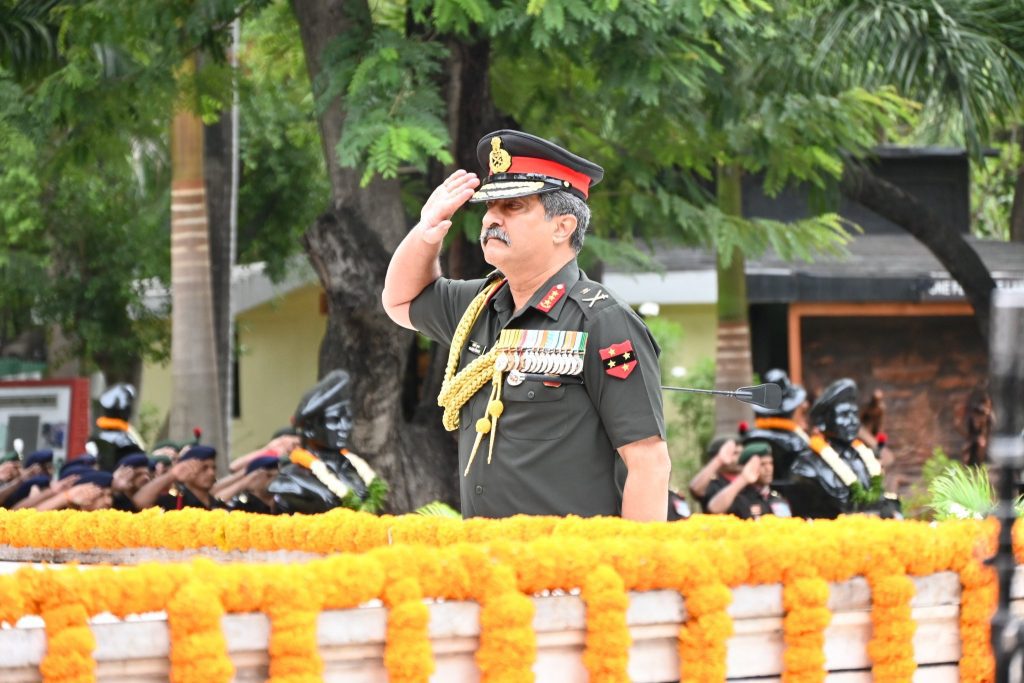
This gesture finds its place in age-old traditions. It acts as an assurance that the soldier is unarmed, and harmless, restoring trust in each other.
Salute in Indian Air Force
Furthermore, the variations in indian armed forces salutes among the Army, Air Force, and Navy represent the unique characteristics of each service.
Such ceremonial exchanges of indian armed forces salutes become a symbol of national pride.
The salute of Indian Air Force personnel is strikingly unique. While it does look similar initially, the difference is what catches the eye. The IAF personnel raise their right hand to the forehead and slightly tilt it at a 45-degree angle to salute. This distinctive angle does more than visually differentiate their salute; it embodies the ethos of the Air Force, symbolising their commitment to flying and excellence. The salute, therefore, serves as both a gesture of respect and a representation of their aerial aspirations.
In the Indian Army, the way soldiers perform their indian armed forces salutes is a vivid reminder of their calling.
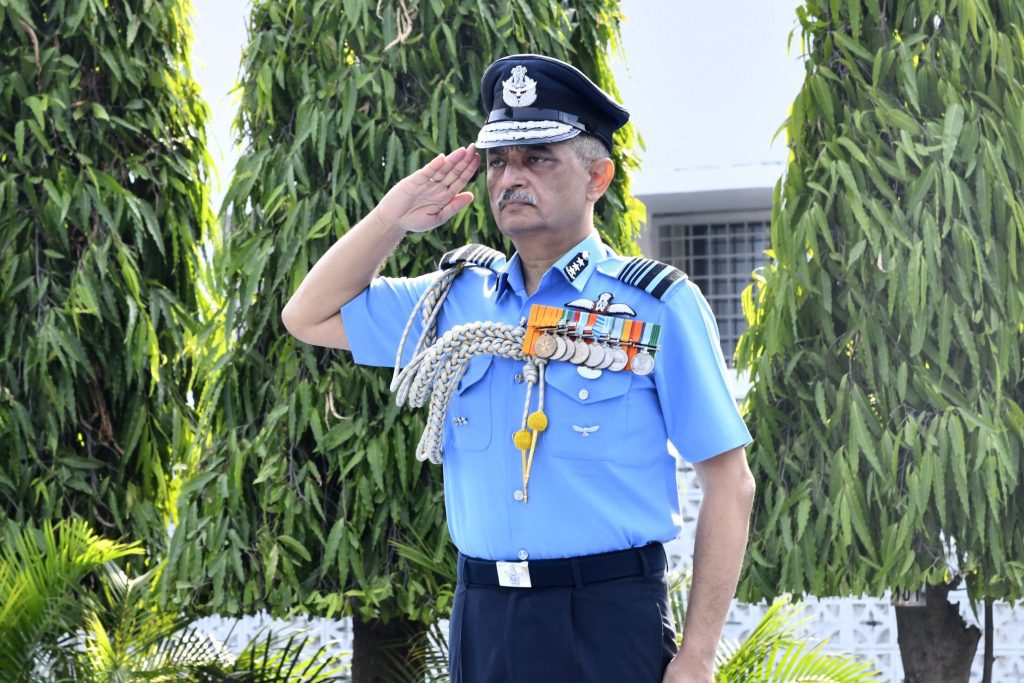
This reflects the ethos of IAF, that is, to touch the sky with glory and dominate the skies with honour. Hence, the salute also resembles the gesture of a plane taking off in everyday life.
Salute in Indian Navy
The distinctiveness of the Air Force’s indian armed forces salutes is a point of pride for its personnel.
The salute of the Indian Navy has the most interesting story behind it. Here too, the right hand is raised to the forehead; however, it is tilted at a 90-degree angle such that the palm faces downward. Long ago, sailors would work with engines and other naval machinery, which often left their hands dirty with oil or paint. Saluting with such an untidy palm would go down as disrespectful. Thus, this adaptation shows the Navy’s practical approach to maintaining dignity while acknowledging their unique working environment.
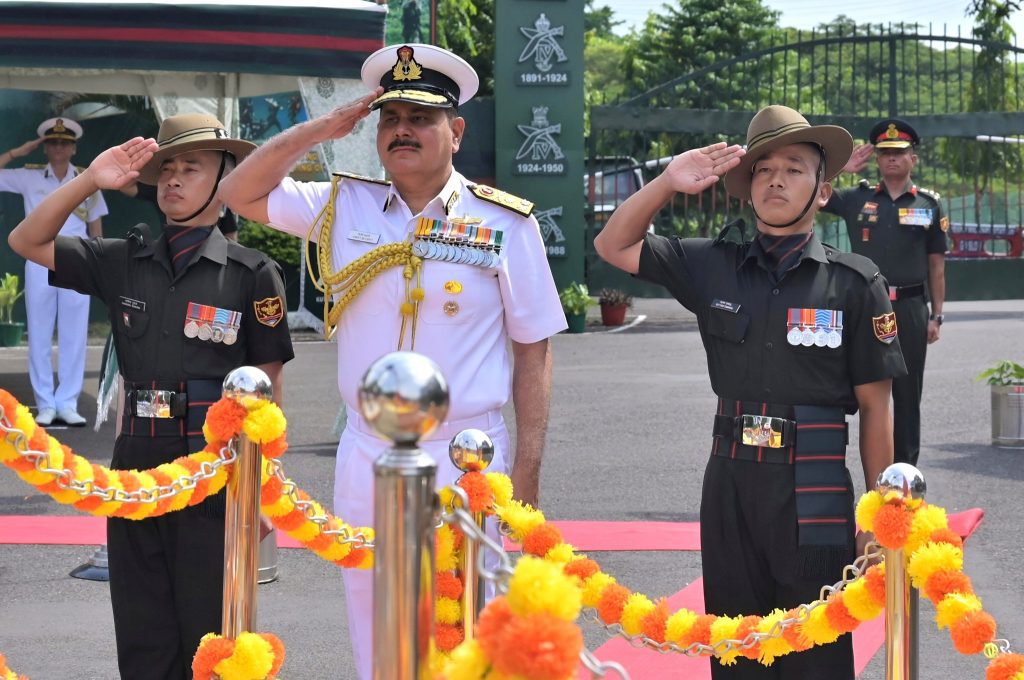
Long ago, sailors would work with engines and other naval machinery due to which their hands got dirty with oil or paint. It is understandable that saluting with such an untidy palm would go down as disrespectful. Hence, the gesture was adapted to the life in the Indian Navy.
The Navy’s adaptation of their indian armed forces salutes highlights their commitment to maintaining respect.
Final Thoughts
Despite being distinct in their own way, the salutes in armed forces of India carry similar values of discipline, respect, and loyalty. It is a practice based on tradition, which continues on parade grounds, drills, or formal gatherings. Each salute is responded to with another salute too, symbolising the mutual respect that they carry. Understanding these nuances helps one appreciate the depth of commitment that each personnel embodies. Ultimately, the tradition of saluting is a profound expression of the pride and honour in serving the nation, reinforcing the importance of the indian armed forces salutes.
Hence, the tradition of indian armed forces salutes encapsulates the spirit of camaraderie and service.