

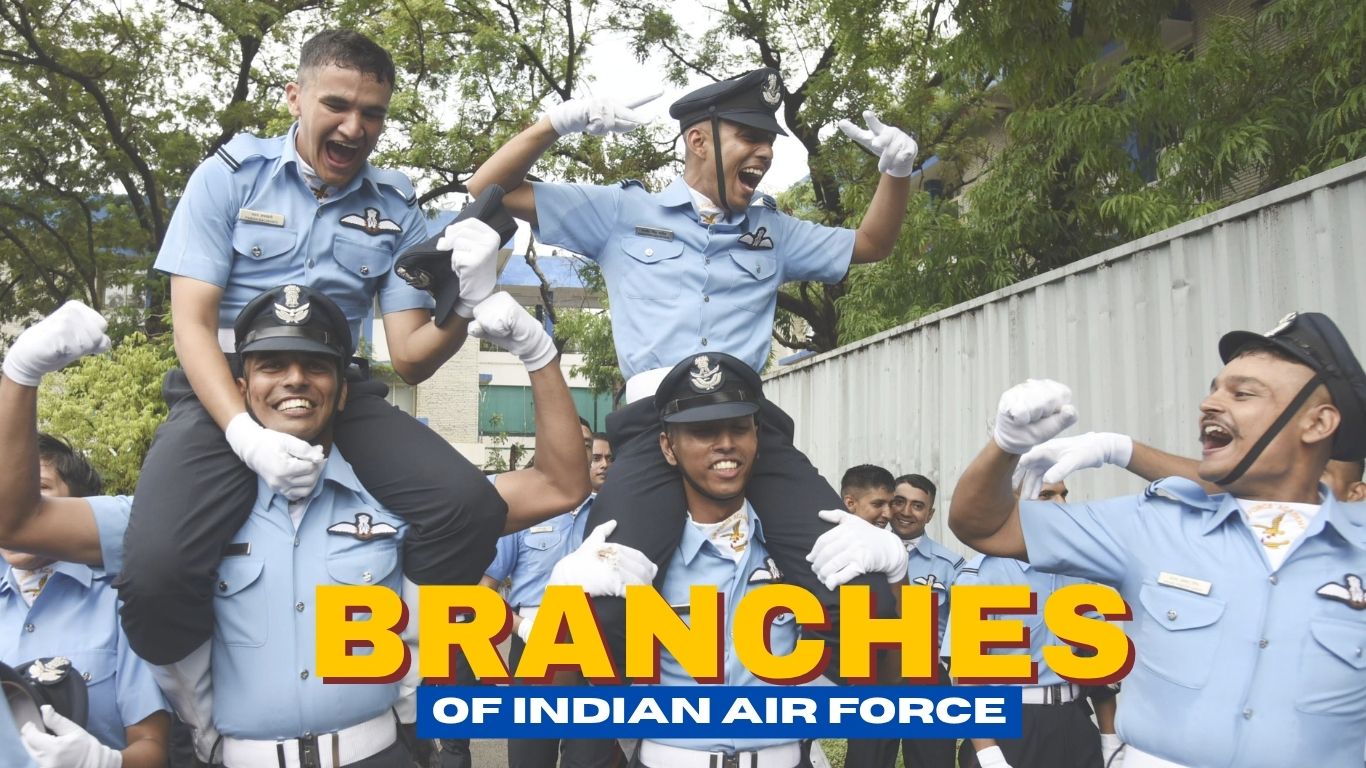
The Indian Air Force is one of the finest in the world. With its state-of-the-art equipment and technical exposure, several candidates aspire to join it. However, just like other organizations, these branches have different areas of specialization. Today, we tell you about all the branches of Indian Air Force that you must know for your SSB interview.
Branches of Indian Air Force: Meaning
Just like the Indian Army has its arms and services, the Indian Air Force comprises branches which specialize in a particular function. It performs specific duties and with such division of labour, they ensure that work done is smooth and efficient. The branches of Indian Air Force are of three kinds, namely:
- Flying branch
- Ground duty (technical) branch
- Ground duty (non-technical) branch
All candidates who clear the SSB interview, medicals, and final merit, train at the Air Force Academy, Dundigal. Here, they specialize in their branch. Each one performs a specific function and coordinates its efforts with that of others.
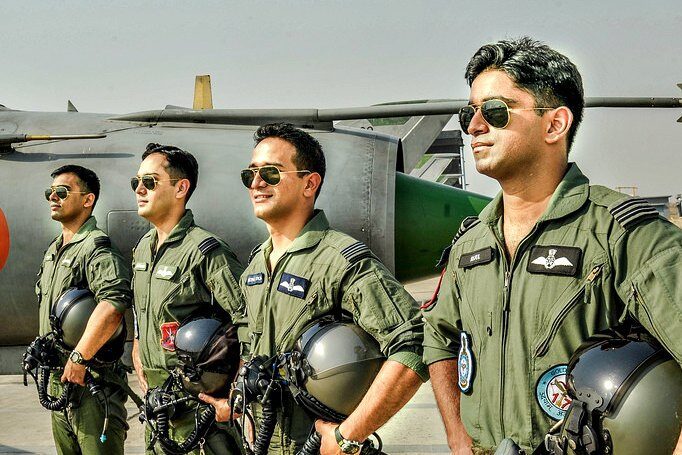
What are the Branches of Indian Air Force?
Now that we know the basics, let us delve into the branches of Indian Air Force (IAF) in detail.
Flying Branch
This IAF branch, as the name suggests, is responsible for flying an aircraft. Its officers are pilots of IAF and operate military aircraft in combat, reconnaissance, surveillance, transport, and rescue. You can join the flying branch in four ways:
- National Defence Academy (NDA) entry
- Combined Defence Services Examination (CDSE) entry
- Air Force Common Admission Test (AFCAT) entry
- NCC Special entry
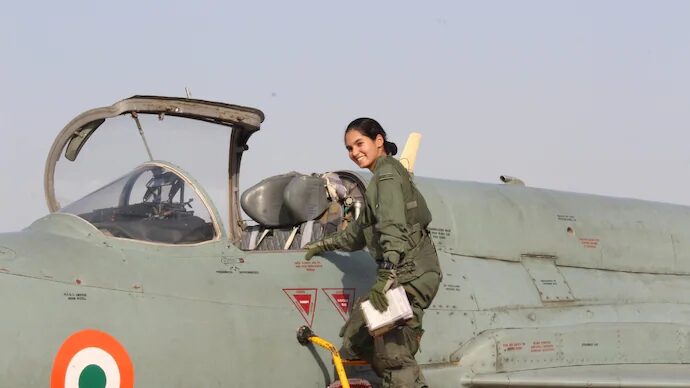
The flying branch of IAF has three streams:
- Fighter: Fly fighter aircraft such as HAL Tejas and Sukhoi Su-30 MKI, and carry out air-to-air combat and ground attacks.
- Transport: Fly transport aircraft like Boeing C-17 Globemaster III for airlift operations, disaster relief, or rapid deployment.
- Helicopter: Fly helicopters such as HAL Prachand during search and rescue, logistics et cetera.
Ground Duty (Technical) Branch
The technical branch is the second of the three branches of Indian Air Force, and is part of the ground duty. It ensures that all aircraft, communication systems, and radar are functioning properly. You can join the technical branch through:
- NDA entry
- AFCAT entry
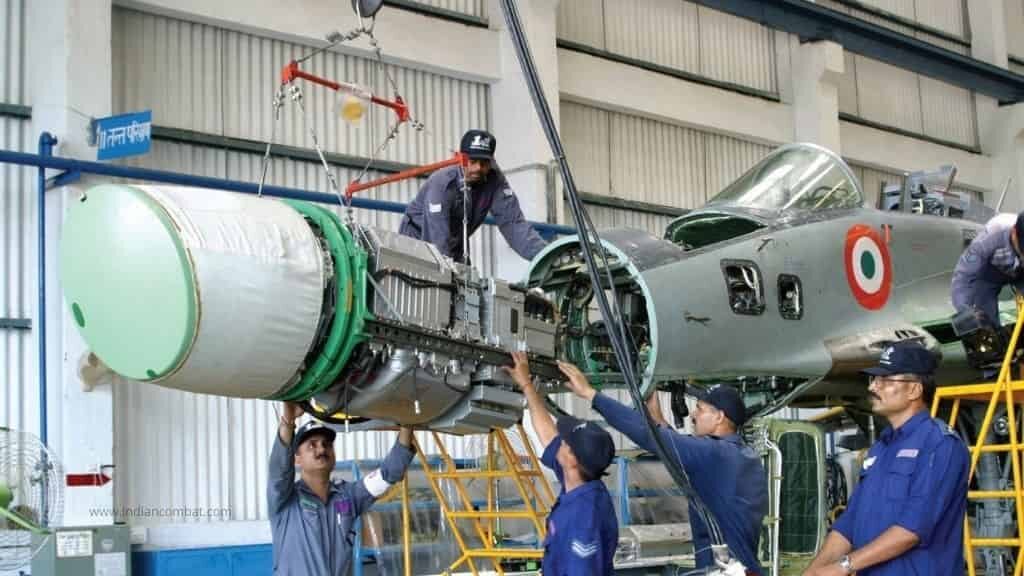
The technical IAF branch comprises two streams:
- Aeronautical Engineering (Mechanical): Works on engines, weapons systems, and aircraft.
- Aeronautical Engineering (Electrical): Focus on communication equipment, radars, and avionics.
Ground Duty (Non-Technical) Branch
This IAF branch is the most diverse and focuses on daily IAF operations that keep the organization running. These can also be joined through the NDA and CDS entries. The non-technical branch includes the following duties:
- Administration: Manages human resources and base facilities. It includes three more specializations, that is, air traffic controller, fighter controller, and pure administration.
- Logistics: Looks into inventory management, supplies to base unit, and procurement of spares, fuel, equipment, clothing, and rations.
- Weapon systems: Focus on advanced weapons systems of IAF for combat and has four functional streams, namely, flying stream, remote stream, missiles stream, and tactical integration stream.
- Accounts: Handles all financial planning, pay, and auditing for the organization and its personnel.
- Meteorology: Provides reliable weather forecasts for successful flights.
- Education: Responsible for training programs and education of personnel.
All the branches of Indian Air Force ensure that it functions smoothly. Each branch specializes in a particular function, and you, too, can select your preferred branch to become an air warrior!